
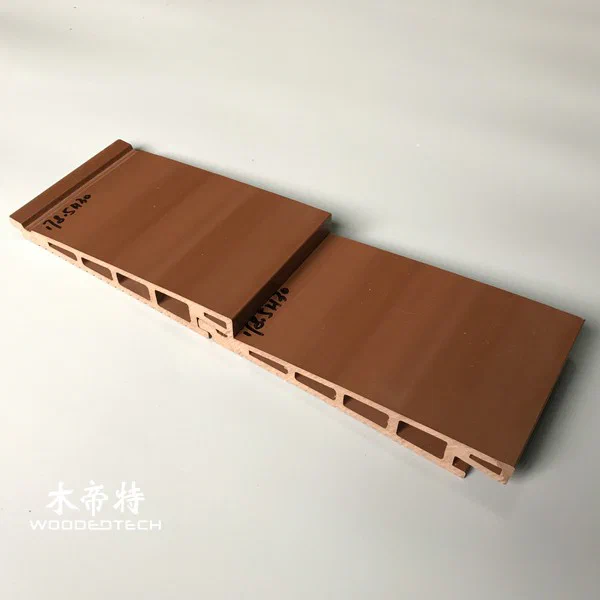
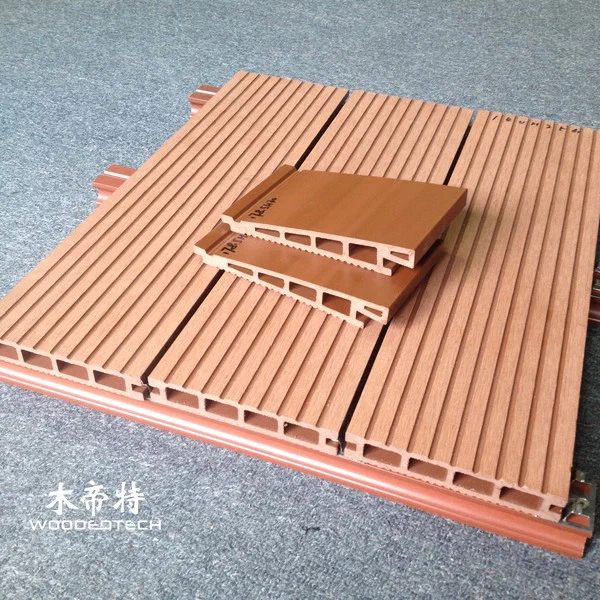
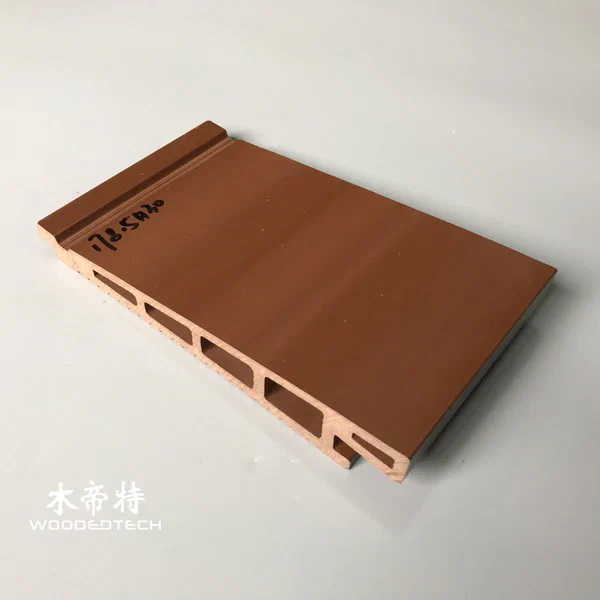
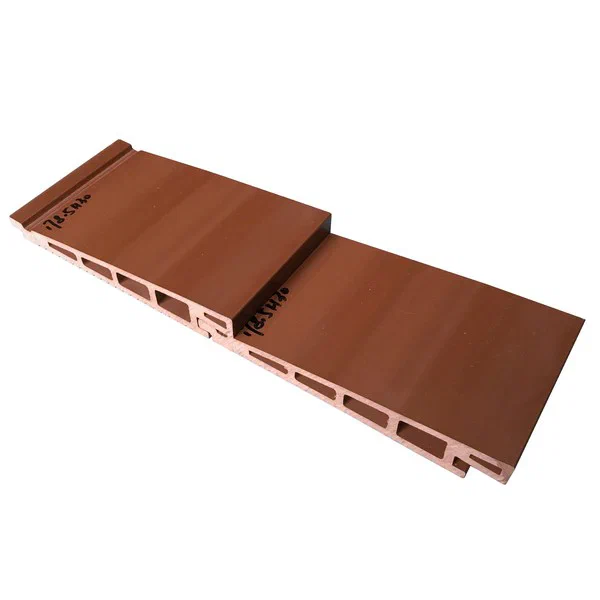
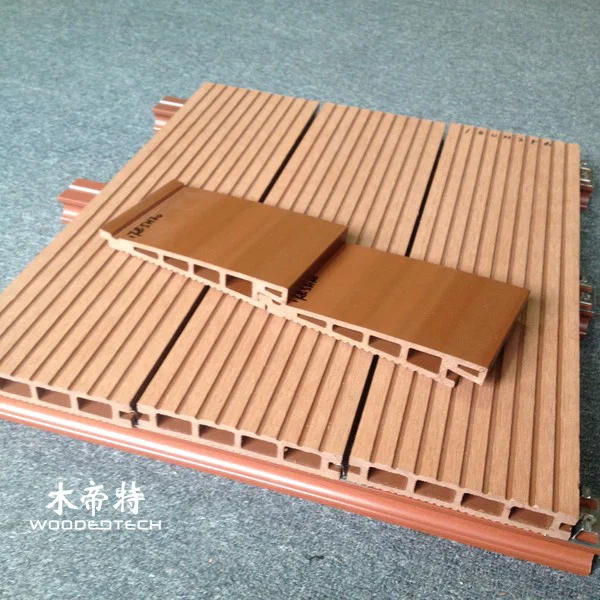
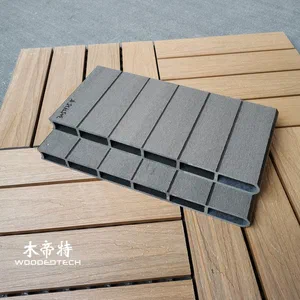
Q178.530 Slanted Stack WPC Cladding Panels for Better Moisture Resistance on Exterior Walls
Step-by-step WPC decking and slanted stack cladding installation guide for better drainage, clean fixing, and lasting exterior performance.
| Payment | T/T in advance. Customized order: T/T, 50% prepayment, 50% balance before loading. |
|---|---|
| Transaction Terms | FOB, CIF, EXW, etc. |
| Samples | <30cm: samples for free. >30cm: samples order (the sample fee can be deducted when placing a container order later). |
| Length | For 20GP container, max length is 5.8 meters (longest); mostly 2.2 / 2.4 / 2.9 / 3.0 / 4.0 meters (recommended) or customized. |
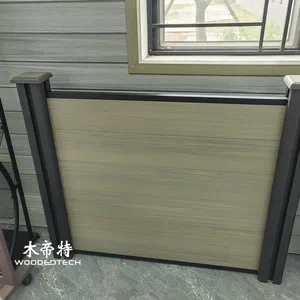
Q178.530 Slanted Stack WPC Cladding Panels for Better Moisture Resistance on Exterior Walls work best when they are installed with a clean, ventilated subframe and consistent fixing details. This guide shows how to install WPC decking and wall cladding correctly so the finished surface drains well, stays straight, and lasts longer outdoors.
Site Preparation and Subframe Setup
Start by checking the wall or deck base for level, dryness, and structural soundness. For exterior wall cladding, use a straight batten or metal subframe with enough spacing to support the panels evenly, and allow a ventilated cavity behind the cladding so trapped moisture can escape. For decking, the joist structure must be flat, securely anchored, and designed for outdoor loading before any boards are fixed.
Use corrosion-resistant fasteners and keep the frame aligned from the beginning. If the base is uneven, pack it properly instead of forcing the panels to follow the irregular surface. Good framing is the difference between a neat installation and one that shifts, creaks, or holds water.
Cutting, Gaps, and Panel Layout
Measure the full run before cutting, and always dry-fit the first rows. Use a fine-tooth blade for clean cuts on WPC boards and panels, and cut slowly to avoid chipping the surface. Seal or tidy exposed cut ends where needed, especially around visible edges and openings.
Leave expansion gaps at panel ends, corners, and joins because WPC moves slightly with temperature. The exact gap depends on the product and climate, but the rule is simple: never install boards tightly together. On slanted stack cladding, keep the overlap consistent so rainwater sheds downward instead of running into the joints.
Fixing Methods for Decking and Cladding
For decking, fix the boards to the joists with the recommended clips or screws, depending on the system. Hidden clips give a cleaner finish and help maintain even spacing, while face fixing may be used at perimeter points or where the profile requires it. Do not over-tighten screws, because that can stress the board and reduce movement tolerance.
For wall cladding, install the first panel perfectly level, then work upward or across the wall in a steady pattern. The slanted stack profile should lock into place without forcing. Use the specified clips, screws, or concealed fixing system, and check alignment after every few rows so the shadow lines stay uniform.
Final Checks and Maintenance
After installation, inspect all edges, joints, and transition points around windows, corners, and trims. Make sure there are no blocked drainage paths and that the cavity behind the cladding remains open for airflow. On decking, confirm that board ends are supported and that the surface drains away from the building.
Maintenance is simple: wash the surface with mild soap and water, remove leaves or dirt that can trap moisture, and check fixings periodically. Avoid harsh solvents and high-pressure spraying too close to the surface. With correct installation and light upkeep, WPC decking and slanted stack cladding will keep their appearance and weather resistance for years.
FAQ
Q: Do WPC cladding panels need a ventilation gap behind them? A: Yes, a ventilated cavity helps moisture escape and improves long-term performance. It is especially important on exterior walls exposed to rain and humidity.
Q: Can I install WPC decking with standard wood screws? A: Use the fasteners recommended for the specific board system. Standard screws may work in some cases, but concealed clips or corrosion-resistant fixings usually give better results outdoors.
Q: How much expansion gap should I leave? A: Follow the product data sheet for the exact measurement, since it changes by profile and climate. As a general rule, leave space at ends, corners, and fixed points so the material can move safely.
Related Products
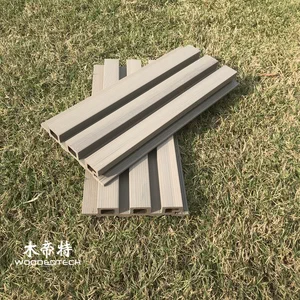 Fresh Antique Wood 2nd Gen Co-Extrusion GQ13523 | Premium 3d wpc wall cladding for Outdoor Use
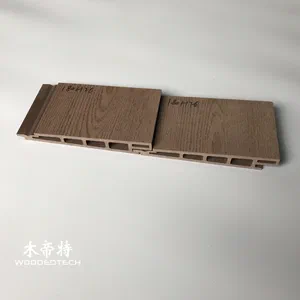 Classic Outdoor WPC Wall Panel Q18026 | Authentic Sanded Wood Grain Texture
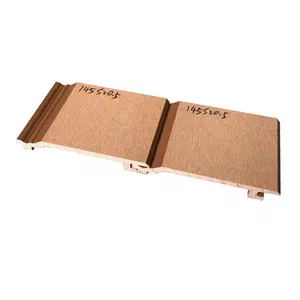 Q14520.5 Teak Color Classic WPC Wall Cladding with Optional Wood Grain Surface Design
 Q30525.4 Extra Wide 300mm Wood Cladding for Exterior Walls with Modern Outdoor Design
Related Articles

Get a Free Quote
Interested in Q178.530 Slanted Stack WPC Cladding Panels for Better Moisture Resistance on Exterior Walls? Fill in the form and we will reply within 24 hours.