


Q14921.5 plastic wood wall panels with double layer structure offer stronger deformation resistance and long lasting outdoor performance
Learn how WPC profile design, ribs, hollow sections, and surface patterns affect strength, cost, weight, and installation performance.
| Payment | T/T in advance. Customized order: T/T, 50% prepayment, 50% balance before loading. |
|---|---|
| Transaction Terms | FOB, CIF, EXW, etc. |
| Samples | <30cm: samples for free. >30cm: samples order (the sample fee can be deducted when placing a container order later). |
| Length | For 20GP container, max length is 5.8 meters (longest); mostly 2.2 / 2.4 / 2.9 / 3.0 / 4.0 meters (recommended) or customized. |
Q14921.5 plastic wood wall panels with double layer structure are designed for better deformation resistance, stable outdoor performance, and easier installation. For WPC extrusion mold design, the profile geometry matters as much as the raw material blend. Hollow sections, solid sections, rib layouts, and surface texture all change how the panel performs in strength, weight, cost, and on-site handling.
How profile design affects performance
A wall panel profile is not just a shape; it is the structure that carries load and controls dimensional stability. With double layer construction, the outer skin improves appearance and weather exposure, while the inner layer helps balance stiffness and reduces warping under heat and moisture changes. This is why a well-designed wpc wall panel can stay straighter and more reliable in exterior use.
Hollow profiles are often chosen when weight reduction and material savings matter. They use less compound, lower transport cost, and are easier to handle during installation. Solid profiles, on the other hand, offer higher impact resistance and a stronger feel, but they increase resin and filler usage, which raises cost and adds weight. The right choice depends on whether the project prioritizes economy, rigidity, or long-term outdoor durability.
Rib design and structural balance
Internal ribs are the key to making a lightweight panel perform like a heavier one. Properly placed ribs improve bending resistance, support fastener zones, and reduce collapse risk during fixing. Too few ribs can make the profile soft and unstable; too many can complicate extrusion, slow cooling, and increase mold sensitivity.
For double layer plastic wood wall panels, the rib pattern should support both layers without trapping heat or creating shrink marks. In mold design, even wall thickness, smooth transitions, and balanced flow are essential. This helps prevent deformation, improves surface flatness, and keeps the panel easy to align during wall cladding installation.
Surface patterns and installation behavior
Surface design also influences function. Wood grain, 3D embossed textures, and fluted patterns improve appearance, but they also affect scratch resistance, slip behavior, and how clearly the panel shows minor defects. Deeper patterns can hide wear and color variation better, which is useful for outdoor facades. Smoother surfaces are easier to clean, but they may show marks more quickly.
Installation performance depends on profile precision. Consistent clip channels, stable locking edges, and accurate dimensions reduce labor time and avoid gaps. When the panel profile is well controlled, installers spend less time adjusting boards, and the final wall looks cleaner and more uniform.
Cost and durability trade-offs
In WPC manufacturing, the best design is rarely the thickest one. A smart profile uses material only where it improves performance. Hollow and ribbed designs lower cost and weight, while solid zones can be added locally for screw holding or impact resistance. This is the practical advantage of custom extrusion: the mold can be tuned to match real project needs instead of using one generic profile for every application.
Q14921.5 plastic wood wall panels with double layer structure are a good example of this balance. They combine outdoor durability, controlled deformation resistance, and efficient installation without unnecessary material waste.
FAQ
Q: Why do double layer WPC wall panels resist deformation better? A: The layered structure distributes stress more evenly and improves panel stiffness. It also helps reduce warping caused by temperature and moisture changes.
Q: Are hollow WPC wall panels weaker than solid ones? A: Not always. A well-designed hollow panel with proper ribs can provide strong performance at a lower weight and cost. Solid panels are stronger in impact-heavy applications, but they are heavier and use more material.
Q: What surface finish is best for outdoor wall panels? A: Wood grain and embossed textures are popular because they look natural and hide wear well. The best choice depends on the project’s appearance requirements and maintenance expectations.
Related Products
 Q17618 wpc wall panel outdoor with flat sanding surface delivers a simple natural appearance for modern exterior designs
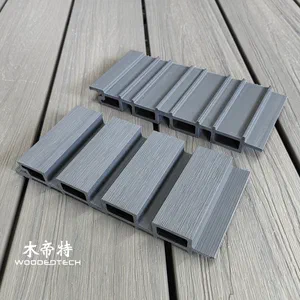 In-Stock 3m Light Gray wpc wall panel GQ22725 | Durable Fluted Cladding for Coastal & Seaside Projects
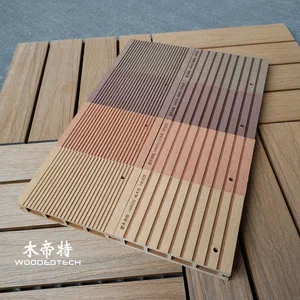 D14025-3 Ebony Color: Understated, Suitable for Subtle and Sophisticated Spaces
 L12070 wpc pergola beams are suitable for creating various outdoor pergola styles with flexible structural applications
Related Articles
Get a Free Quote
Interested in Q14921.5 plastic wood wall panels with double layer structure offer stronger deformation resistance and long lasting outdoor performance? Fill in the form and we will reply within 24 hours.