


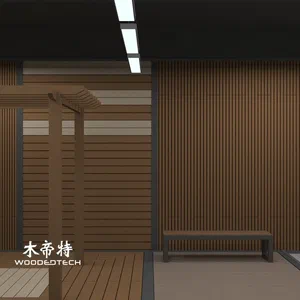
Q14520.5 wpc cladding outdoor with single layer structure provides a cost effective solution for exterior wall decoration
Learn how to design cost-effective outdoor WPC cladding formulas with the right balance of fiber, plastic, additives, and service life.
| Payment | T/T in advance. Customized order: T/T, 50% prepayment, 50% balance before loading. |
|---|---|
| Transaction Terms | FOB, CIF, EXW, etc. |
| Samples | <30cm: samples for free. >30cm: samples order (the sample fee can be deducted when placing a container order later). |
| Length | For 20GP container, max length is 5.8 meters (longest); mostly 2.2 / 2.4 / 2.9 / 3.0 / 4.0 meters (recommended) or customized. |
Q14520.5 wpc cladding outdoor with single layer structure is designed for exterior wall decoration where cost control, stable performance, and clean appearance all matter. For projects that need a practical façade solution, the right formula can deliver weather resistance, low maintenance, and reliable service life without overcomplicating production.
Formula design starts with the application
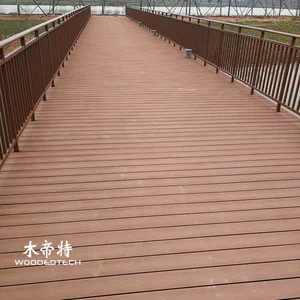
Outdoor WPC is not a one-formula-fits-all material. Decking needs stronger wear resistance and slip safety, wall cladding needs dimensional stability and color retention, fencing and pergolas need better stiffness, while landscape products often need a balance of strength and cost efficiency. For Q14520.5 style single-layer cladding, the goal is usually a stable profile with an attractive surface and controlled raw material cost.
A typical design begins with the right resin and fiber ratio. Higher wood content can improve natural appearance and reduce cost, but too much fiber raises water absorption and can weaken long-term weathering resistance. Higher plastic content improves moisture resistance and processing stability, yet it may increase material cost and reduce the wood-like feel buyers expect. For exterior wall cladding, a balanced formulation usually performs better than a wood-heavy recipe.
Balancing wood fiber, plastic, and additives
Wood fiber is the backbone of the profile, but it must be treated as a performance variable, not just a filler. Fine, well-dried fiber supports smoother extrusion and better surface quality. If the fiber loading is pushed too high, the board may become brittle, harder to process, and more sensitive to shrinkage.
Plastic content should support the target product class:
- Higher PE or PP content for moisture resistance and extrusion stability
- Enough polymer to lock the fibers and protect against cracking
- Not so much that the formula loses cost advantage
Additives are where a good formula becomes a marketable product. Coupling agents improve bonding between wood and plastic. Lubricants help extrusion and surface finish. UV stabilizers, antioxidants, and pigments protect outdoor color stability. For cladding, a modest anti-fungal and anti-aging package can extend service life without making the product too expensive.
Why single-layer cladding can be cost effective
A single-layer structure reduces production complexity, lowers tooling and co-extrusion investment, and simplifies quality control. When the wall panel is designed for exterior decoration rather than heavy structural loading, a well-tuned single layer can offer a strong cost-performance ratio.
This approach works best when:
- The profile thickness is optimized for stiffness
- The formula is stable enough to avoid warping
- Surface texture is chosen to hide minor weathering and processing marks
- Color masterbatch is selected for outdoor fade resistance
For wall cladding, the buyer often values appearance, installation efficiency, and predictable lifetime more than extreme load capacity. That is where single-layer WPC makes commercial sense.
Designing for lifespan and market position
Product lifespan depends on formula quality, not just the marketing claim. Good exterior WPC should resist moisture cycling, heat distortion, UV fading, and surface chalking. Decking formulas may need a tougher wear package, while cladding can prioritize weatherability and dimensional stability. Fencing and pergolas often need a stiffer profile and better impact resistance.
The best development strategy is to match raw material use to the target price band. A premium formula may use more polymer and stronger stabilizers. A value-oriented formula for exterior wall decoration should keep fiber loading efficient, minimize unnecessary additives, and preserve a clean architectural look. That is how Q14520.5 single layer cladding can stay competitive in real projects.
FAQ
Q: What is the main advantage of a single-layer WPC cladding formula? A: It simplifies production and reduces cost while still delivering good outdoor appearance and weather resistance. It is a practical choice for exterior wall decoration.
Q: How do you choose the right wood fiber content? A: Use enough fiber to control cost and create a natural look, but not so much that moisture resistance and dimensional stability drop. The ideal level depends on the product’s end use.
Q: Can the same WPC formula be used for decking and cladding? A: Not usually. Decking, cladding, fencing, and pergolas need different balances of strength, wear resistance, stiffness, and weathering performance.
Related Products
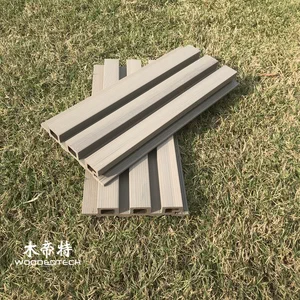 Fresh Antique Wood 2nd Gen Co-Extrusion GQ13523 | Premium 3d wpc wall cladding for Outdoor Use
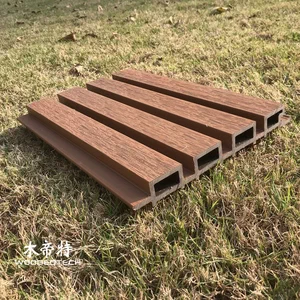 Waterproof & Maintenance-Free plastic wood effect cladding GQ22725 | Anti-Rot Outdoor WPC Panel
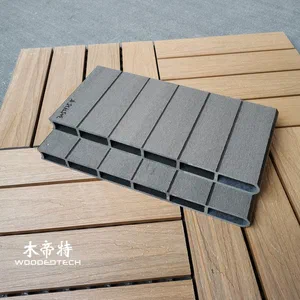 Q30525.4 Extra Wide 300mm Wood Cladding for Exterior Walls with Modern Outdoor Design
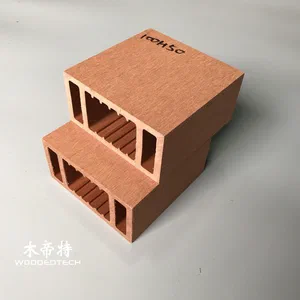 Commercial-Grade Polymer Wood Composite Grilles L10050 for Railing Handrails and Architectural Grating
Related Articles
Get a Free Quote
Interested in Q14520.5 wpc cladding outdoor with single layer structure provides a cost effective solution for exterior wall decoration? Fill in the form and we will reply within 24 hours.