


GQ21728wpc fluted wall panel with trapezoid large Great Wall design provides impressive exterior architectural style
Learn how WPC profile geometry, hollow and solid structures, ribs, and surface patterns shape exterior wall panel strength, weight, cost, and installation.
| Payment | T/T in advance. Customized order: T/T, 50% prepayment, 50% balance before loading. |
|---|---|
| Transaction Terms | FOB, CIF, EXW, etc. |
| Samples | <30cm: samples for free. >30cm: samples order (the sample fee can be deducted when placing a container order later). |
| Length | For 20GP container, max length is 5.8 meters (longest); mostly 2.2 / 2.4 / 2.9 / 3.0 / 4.0 meters (recommended) or customized. |
GQ21728wpc fluted wall panel with trapezoid large Great Wall design provides impressive exterior architectural style is a good example of how profile engineering shapes both appearance and performance. For exterior projects, the panel’s section geometry, cavity layout, rib support, and surface pattern all affect strength, weight, material usage, and how easily installers can handle it on site.
How profile design changes performance
In WPC extrusion mold design, the profile is not just a shape; it is the structure that carries load and controls stability. A fluted wall panel with a trapezoid Great Wall pattern creates depth and shadow, but it also helps the section resist bending better than a flat sheet of the same thickness.
The profile needs enough wall thickness to stay stable under heat, wind, and fastener pressure. If the geometry is too thin, the panel may deform during extrusion, handling, or outdoor service. If it is overdesigned, material cost rises without adding much value.
Hollow structure, solid structure, and rib layout
Hollow WPC panels are often preferred for façade and wall cladding because they reduce weight and lower resin and fiber consumption. They are easier to lift, transport, and install on high walls, especially on large exterior projects where labor efficiency matters.
Solid structures provide higher impact resistance and a heavier feel, which can be useful in lower-wall or high-abuse areas. The tradeoff is clear: more weight, higher material usage, and more demanding installation. For most architectural cladding, a properly ribbed hollow design gives the best balance.
Ribs are the hidden backbone of the profile. Well-placed internal ribs:
- improve stiffness without making the panel too heavy
- reduce warping and local collapse
- support screw holding and clip performance
- help the panel keep its shape during temperature changes
Why the surface pattern matters
The trapezoid large Great Wall surface is more than decoration. Deep grooves and stepped faces increase visual texture, hide minor scratches, and create a premium exterior look. They also influence mold release and cooling, so the pattern must be designed for stable extrusion and clean demolding.
A stronger surface design can improve the perceived quality of the whole façade, but it should not make cleaning difficult or trap too much dust. For exterior architecture, the best pattern is one that looks bold while still being practical in real weather conditions.
Installation and cost considerations
Installation performance depends on weight, straightness, and fastening consistency. A lighter hollow panel with accurate rib support is faster to align and fix, especially on long wall runs. That reduces labor time and lowers project cost.
From a factory point of view, the right profile also improves yield and reduces scrap. A smart mold design uses material only where it contributes to performance, which is why profile engineering is central to both product quality and commercial competitiveness.
FAQ
Q: Why are hollow WPC wall panels often used for exterior cladding? A: They are lighter, easier to install, and use less material than solid panels. With proper rib design, they still deliver good stiffness and weather performance.
Q: What is the main advantage of a trapezoid Great Wall surface design? A: It creates a stronger architectural appearance with deeper shadow lines. It also helps mask minor surface wear and adds visual value to the façade.
Q: How do ribs affect WPC panel quality? A: Ribs increase stiffness and help prevent deformation without greatly increasing weight. They are essential for keeping hollow profiles stable in outdoor use.
Related Products
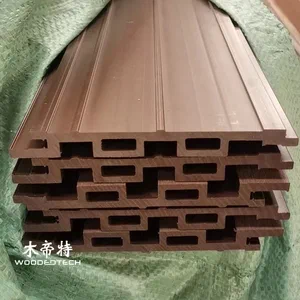 Q18620 Classic WPC Fluted Wall Panel for Stylish Exterior Wall Decoration Projects
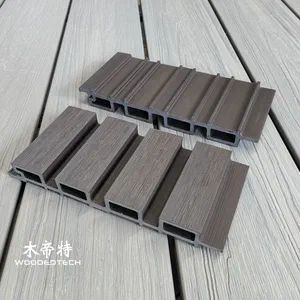 Direct from wpc wall panel factory | Luxury Walnut Deep Fluted GQ22725 for Stunning Light Effects
 GQ13523wpc board wall paneling with antique wood color narrow grille design delivers elegant outdoor wall appearance
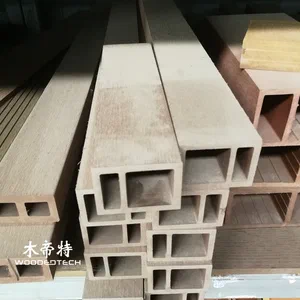 4-Side Flat Wood Plastic Composite Grilles L7050 with Realistic Timber Effect
Related Articles
Get a Free Quote
Interested in GQ21728wpc fluted wall panel with trapezoid large Great Wall design provides impressive exterior architectural style? Fill in the form and we will reply within 24 hours.