


L200200 wpc pergola columns with extra large size and thick wall hollow structure provide strong support for outdoor pergola projects
Learn how WPC column profile, hollow structure, ribs, and surface finish affect strength, weight, cost, and pergola installation.
| Payment | T/T in advance. Customized order: T/T, 50% prepayment, 50% balance before loading. |
|---|---|
| Transaction Terms | FOB, CIF, EXW, etc. |
| Samples | <30cm: samples for free. >30cm: samples order (the sample fee can be deducted when placing a container order later). |
| Length | For 20GP container, max length is 5.8 meters (longest); mostly 2.2 / 2.4 / 2.9 / 3.0 / 4.0 meters (recommended) or customized. |
L200200 WPC pergola columns are designed for outdoor structures that need dependable support, stable dimensions, and practical installation. For large pergola projects, an extra-large profile with a thick-wall hollow structure offers a strong balance of load-bearing performance, lower weight, and better material efficiency.
Why profile design matters in pergola columns
In WPC extrusion mold design, the profile shape determines how the column performs in real use. A 200x200 mm section gives a large bearing area, which helps the column resist bending and creates a more solid visual presence for commercial and residential pergolas.
For outdoor pergola framing, the design must also support post caps, base plates, hidden fasteners, and internal reinforcement when required. A clean profile with controlled wall thickness improves extrusion stability, reduces deformation risk, and makes alignment easier during on-site assembly.
Hollow structure, solid structure, and wall thickness
Hollow columns are often preferred for large WPC pergola applications because they reduce weight without sacrificing too much stiffness. With a thick-wall hollow structure, the column can better handle wind load, roof frame weight, and long-span support conditions than a thin-wall profile.
Solid structures are stronger in pure mass, but they increase resin use, shipping weight, and handling difficulty. They also raise cost and can make installation slower. For many pergola projects, a well-engineered hollow column with reinforced walls provides the better overall solution.
Key differences:
- Hollow structure: lighter, more economical, easier to move and install
- Solid structure: heavier, higher material consumption, better for special high-load cases
- Thick wall: improves rigidity, fastener holding, and impact resistance
Rib design and internal reinforcement
Ribs are one of the most important details in WPC extrusion mold design. Proper internal ribs increase section modulus, reduce wall collapse, and help the column keep its shape under load and temperature changes. They also improve screw grip and reduce the chance of local buckling around fixing points.
For L200200 pergola columns, rib layout should be balanced so the profile remains stable during extrusion and cooling. Too few ribs weaken the section; too many ribs raise cost and may create uneven shrinkage. The goal is a structure that performs well structurally while staying practical for production.
Surface patterns and installation performance
Surface pattern is not only about appearance. Smooth, wood grain, or lightly textured finishes can improve scratch resistance, hide minor marks, and better match pergola beams and cladding systems. A consistent surface also helps with cutting, drilling, and fitting on site because installers can mark and align the profile more easily.
For outdoor pergola projects, surface quality affects the final impression as much as strength does. A well-finished column pairs better with WPC beams, louvers, and decorative screens, creating a cleaner architectural result.
Cost and project efficiency
Large WPC columns must balance performance and manufacturing cost. Extra wall thickness, internal ribs, and stable surface treatment all improve durability, but each design choice affects extrusion speed, cooling time, and material usage. The right mold design reduces waste, supports consistent dimensions, and helps contractors complete installation with fewer adjustments.
FAQ
Q: Why choose a hollow WPC pergola column instead of a solid one? A: A hollow column is lighter and easier to install while still providing strong support when the wall thickness and rib design are properly engineered.
Q: What makes an L200200 column suitable for outdoor pergolas? A: Its extra-large cross section gives strong visual presence and better load-bearing capacity for larger pergola frames and roof structures.
Q: Do surface patterns affect performance or only appearance? A: They affect both. Surface texture improves the look of the column and can also help with scratch resistance and easier maintenance.
Related Products
 L12070 wpc pergola beams are suitable for creating various outdoor pergola styles with flexible structural applications
 wpc panel size L120120-2 square posts with round inner holes offer a unique design solution for outdoor pergola construction
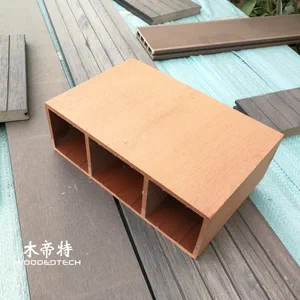 L300100 Extra Large 300mm Wide WPC Pergola Material for Strong Outdoor Beam Structures
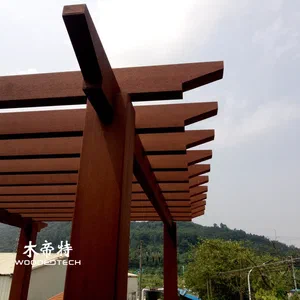 WPC Pergola: Perfect Addition for Outdoor Garden and Landscape Decoration
Related Articles
Get a Free Quote
Interested in L200200 wpc pergola columns with extra large size and thick wall hollow structure provide strong support for outdoor pergola projects? Fill in the form and we will reply within 24 hours.