
L16080 Wood Plastic Composite Beams for Pergola and Gazebo Structural Applications
Learn how WPC beam design choices affect strength, weight, cost, and installation in pergola and gazebo structural applications.
| Payment | T/T in advance. Customized order: T/T, 50% prepayment, 50% balance before loading. |
|---|---|
| Transaction Terms | FOB, CIF, EXW, etc. |
| Samples | <30cm: samples for free. >30cm: samples order (the sample fee can be deducted when placing a container order later). |
| Length | For 20GP container, max length is 5.8 meters (longest); mostly 2.2 / 2.4 / 2.9 / 3.0 / 4.0 meters (recommended) or customized. |
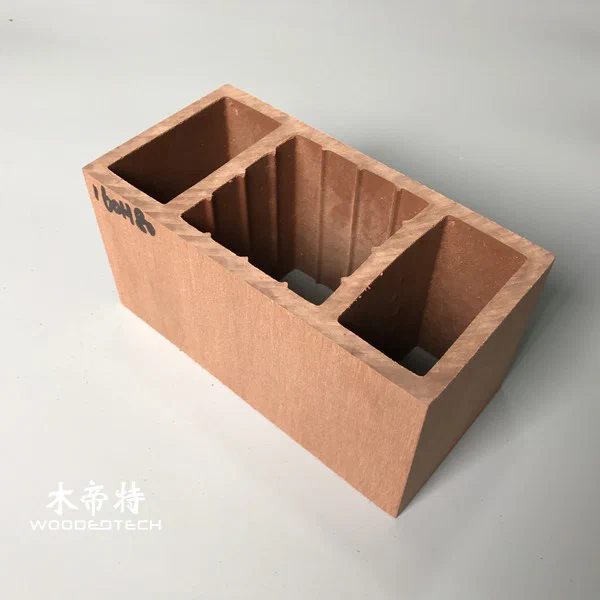
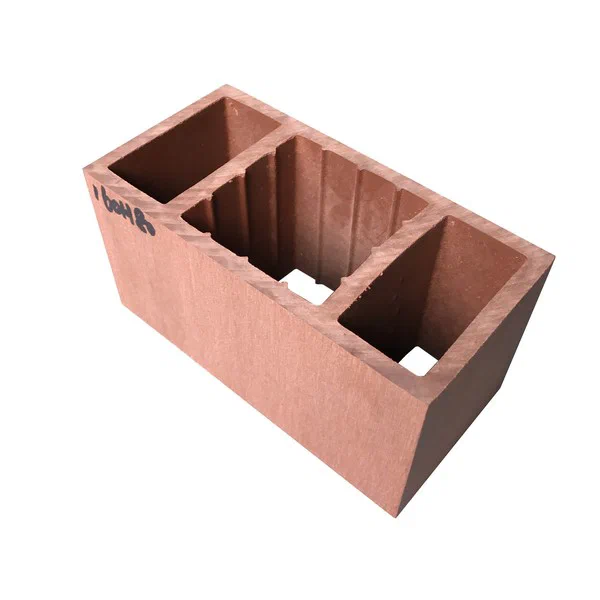
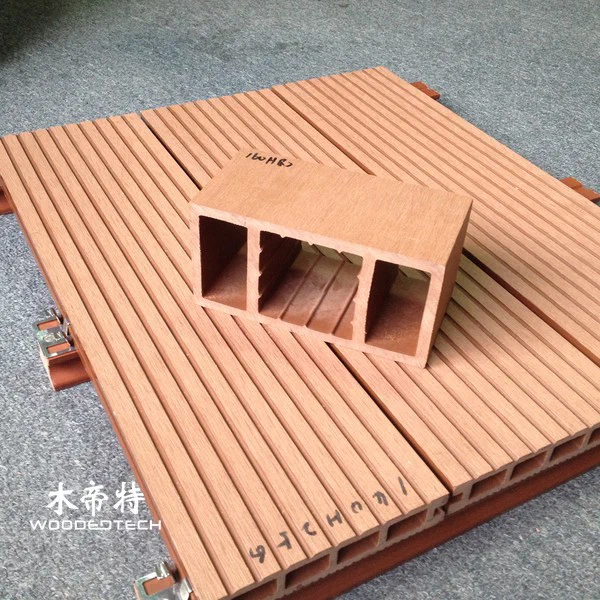
L16080 Wood Plastic Composite beams for pergola and gazebo structural applications are designed to balance strength, weight, cost, and easy installation. The profile you choose, hollow or solid, plus rib layout and surface treatment, has a direct impact on performance in outdoor framing.
Why profile design matters for structural beams
For a beam like L16080, the cross-section is not just a shape; it is the main driver of load capacity and material efficiency. A wider section improves bending resistance, while smarter geometry can deliver the needed stiffness without making the beam overly heavy or expensive. In pergolas and gazebos, that balance matters because installers need parts that are strong enough for spans, yet practical to handle on site.
Hollow vs solid structures
Hollow beams are often the first choice when the goal is lower weight and better cost control. Removing unnecessary material reduces resin and fiber usage, which helps pricing and makes lifting, cutting, and fastening easier during installation. Hollow designs also improve transport efficiency, especially for bulk export orders.
Solid structures, by contrast, are used where higher impact resistance, better screw holding, or a more substantial feel is required. They are heavier and usually more costly, but they can simplify certain connections and reduce the risk of deformation in demanding applications. For pergola and gazebo frames, the right answer depends on span length, load expectations, and whether the beam is decorative or load-bearing.
Rib design and internal reinforcement
Ribs inside the profile are one of the most effective ways to increase stiffness without turning a hollow beam into a solid one. Properly placed ribs reduce wall flexing, improve compression stability, and help the section keep its shape under heat and outdoor stress. They also support more reliable extrusion, because the profile can be engineered to cool evenly and maintain dimensional consistency.
Too few ribs can leave the profile soft or unstable. Too many ribs may raise tooling complexity, slow production, and make cleaning or fastening more difficult. A well-designed L16080 profile uses ribs only where they add real structural value.
Surface patterns and installation performance
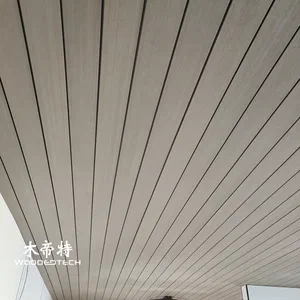
Surface pattern does more than affect appearance. A wood-grain or embossed finish can improve scratch masking and give the beam a more natural architectural look, which is important for open-air pergola systems. A controlled texture can also help reduce visible minor defects from handling and installation.
For installers, the key is consistency. A stable surface finish helps with alignment, marking, drilling, and connection to brackets or caps. When the profile has uniform wall thickness and clean corners, it installs faster and produces a neater final structure.
Choosing the right L16080 beam configuration
The best L16080 beam design depends on the project brief:
- Hollow profile for lighter weight and lower shipping cost
- Solid profile for higher load tolerance and stronger fixing performance
- Ribbed hollow profile for the best balance of stiffness and economy
- Textured surface for premium appearance and better damage masking
For pergola and gazebo structural use, the most efficient design is usually the one that achieves required strength with the least material waste. That is where careful WPC extrusion mold engineering makes the difference.
FAQ
Q: Is a hollow WPC beam strong enough for pergola use? A: Yes, if the profile is engineered with the right wall thickness and rib structure. Many pergola systems use hollow beams successfully because they offer a strong-to-weight advantage.
Q: When should a solid WPC beam be chosen instead? A: Solid beams are better when the design needs higher screw holding, added impact resistance, or a more rigid feel. They are often used for shorter spans or premium structural details.
Q: Do surface patterns affect beam performance? A: They mainly affect appearance and handling, but a good texture can also help hide minor marks and improve the overall finish. The structural strength still depends mostly on the internal profile design.
Related Products
 L300100 Extra Large 300mm Wide WPC Pergola Material for Strong Outdoor Beam Structures
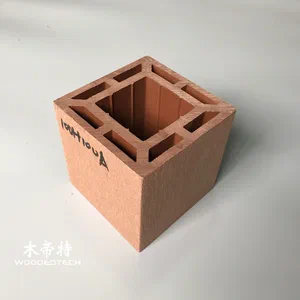 L100100 Four Sided Flat Wood Plastic Composite Profiles for Durable Fence Posts
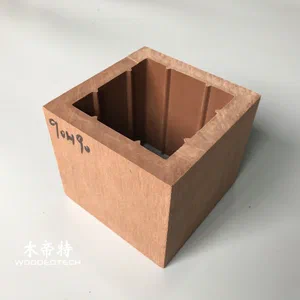 L9090 Hollow Four Sided Flat WPC Posts from Professional Composite Material Manufacturer
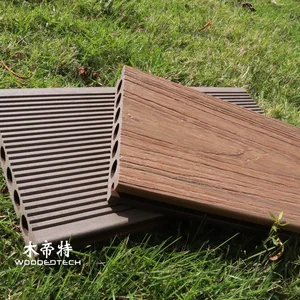 GD14023 capped wpc decking with semi wrapped design round holes and excellent surface texture creates attractive lighting effects at night
Related Articles
Get a Free Quote
Interested in L16080 Wood Plastic Composite Beams for Pergola and Gazebo Structural Applications? Fill in the form and we will reply within 24 hours.