


L12070 wpc pergola beams are suitable for creating various outdoor pergola styles with flexible structural applications
Learn how WPC beam profiles, ribs, hollows, and surface textures affect strength, weight, cost, and pergola installation.
| Payment | T/T in advance. Customized order: T/T, 50% prepayment, 50% balance before loading. |
|---|---|
| Transaction Terms | FOB, CIF, EXW, etc. |
| Samples | <30cm: samples for free. >30cm: samples order (the sample fee can be deducted when placing a container order later). |
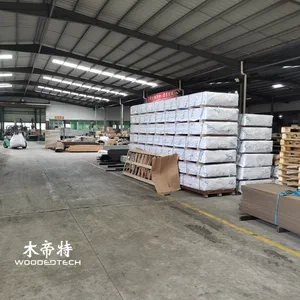
| Length | For 20GP container, max length is 5.8 meters (longest); mostly 2.2 / 2.4 / 2.9 / 3.0 / 4.0 meters (recommended) or customized. |
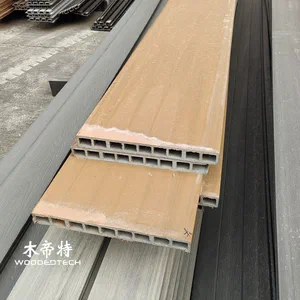
L12070 wpc pergola beams are designed for outdoor pergolas that need reliable strength, controlled weight, and easy installation. By changing profile shape, internal hollowing, rib layout, and surface texture, a WPC extrusion mold can balance load performance with material use and project cost.
How profile design affects pergola beam performance
For a beam like L12070, the profile is the first decision that determines how the part behaves in service. A wider section or deeper section increases bending resistance, while rounded corners help reduce stress concentration and improve extrusion stability. The right profile also makes the beam easier to connect with posts, rafters, and decorative covers, which matters when the pergola must fit different outdoor styles.
Hollow profiles are often preferred when the goal is to reduce weight without losing too much stiffness. They use less raw material, lower shipping cost, and are easier for installers to lift and align on site. Solid profiles provide higher impact resistance and a more compact feel, but they increase cost and can be harder to handle in large-span pergola systems.
Why ribs matter more than thickness alone
Internal rib design is one of the most important parts of WPC mold engineering. Instead of relying only on wall thickness, well-placed ribs guide load paths through the beam and improve resistance to bending, twisting, and local deformation around screw points. This is especially useful for outdoor pergolas exposed to wind load and long-term structural stress.
Good rib design also improves cooling during extrusion, which helps the profile hold its shape and reduces warping. If ribs are too many or too thin, the beam may become difficult to extrude consistently; if they are too few, material is wasted and strength drops. The best design finds a balance between rigidity, processability, and cost control.
Surface patterns and installation performance
Surface texture influences more than appearance. Wood-grain patterns, matte finishes, and embossed surfaces can hide minor scratches and give the pergola a more natural architectural look. For exterior applications, a controlled surface pattern also improves weathering appearance and helps the beam maintain a clean look after long exposure.
From an installation point of view, uniform surface quality helps with cutting, drilling, and fastening. A stable, low-shrinkage WPC profile reduces rework on site and supports cleaner joints between beam sections. For modular pergola systems, that means faster assembly and fewer fitting problems.
Design choices for flexible outdoor applications
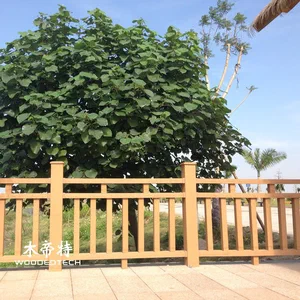
L12070-type pergola beams are suitable for modern, classic, and minimalist pergola layouts because the same profile can support different spans, spacing, and decorative finishes. A custom extrusion mold allows the manufacturer to adjust dimensions, cavity structure, and rib placement for specific load targets or project budgets.
For buyers, the main trade-off is simple: hollow beams save weight and cost, solid beams give maximum stability, and rib-optimized beams often deliver the best overall value. The right choice depends on the pergola size, local climate, and installation method.
FAQ
Q: Are hollow WPC pergola beams strong enough for outdoor use? A: Yes, if the profile is properly ribbed and the span is designed correctly. Hollow beams are widely used because they reduce weight while still providing practical structural performance.
Q: Why do surface patterns matter on pergola beams? A: Surface patterns improve the visual finish and help hide minor wear from outdoor exposure. They also support a more premium appearance without changing the structural core.
Q: What is the biggest advantage of custom WPC extrusion for pergola beams? A: Custom extrusion lets the designer match strength, weight, and cost to the exact project need. It also improves installation efficiency by making the profile easier to fit and assemble.
Related Products
 L200105 WPC beams with super large dimensions provide reliable structural support for spacious outdoor pergola and landscape designs
 L200200 wpc pergola columns with extra large size and thick wall hollow structure provide strong support for outdoor pergola projects
 D10023 wpc decking panel with 10 centimeter narrow width design offers flexible options for outdoor flooring projects
 wpc panel size L120120-2 square posts with round inner holes offer a unique design solution for outdoor pergola construction
Related Articles
Get a Free Quote
Interested in L12070 wpc pergola beams are suitable for creating various outdoor pergola styles with flexible structural applications? Fill in the form and we will reply within 24 hours.