
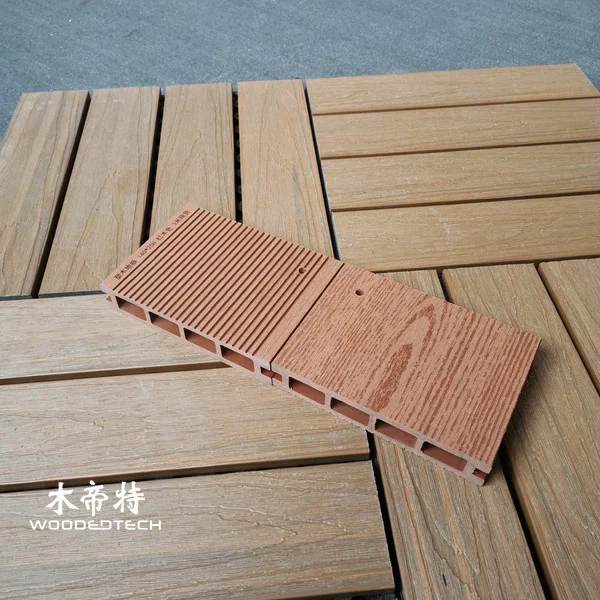
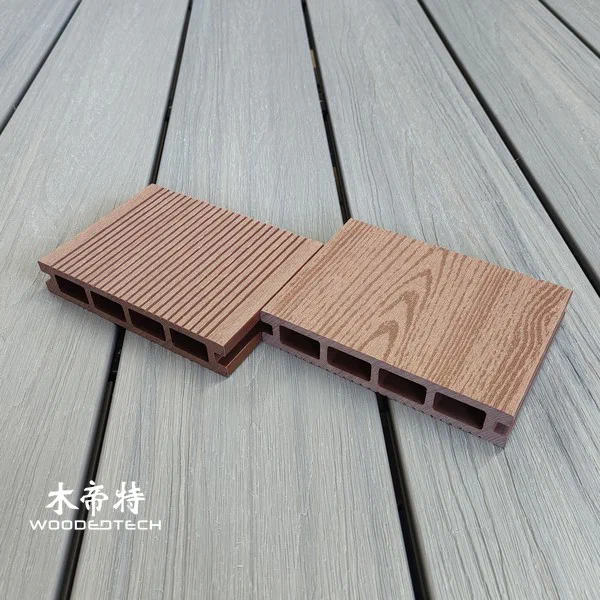
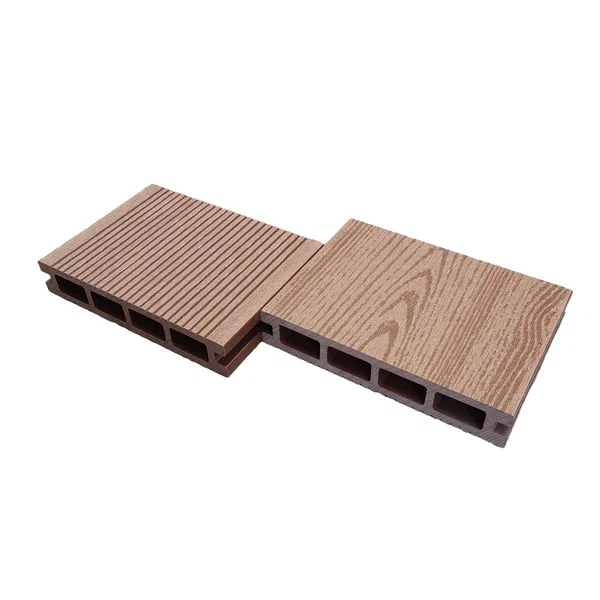
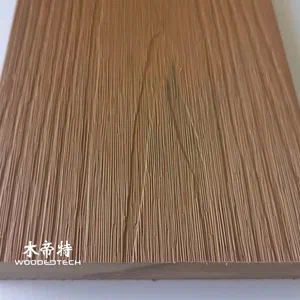
The Classic D14025-4 Red Wood WPC Wood Sheet Features a Timeless 2D Flat Wood Grain Design That Remains Popular After Twenty Years
Discover why the D14025-4 red wood WPC sheet remains popular, combining timeless 2D flat wood grain with versatile modern outdoor design.
| Payment | T/T in advance. Customized order: T/T, 50% prepayment, 50% balance before loading. |
|---|---|
| Transaction Terms | FOB, CIF, EXW, etc. |
| Samples | <30cm: samples for free. >30cm: samples order (the sample fee can be deducted when placing a container order later). |
| Length | For 20GP container, max length is 5.8 meters (longest); mostly 2.2 / 2.4 / 2.9 / 3.0 / 4.0 meters (recommended) or customized. |
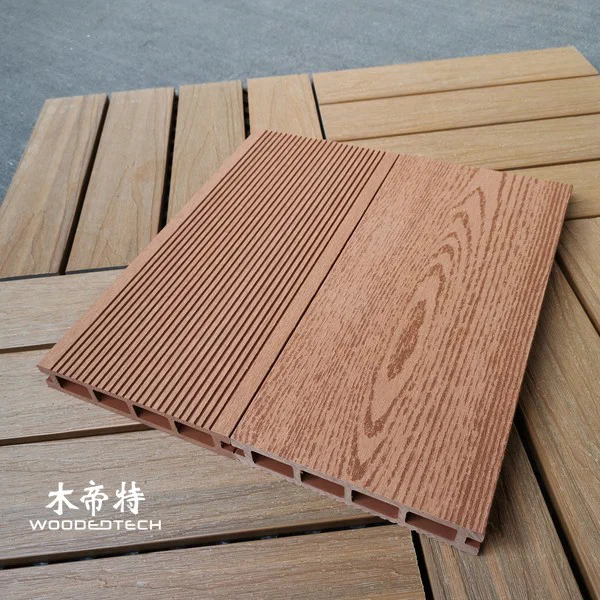
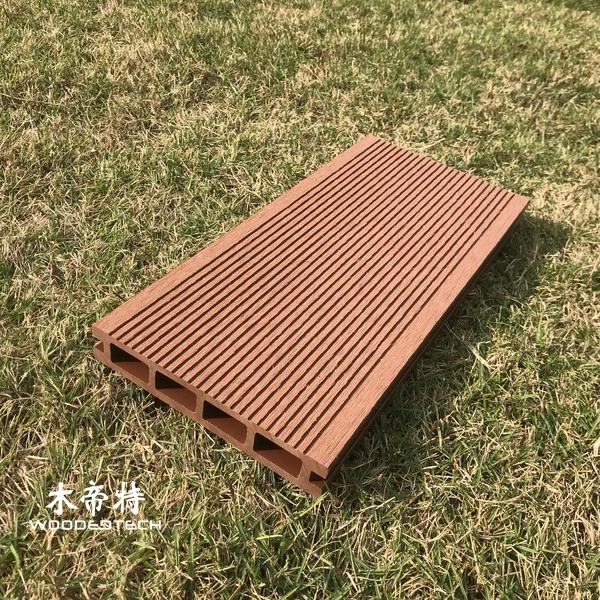
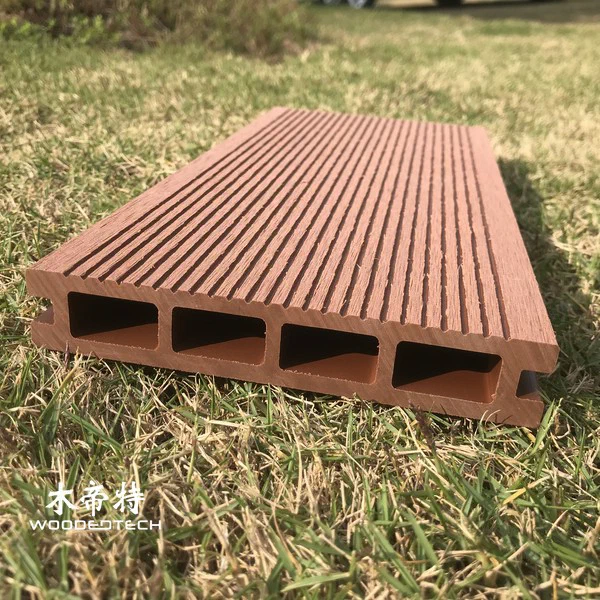
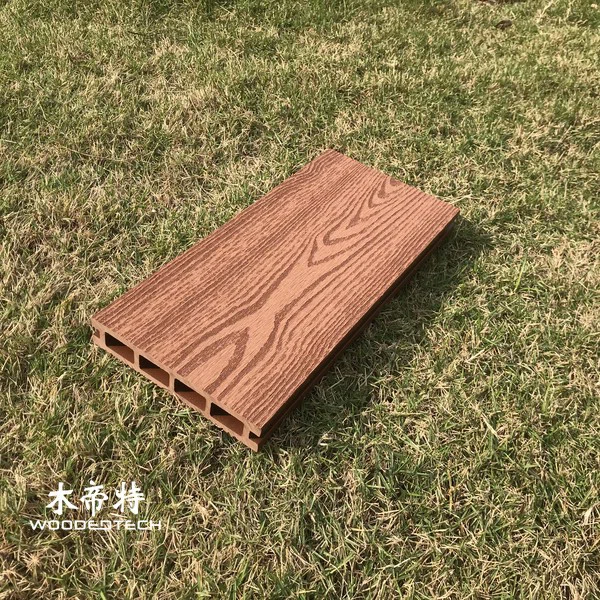
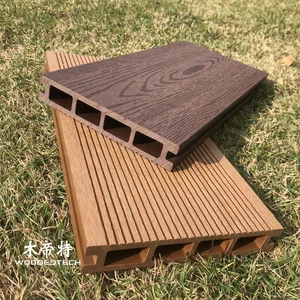
The Classic D14025-4 Red Wood WPC Wood Sheet demonstrates why traditional wood-grain designs continue to hold their place in modern outdoor architecture. Featuring a timeless 2D flat wood grain surface in a rich red wood color, this design has remained popular for more than twenty years. Its enduring appeal comes from its natural appearance, versatile styling, and ability to complement both traditional landscapes and contemporary outdoor spaces.
Why the Classic 2D Flat Wood Grain Remains Popular
Outdoor design trends change, but natural wood aesthetics rarely go out of style. While deeply embossed surfaces and highly decorative finishes have gained attention in recent years, the classic 2D flat wood grain remains a practical and attractive choice for homeowners, landscape designers, architects, and commercial project developers.
The D14025-4 red wood WPC sheet reflects this preference for understated design. Rather than relying on exaggerated textures or complicated patterns, its flat wood-grain finish creates a clean, consistent appearance. The red wood color adds warmth and character, making it suitable for outdoor environments that need a natural timber look without the visual complexity of heavily textured materials.
Another advantage of this classic design is its adaptability. It works well alongside stone paving, concrete surfaces, metal structures, glass railings, and green landscaping. Whether used in residential gardens, hotel terraces, commercial courtyards, or public outdoor areas, the familiar wood appearance helps create a welcoming atmosphere.
Modern Color Trends in Outdoor WPC Products
Color selection has become an important part of outdoor product design. Modern projects increasingly use coordinated color palettes to connect decking, wall panels, fencing, pergolas, gazebos, and landscape accessories.
Red wood remains a popular option because it brings warmth and a traditional timber character to outdoor spaces. It is particularly effective in gardens with natural stone, green plants, neutral exterior walls, and darker metal details. Unlike some highly fashionable colors, its established appearance makes it easier to incorporate into projects with different architectural styles.
Other popular composite decking colors include light oak, teak, walnut, grey, charcoal, and contemporary brown tones. Designers often combine two complementary shades to create visual separation between functional areas. For example, a warm red wood deck can be paired with dark fence panels or neutral wall cladding to establish contrast without making the space feel crowded.
For manufacturers and distributors, maintaining classic colors alongside newer finishes provides greater flexibility when serving different markets. The D14025-4 design is a good example of a product style that remains commercially relevant despite changing color preferences.
Texture and Profile Design: Balancing Appearance and Function
Surface texture influences both the appearance and practical application of outdoor WPC products. Current design trends include natural wood embossing, 3D grain patterns, brushed finishes, smooth surfaces, and linear fluted profiles.
The 2D flat wood grain of the D14025-4 offers a different aesthetic from deeply embossed alternatives. Its relatively understated pattern creates a uniform visual effect, making it suitable for projects where consistency and a traditional wood appearance are priorities. It can also work effectively in larger installations where excessive surface variation might distract from the overall design.
Profile selection is equally important. Composite decking boards can feature different widths, grooves, edges, and surface treatments. Wall panels may use flat, grooved, or slatted profiles to create different architectural effects. Fences and privacy screens increasingly incorporate horizontal and vertical arrangements, while pergolas and gazebos use coordinated beams, louvers, and decorative elements.
The key design consideration is choosing a surface and profile that match the intended application. A classic flat wood-grain finish offers a familiar timber aesthetic, while more pronounced textures and geometric profiles can create a stronger contemporary statement.
Connecting Decking, Wall Panels, Fences, and Outdoor Structures
One of the most noticeable trends in modern landscape design is the move toward coordinated outdoor product systems. Instead of selecting every element independently, designers increasingly consider how decking, exterior wall panels, fencing, pergolas, and garden accessories work together.
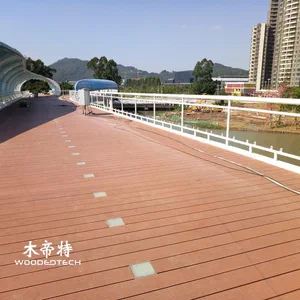
A red wood WPC decking surface can provide a warm foundation for a garden terrace. Matching or complementary WPC wall panels can extend the wood aesthetic onto exterior walls, while horizontal composite fence panels create privacy and establish clear boundaries. Adding a pergola with coordinated beams and louvers introduces shade and creates a more defined outdoor living area.
Gazebos and pavilions are also becoming important elements in residential and commercial landscapes. Their designs increasingly emphasize simple geometric structures, practical shade solutions, and materials that complement surrounding decking and fencing.
Landscape products such as composite planter boxes, garden benches, decorative screens, and outdoor seating complete the space. Using consistent colors and related profiles helps create a unified appearance without requiring every product to have exactly the same finish.
Modular Design and the Future of Outdoor WPC Applications
Modular construction is another important direction in outdoor product development. Standardized components, compatible profiles, and flexible installation systems make it easier to adapt outdoor spaces to different dimensions and project requirements.
Modular composite decking systems can simplify the creation of terraces, balconies, poolside areas, and garden pathways. Coordinated fence panels allow installers to establish boundaries with consistent spacing and appearance. Modular pergola and gazebo components also provide opportunities for customized layouts, adjustable dimensions, and more efficient project installation.
For WPC manufacturers, modular product development creates opportunities to offer complete outdoor solutions rather than individual materials. A coordinated product range can include decking boards, wall cladding, fence panels, privacy screens, pergola components, and landscape accessories.
The D14025-4 red wood sheet fits this design philosophy because its classic appearance can serve as a visual reference for broader outdoor product combinations. Its lasting popularity also demonstrates that successful product design does not always depend on introducing a completely new surface pattern every season.
More than twenty years after its introduction, the classic 2D flat wood grain remains relevant because it delivers a recognizable natural wood aesthetic that works across different outdoor applications. For distributors, contractors, architects, and project buyers, the D14025-4 represents an established design direction that can be integrated into both traditional landscaping and modern exterior environments. As outdoor WPC products continue to evolve through new colors, textures, profiles, and modular systems, timeless wood-grain designs will remain an important part of the market.
Related Products
 D14025-3 Composite Lumber for Decks Features a Classic Double Sided Groove Design with Excellent Value for Outdoor Projects
 D14025-4 Composite for Decking Provides Stable Performance and Reliable Quality as a Popular Choice for Outdoor Projects
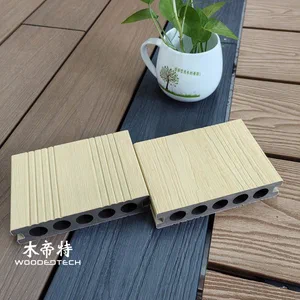 GD14030 Capped Wood Composite Decking Features an Extra Thick Structure for Greater Strength Stability and Long Term Outdoor Performance
 D14025-2 Square Hole Fine Groove Surface Composite Decking Is Designed For Practical Outdoor Applications
Related Articles
Get a Free Quote
Interested in The Classic D14025-4 Red Wood WPC Wood Sheet Features a Timeless 2D Flat Wood Grain Design That Remains Popular After Twenty Years? Fill in the form and we will reply within 24 hours.