
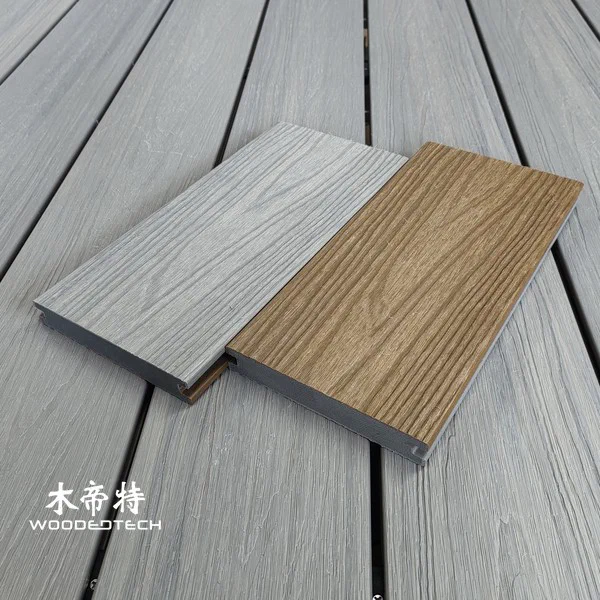


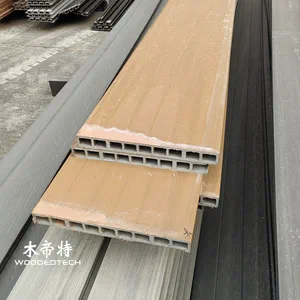
Second Generation Two Color Co Extruded 3D Embossed 3DGD14023S Composite Wood Deck Boards Feature an Extremely Realistic Antique Wood and Teak Grain Texture
Explore 3DGD14023S two-color co-extruded composite decking with realistic antique wood and teak grain textures for modern outdoor spaces.
| Payment | T/T in advance. Customized order: T/T, 50% prepayment, 50% balance before loading. |
|---|---|
| Transaction Terms | FOB, CIF, EXW, etc. |
| Samples | <30cm: samples for free. >30cm: samples order (the sample fee can be deducted when placing a container order later). |
| Length | For 20GP container, max length is 5.8 meters (longest); mostly 2.2 / 2.4 / 2.9 / 3.0 / 4.0 meters (recommended) or customized. |
Second-generation two-color co-extruded 3D embossed composite decking, such as the 3DGD14023S profile, combines realistic antique wood and teak grain textures with contemporary outdoor design. Its dimensional surface detailing and layered color effects create a natural timber appearance for patios, garden terraces, poolside areas, and modern commercial landscapes. For designers, distributors, and contractors, this style offers a practical way to balance visual character with the performance requirements of outdoor spaces.
Two-Color Co-Extrusion and Realistic Wood Grain
Color and texture are central to modern composite decking design. Instead of relying on a flat, uniform finish, two-color co-extrusion introduces visual variation that can reproduce the depth and tonal transitions associated with aged timber and teak. The 3D embossed surface adds tactile detail, helping the boards achieve a more convincing wood-like appearance.
Antique wood tones suit rustic gardens, heritage-inspired courtyards, and outdoor hospitality projects, while teak-inspired shades complement contemporary villas, coastal properties, and minimalist terraces. Depending on the selected color combination, the same decking profile can create a warm, traditional atmosphere or a clean, premium architectural finish. This flexibility makes composite decking colors an important consideration when coordinating flooring with exterior walls, furniture, and landscaping.
Modern Profiles for Coordinated Outdoor Spaces
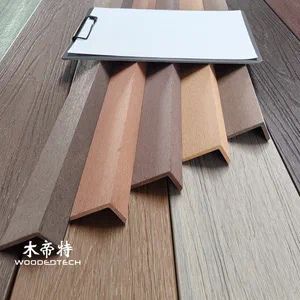
Contemporary outdoor design increasingly emphasizes consistency across different architectural elements. Composite deck boards establish the foundation, while matching or complementary composite cladding, privacy screens, and fencing extend the design language throughout the property.
Linear profiles create visual order and make narrow outdoor areas appear more structured. Wider boards can establish a spacious, streamlined look, while contrasting borders and directional layouts help define dining zones, walkways, and seating areas. Pairing wood-grain decking with vertical wall panels or horizontal fence slats introduces texture without overwhelming the overall design.
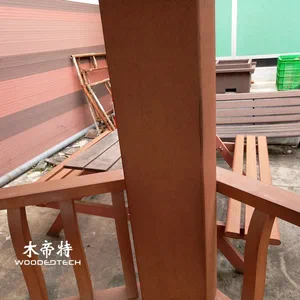
For projects that include pergolas, gazebos, or garden seating, coordinating surface colors and material finishes helps connect separate functional areas. Designers can combine natural-looking composite materials with metal frames, glass, stone, and greenery to create a balanced outdoor environment.
Modular Design and Practical Installation
Modular planning is another important trend in outdoor WPC products. Consistent board dimensions and coordinated components simplify layout planning, support repeatable installation, and help contractors manage material requirements across residential developments, hospitality projects, and commercial landscapes.
Composite decking can be integrated with steps, raised platforms, planter boxes, benches, and designated circulation paths. Modular arrangements also make it easier to divide large terraces into functional zones without introducing abrupt changes in material or style. Before specifying the 3DGD14023S boards, buyers should confirm the available dimensions, installation method, joist spacing, fastening system, and compatibility with edge trims or railing components.
Designing for Long-Term Outdoor Use
Modern composite decking is selected for its combination of wood-inspired aesthetics and practical maintenance requirements. Co-extruded products are designed with an outer protective layer, although actual resistance to moisture, ultraviolet exposure, stains, and surface wear depends on the product specification and installation conditions.
For designers and importers, the best approach is to evaluate appearance alongside technical performance. Request physical samples to compare the antique wood and teak grain effects under natural light, and review product data before specifying the boards for demanding environments. Coordinating texture, color, profile, and modular components from the planning stage creates outdoor spaces that look intentional and remain easier to maintain.
FAQ
Q: What makes the 3DGD14023S composite decking visually distinctive?
A: Its two-color co-extruded finish and three-dimensional embossed texture are designed to create a realistic antique wood and teak grain appearance.
Q: Which outdoor design styles suit two-color co-extruded decking?
A: It works well with contemporary, coastal, rustic, and transitional designs, depending on the chosen color tones and surrounding materials.
Q: What should buyers confirm before ordering composite deck boards?
A: Confirm board dimensions, surface finish, technical performance, installation requirements, available accessories, and suitability for the intended outdoor environment.
Related Products
 GD13823-3 Redwood Color Round Hole Co Extrusion Decking Composite Decking Brings Classic Chinese Red Style to Outdoor Flooring Projects
 3D15023 150mm Width 23mm Thickness Round Hole 3D Embossed Chocolate Color Outdure Composite Decking Creates Elegant Outdoor Spaces
 Antique Wood GD13823-3 Co Extruded Composite Wood Decking Boards with Round Holes Are Available in Stock in 3 Meter Lengths Year Round
 GD14023 Composite Decking Versus Wood Decking Features a Round Hole Structure with Semi Capped Co Extrusion
Related Articles
Get a Free Quote
Interested in Second Generation Two Color Co Extruded 3D Embossed 3DGD14023S Composite Wood Deck Boards Feature an Extremely Realistic Antique Wood and Teak Grain Texture? Fill in the form and we will reply within 24 hours.