


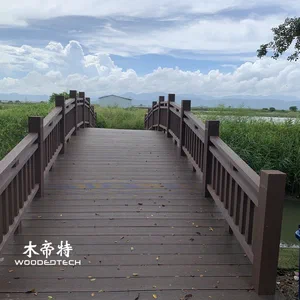
GD13825 capped composite decking with 2.5cm thickness and grooved surface provides high quality outdoor flooring performance
GD13825 capped composite decking combines a 2.5cm profile and grooved surface for durable, low-maintenance outdoor flooring.
| Payment | T/T in advance. Customized order: T/T, 50% prepayment, 50% balance before loading. |
|---|---|
| Transaction Terms | FOB, CIF, EXW, etc. |
| Samples | <30cm: samples for free. >30cm: samples order (the sample fee can be deducted when placing a container order later). |
| Length | For 20GP container, max length is 5.8 meters (longest); mostly 2.2 / 2.4 / 2.9 / 3.0 / 4.0 meters (recommended) or customized. |
GD13825 capped composite decking with 2.5cm thickness and grooved surface is built for outdoor flooring that needs dependable strength, low maintenance, and a clean finished look. For buyers comparing WPC profile options, the board design matters as much as the material itself because structure controls performance, handling, and installed cost.
How profile design changes performance
In WPC extrusion, the profile is the base of product performance. A well-designed decking board balances section height, wall thickness, and internal geometry so the board stays stiff enough under foot traffic without adding unnecessary weight or resin consumption.
For GD13825, the 2.5cm thickness gives a solid feel under outdoor use, but the real advantage comes from how the profile distributes material. Thicker sections improve load support and reduce bounce, while a controlled profile shape helps the board remain stable during cooling and installation.
Hollow, solid, and ribbed structures
Hollow structures are popular when buyers want lower weight and better cost control. They are easier to transport and can reduce material use, but they must be designed carefully to avoid soft spots, deformation, or poor screw-holding performance. Hollow profiles work best when the internal chambers and rib layout are matched to span length and expected load.
Solid structures deliver maximum density and impact resistance. They are heavier and usually cost more, but they perform well in high-traffic areas, around pools, or where installers want a more robust board with fewer concerns about edge damage.
Ribbed designs sit between the two. Internal ribs increase bending strength without making the board fully solid, which is a practical choice for many outdoor decking projects. A good rib pattern also improves cooling uniformity during extrusion, helping reduce warping and dimensional inconsistency.
Surface pattern and installation value
Surface pattern affects both appearance and safety. A grooved surface improves slip resistance and gives the board a neat linear look that fits modern outdoor flooring projects. It also helps hide minor dust and wear better than a flat surface, which supports long-term presentation in commercial and residential spaces.
For installation, the surface and profile must work together. A stable board with accurate dimensions lays faster, stays flatter, and gives more consistent clip engagement. That reduces labor time and lowers the risk of uneven gaps, squeaks, or movement after installation.
Cost and application balance
The best WPC decking design is not always the heaviest one. Buyers should consider strength, weight, price, and the real site conditions together. Hollow boards can be ideal for controlled residential projects, ribbed boards often offer the best balance for general outdoor flooring, and solid boards are the right choice when durability is the top priority.
GD13825 capped composite decking combines these design principles with a capped surface for better weather resistance and easier cleaning, making it a practical option for outdoor flooring performance where appearance and reliability both matter.
FAQ
Q: Why does a 2.5cm WPC decking thickness matter? A: It improves stiffness and load support, especially for outdoor flooring areas that need a more substantial underfoot feel.
Q: Is a grooved surface only for appearance? A: No. Grooves also improve slip resistance and can make the deck look cleaner over time by masking light surface wear.
Q: Which profile is best for outdoor decking: hollow or solid? A: Hollow profiles save weight and cost, while solid profiles deliver higher strength. The best choice depends on span, traffic, and budget.
Related Products
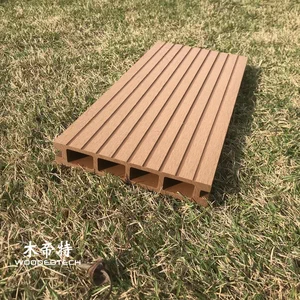 WPC Decking Outdoor 1st Generation Classic Series D14025-3: Grooved Anti-Slip Flooring
 D14025-4 wpc composite pool decking with teak color and classic 2D wood grain surface is available with large stock supply
 D14025-6 wpc composite decking with walnut color and round hollow groove surface creates a practical outdoor flooring solution
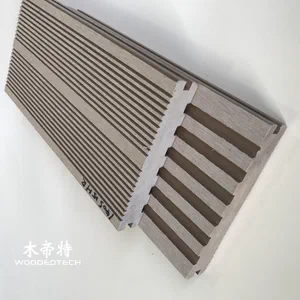 D14025-4S Double Sided Grooved Solid Plastic Wood Decking Boards for Garden Flooring
Related Articles
Get a Free Quote
Interested in GD13825 capped composite decking with 2.5cm thickness and grooved surface provides high quality outdoor flooring performance? Fill in the form and we will reply within 24 hours.