
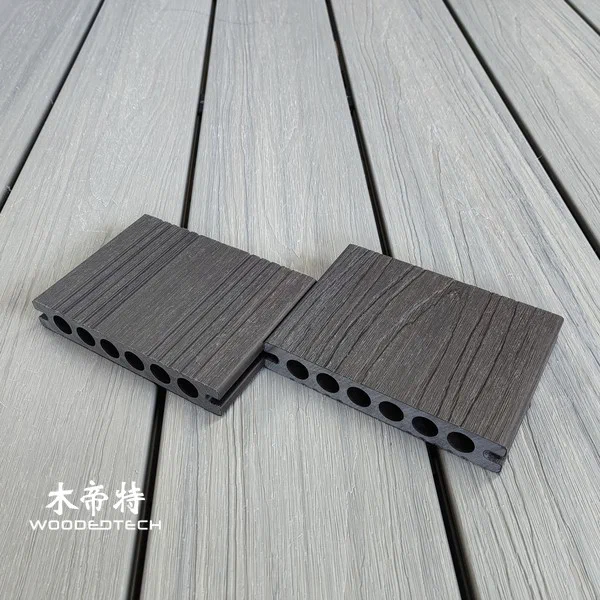
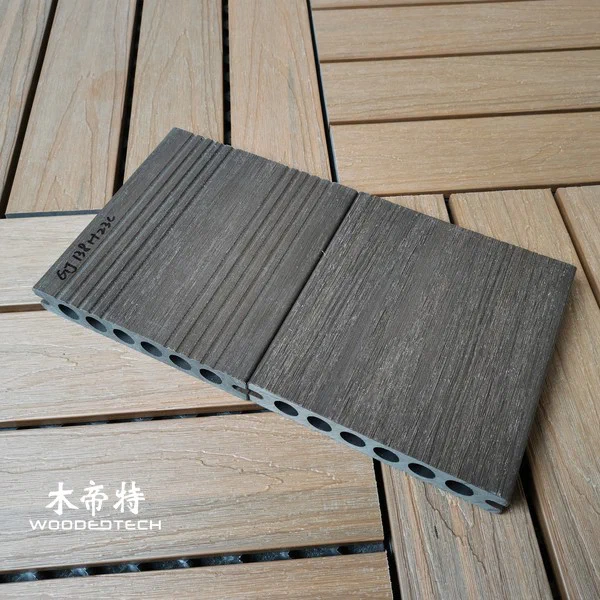
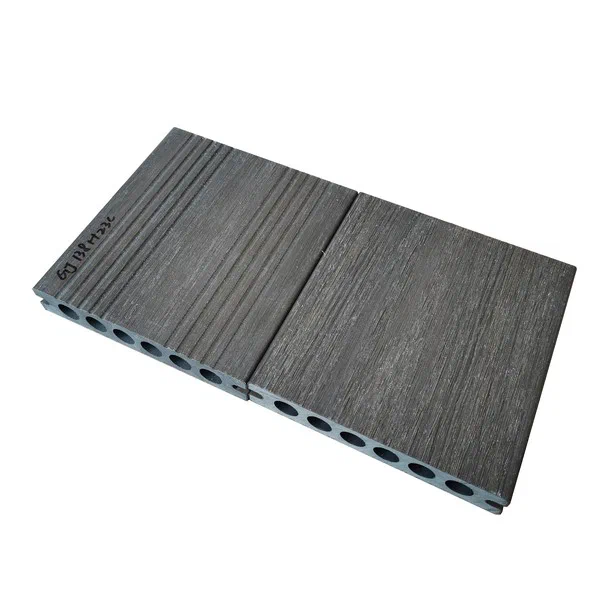
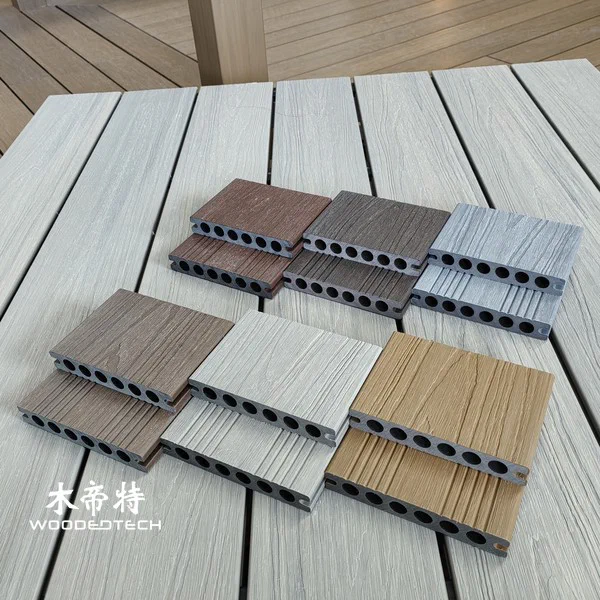
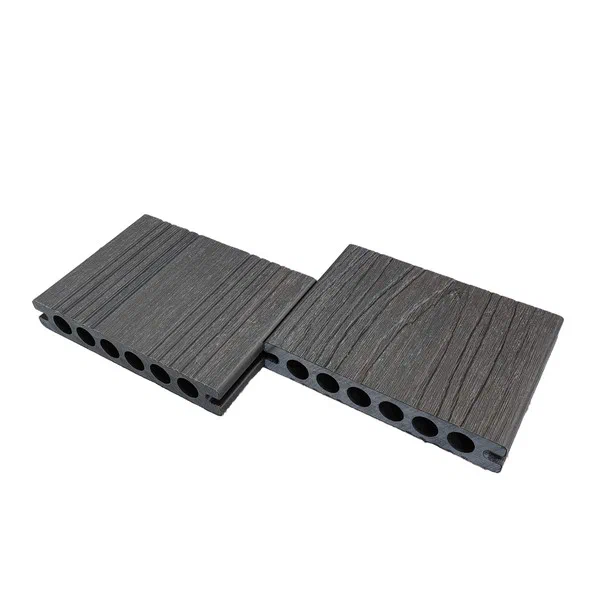
GD13823-3 Walnut WN Co Extruded Decking Features a Dark Rich Color That Helps Resist Visible Dirt and Stains
Learn how raw materials affect the durability and performance of GD13823-3 Walnut WN Co Extruded Decking in outdoor environments.
| Payment | T/T in advance. Customized order: T/T, 50% prepayment, 50% balance before loading. |
|---|---|
| Transaction Terms | FOB, CIF, EXW, etc. |
| Samples | <30cm: samples for free. >30cm: samples order (the sample fee can be deducted when placing a container order later). |
| Length | For 20GP container, max length is 5.8 meters (longest); mostly 2.2 / 2.4 / 2.9 / 3.0 / 4.0 meters (recommended) or customized. |
The performance and longevity of outdoor Wood Plastic Composite (WPC) products, such as the GD13823-3 Walnut WN Co Extruded Decking, are heavily influenced by the raw materials used in their production. Key components like wood powder, HDPE or PVC polymers, additives, pigments, and modifiers play crucial roles in enhancing durability, weather resistance, and overall product performance.
Key Raw Materials and Their Impact
Wood Powder: This is the primary ingredient that gives WPC its wood-like appearance. The quality and source of wood powder are vital; finer powders tend to enhance the surface finish and texture, improving aesthetic appeal. High-quality wood powder contributes to better binding with polymers, leading to reduced moisture absorption and enhanced durability.
Polymers (HDPE/PVC): The choice between high-density polyethylene (HDPE) and polyvinyl chloride (PVC) significantly affects the WPC’s mechanical properties. HDPE typically offers better resistance to impact and UV degradation, making it favorable for outdoor applications. On the other hand, PVC can provide better resistance to chemicals, which may be beneficial in certain environments.
Additives: Various additives, such as lubricants and coupling agents, are essential for improving the processing of WPC materials. They enhance the flow characteristics during extrusion and improve the adhesion between wood fibers and polymers, resulting in a more cohesive and durable product.
Pigments: The use of color pigments not only contributes to the aesthetic appeal of WPC products but also plays a role in UV resistance. Darker colors, like those used in the GD13823-3 decking, can help resist visible dirt and stains, maintaining the product’s appearance over time.
Modifiers: These are added to alter specific properties of the WPC. For instance, impact modifiers can enhance toughness, while flame retardants improve fire resistance. Choosing the right modifiers is essential for meeting safety and performance standards.
Factory Inspection Methods
Quality control in WPC production involves rigorous inspection methods to ensure that the raw materials and final products meet industry standards. Here are some practical methods employed in factories:
Raw Material Testing: Each batch of wood powder and polymers undergoes comprehensive testing for particle size, moisture content, and chemical composition. This ensures uniformity and quality before production begins.
Extrusion Monitoring: During the extrusion process, parameters such as temperature, pressure, and flow rate are continuously monitored. Deviations can lead to defects in the final product, so maintaining strict control is crucial.
Mechanical Testing: Finished WPC products are subjected to a series of mechanical tests, including tensile strength, flexural strength, and impact resistance. These tests help in assessing the durability and performance under real-world conditions.
Weathering Tests: To evaluate weather resistance, samples are exposed to accelerated aging tests that simulate prolonged exposure to UV light, moisture, and temperature fluctuations. This helps predict how the product will perform over time in outdoor environments.
Quality Standards
Adhering to established quality standards is paramount for ensuring the reliability of WPC products. In China, products often align with national standards such as GB/T 20200 for WPC materials. Compliance with these standards involves:
Material Specifications: Ensuring that all raw materials meet the specified grades for chemical properties, mechanical strength, and thermal stability.
Performance Testing: Regularly conducting performance tests to confirm that products meet or exceed the required specifications for durability, weather resistance, and safety.
Certification: Obtaining certifications from relevant bodies, which can enhance marketability and consumer confidence in the product.
By focusing on high-quality raw materials and implementing stringent quality control measures, manufacturers can produce WPC products like the GD13823-3 Walnut WN Co Extruded Decking that excel in durability and weather resistance, making them ideal for outdoor applications.
Related Products
 GD13823-3 Composite Boards for Decking Are Available in Multiple Stock Colors with 3 Meter Lengths and Single Piece Delivery
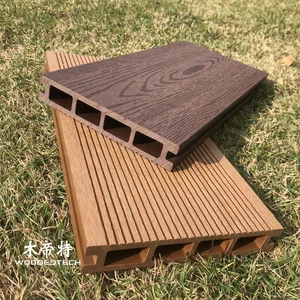 D14025-4 Composite for Decking Provides Stable Performance and Reliable Quality as a Popular Choice for Outdoor Projects
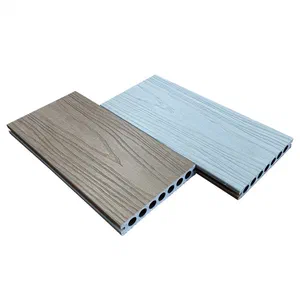 GD14521 Capped Composite Decking Boards Feature a Premium Round Hole Design with Two Colors and Two Usable Surfaces for Outdoor Applications
 D14025-3 Double Groove Surface Coffee Color Wood Polymer Composite Decking Provides Simple Elegant Outdoor Style
Related Articles
Get a Free Quote
Interested in GD13823-3 Walnut WN Co Extruded Decking Features a Dark Rich Color That Helps Resist Visible Dirt and Stains? Fill in the form and we will reply within 24 hours.