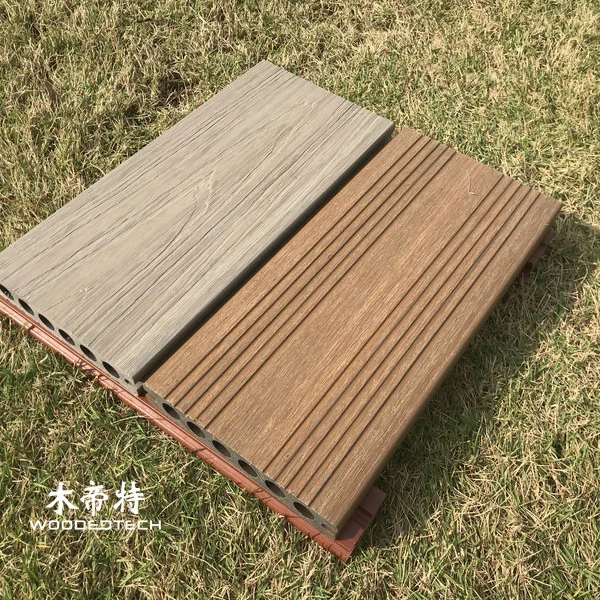
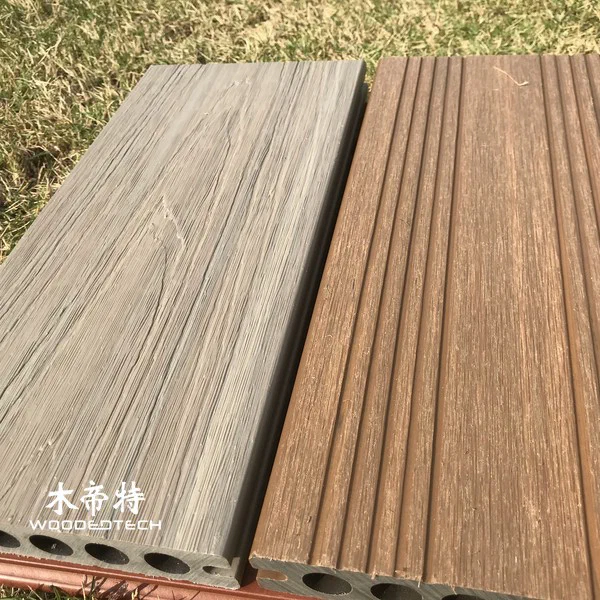
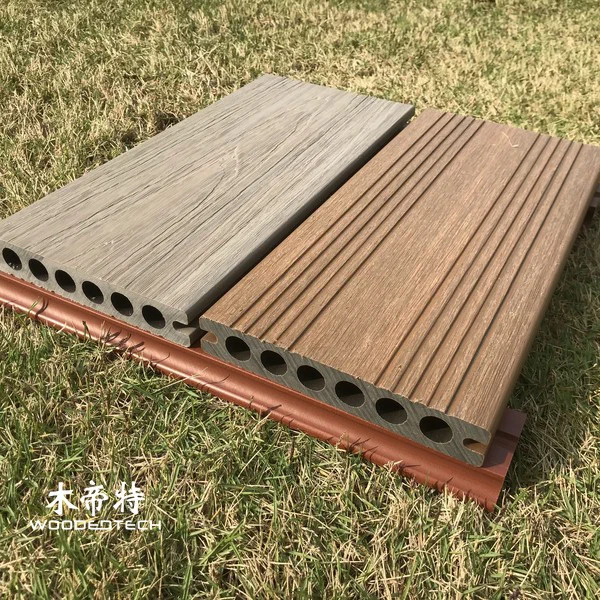
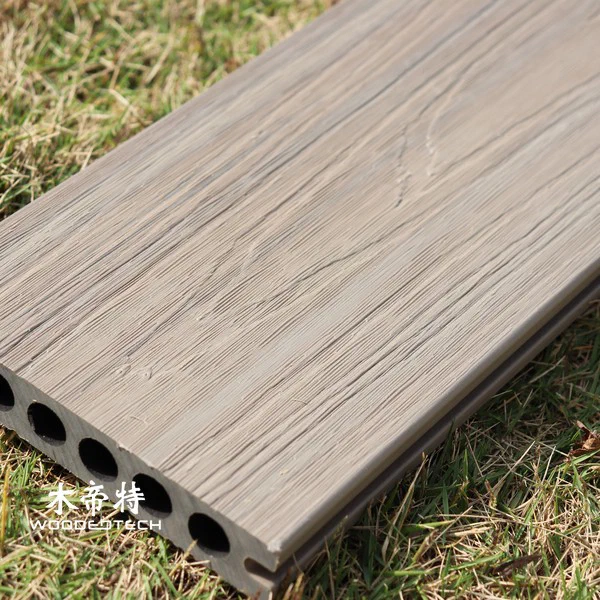
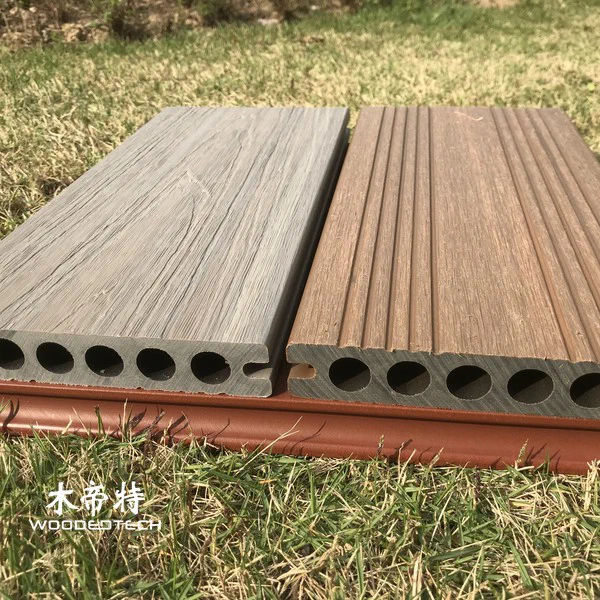
GD13823-3 Second Generation Co Extruded Wood Plastic Composites With High Quality Stable Performance For Premium Outdoor Applications
Learn how premium co-extruded WPC products are manufactured through mixing, extrusion, cooling calibration, and surface treatment processes.
| Payment | T/T in advance. Customized order: T/T, 50% prepayment, 50% balance before loading. |
|---|---|
| Transaction Terms | FOB, CIF, EXW, etc. |
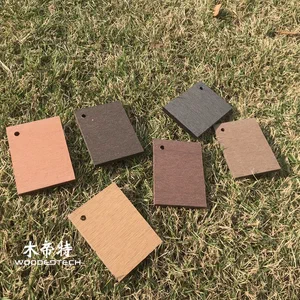
| Samples | <30cm: samples for free. >30cm: samples order (the sample fee can be deducted when placing a container order later). |
| Length | For 20GP container, max length is 5.8 meters (longest); mostly 2.2 / 2.4 / 2.9 / 3.0 / 4.0 meters (recommended) or customized. |
GD13823-3 Second Generation Co Extruded Wood Plastic Composites are designed for premium outdoor applications where long-term stability, weather resistance, and refined appearance are required. The complete WPC extrusion process combines material engineering, precision manufacturing, and advanced surface technologies to produce durable decking and exterior products with consistent performance.
Material Preparation and Pelletizing
The production process starts with careful selection and preparation of raw materials, including wood fiber, recycled polymers, additives, color pigments, and performance modifiers. The wood component is dried to control moisture content, while the polymer materials are filtered and tested to ensure stable processing.
During high-speed mixing, all ingredients are evenly blended. Coupling agents improve the bonding between wood fibers and plastic, while stabilizers enhance resistance against UV exposure, moisture, and temperature changes. The mixed compound is then pelletized into uniform WPC granules, creating a consistent feedstock for extrusion production.
Extrusion Temperature Control and Mold Design
The pelletized material enters the extrusion line, where precise temperature control is essential. Different heating zones gradually melt and plasticize the material while preventing overheating that could damage wood fibers. Typical temperature settings are carefully adjusted according to the polymer type, formula design, and production speed.
For second generation co-extruded WPC products, the extrusion system usually includes a core layer and a protective outer layer. The mold design controls the profile shape, thickness, and layer bonding quality. A well-designed co-extrusion die ensures smooth material flow, balanced pressure distribution, and strong adhesion between the inner composite structure and the outer protective skin.
Cooling Calibration and Surface Treatment
After leaving the mold, the hot WPC profile passes through a vacuum calibration table and cooling system. The calibration equipment maintains precise dimensions, straightness, and surface quality while cooling water gradually reduces the profile temperature.
Surface treatment improves both appearance and functional performance. Depending on customer requirements, processes may include embossing, brushing, sanding, color finishing, or protective coating. For premium outdoor applications, the co-extruded surface layer provides enhanced protection against stains, fading, scratches, and moisture absorption.
Common Production Problems and Solutions
WPC extrusion requires strict process control to avoid quality issues. Common problems include uneven extrusion, surface cracks, poor layer bonding, color variation, and profile deformation.
- Uneven feeding can cause inconsistent density and dimensions.
- Incorrect temperature settings may lead to rough surfaces or weak mechanical strength.
- Poor mold design can create pressure imbalance and profile distortion.
- Insufficient cooling control may result in bending or shrinkage problems.
Regular equipment maintenance, accurate formula management, and real-time production monitoring help maintain stable quality. For GD13823-3 second generation co-extruded WPC products, advanced extrusion technology ensures reliable performance for demanding outdoor environments, including decking, cladding, and architectural applications.
FAQ
Q: What makes second generation co-extruded WPC different from traditional WPC? A: Second generation co-extruded WPC uses a protective outer layer that improves resistance to stains, fading, scratches, and weather exposure while maintaining a natural wood appearance.
Q: Why is temperature control important in WPC extrusion? A: Precise temperature control prevents material degradation, improves bonding quality, and ensures stable profile dimensions during continuous production.
Q: What applications are suitable for co-extruded WPC products? A: They are widely used for outdoor decking, wall cladding, fencing, and other exterior building applications requiring durability and low maintenance.
Related Products
 GD13820 WPC Co Extrusion Decking Provides Reliable Outdoor Flooring Solutions for Extremely Cold Climate Areas
 3DGD13823 Co Extrusion WPC Decking Features Second Generation 3D Embossed Surface with Improved Wood Finish Technology
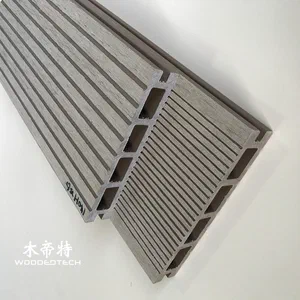 D14025-3 Composite Lumber for Decks Features a Classic Double Sided Groove Design with Excellent Value for Outdoor Projects
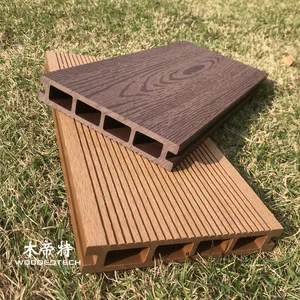 D14025-4 Composite for Decking Provides Stable Performance and Reliable Quality as a Popular Choice for Outdoor Projects
Related Articles
Get a Free Quote
Interested in GD13823-3 Second Generation Co Extruded Wood Plastic Composites With High Quality Stable Performance For Premium Outdoor Applications? Fill in the form and we will reply within 24 hours.