
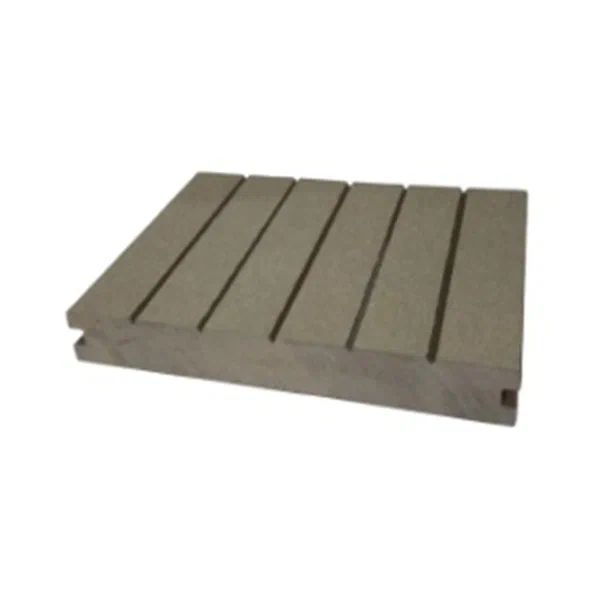
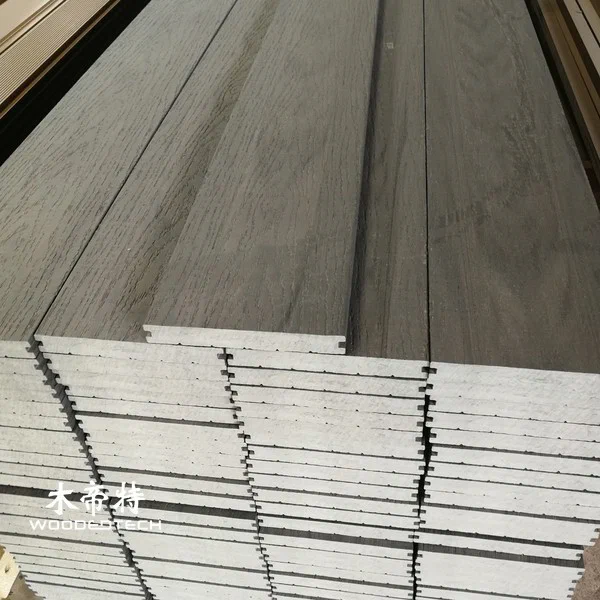
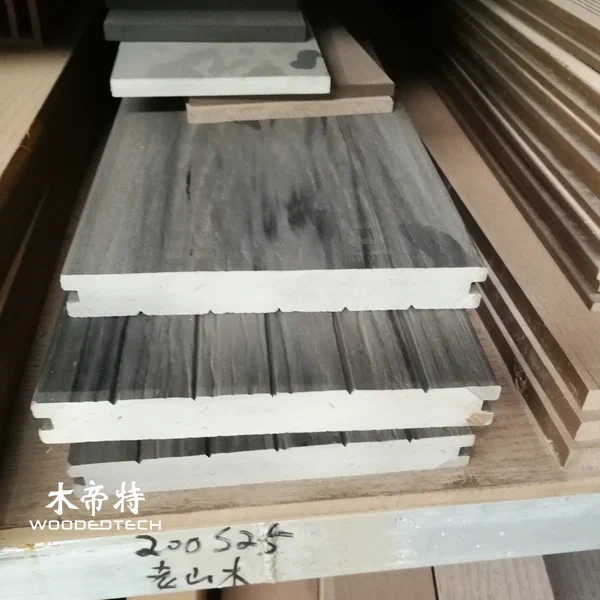
D20025S composite deck provides an extra wide outdoor decking solution with classic solid construction
D20025S delivers extra wide solid WPC decking with strong structure, stable installation, and a clean outdoor finish.
| Payment | T/T in advance. Customized order: T/T, 50% prepayment, 50% balance before loading. |
|---|---|
| Transaction Terms | FOB, CIF, EXW, etc. |
| Samples | <30cm: samples for free. >30cm: samples order (the sample fee can be deducted when placing a container order later). |
| Length | For 20GP container, max length is 5.8 meters (longest); mostly 2.2 / 2.4 / 2.9 / 3.0 / 4.0 meters (recommended) or customized. |
D20025S composite deck is an extra wide outdoor decking solution built with a classic solid construction. Its profile is designed to balance strength, surface stability, and installation efficiency, making it a practical choice for projects that need a clean, durable finish with fewer compromises on load-bearing performance.
How profile design affects performance
In WPC extrusion, the profile is never just a shape. Width, thickness, edge geometry, and internal structure all affect how the board behaves on site and in service. For an extra wide deck board like D20025S, the wider face gives a more open, premium appearance, but it also demands better dimensional control so the board stays flat and stable after extrusion and cooling.
Solid construction improves impact resistance and reduces the hollow sound some buyers want to avoid. It also supports more confident fastening, especially in high-traffic outdoor spaces, because the board carries load more evenly across the full section.
Solid vs hollow structures
Hollow boards are often chosen to reduce weight and material use. They can lower freight cost and make handling easier, but they usually need more careful support spacing and detailed end protection. They are a good fit for lighter-duty applications where economy matters more than maximum rigidity.
Solid boards, by contrast, bring higher density, better screw retention, and better tolerance for concentrated loads. They are heavier and use more raw material, so the cost is higher, but the trade-off is simpler installation and stronger long-term performance. For extra wide decking, solid construction is often the safer design choice because it helps control deflection across the span.
Rib design and structural balance
Internal ribs are essential in hollow WPC profiles because they add stiffness without making the board excessively heavy. Proper rib placement improves bending resistance, reduces warping risk, and keeps the profile stable during cooling. Too few ribs weaken the board; too many increase resin use and can complicate extrusion.
For solid profiles, ribs are less about creating cavities and more about managing material flow and thermal balance. Even in a solid board, the extrusion die must be engineered to avoid internal stress, sink marks, and edge distortion. That is why profile design and mold design have to work together from the start.
Surface patterns and installation performance
Surface texture affects both appearance and function. A wood grain or embossed pattern improves slip resistance and makes the board look more natural, but it also requires accurate die engraving and consistent calibration to keep the pattern clear across the full width. Deep patterns can hide minor scratches, while flatter patterns are easier to clean and often suit commercial decks.
From an installation point of view, surface design also influences board alignment, clip engagement, and cut visibility. A well-designed profile makes gapping more consistent and helps installers achieve a neat finish with less rework.
Why D20025S fits demanding outdoor projects
D20025S is suited to projects that want the visual impact of a broad deck board without sacrificing the reliability of solid construction. It offers strong load support, stable fastening, and a straightforward installation process, which is especially valuable for decks, terraces, and outdoor leisure areas where durability and appearance must work together.
FAQ
Q: Why choose a solid WPC deck board instead of a hollow one? A: Solid boards are stronger, heavier, and easier to fasten securely. They are often preferred for wide profiles and high-traffic outdoor areas.
Q: Do surface patterns improve decking performance? A: Yes, especially when slip resistance and appearance matter. A well-designed texture can improve grip and help the deck keep a natural wood-like look.
Q: How do ribs help WPC extrusion profiles? A: Ribs increase stiffness and reduce material use in hollow designs. They help control bending, warping, and overall structural stability.
Related Products
 Custom Length Solid Composite Decking D14027S Multi-Color Options
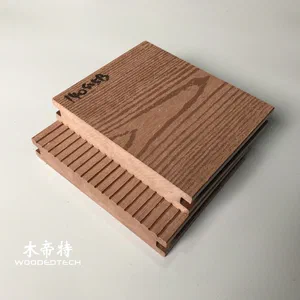 Solid WPC Decking D14025-2S: Commercial Grade Outdoor Flooring Solutions
 D10025S plastic wood look decking offers a narrow width solid design for versatile outdoor applications
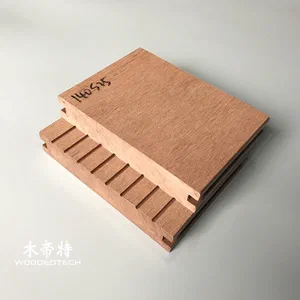 Time-Tested Rocksolid Composite Deck Refresh Reviews D14025S
Related Articles
Get a Free Quote
Interested in D20025S composite deck provides an extra wide outdoor decking solution with classic solid construction? Fill in the form and we will reply within 24 hours.