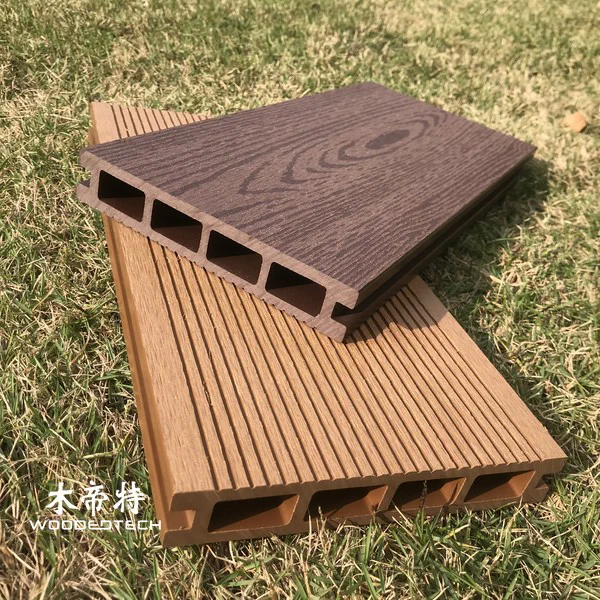
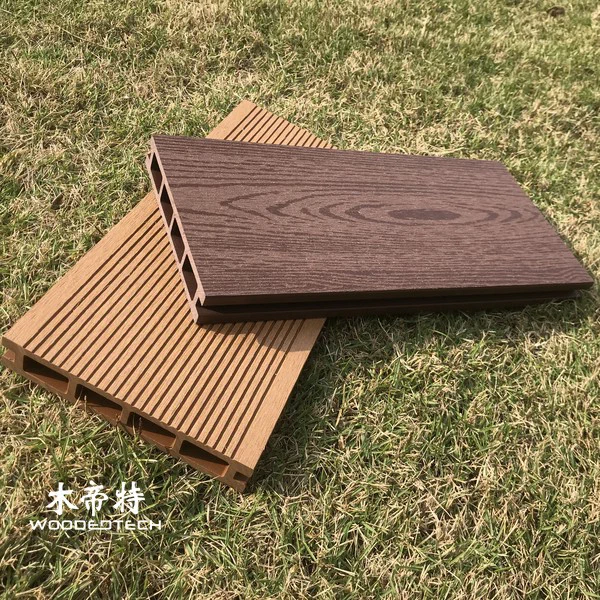
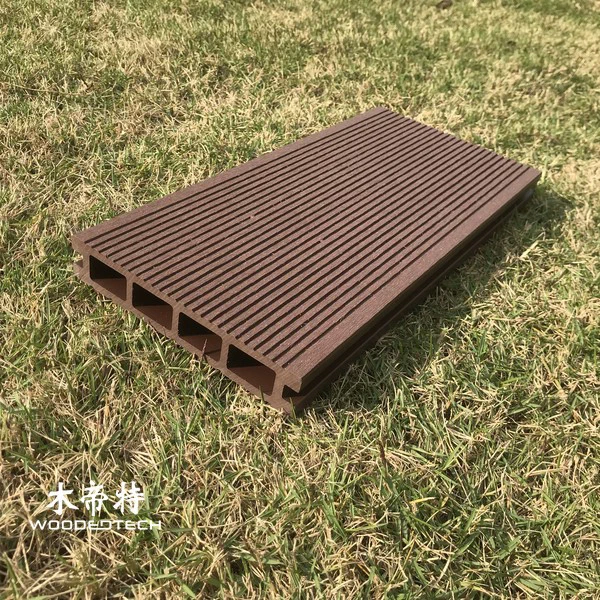
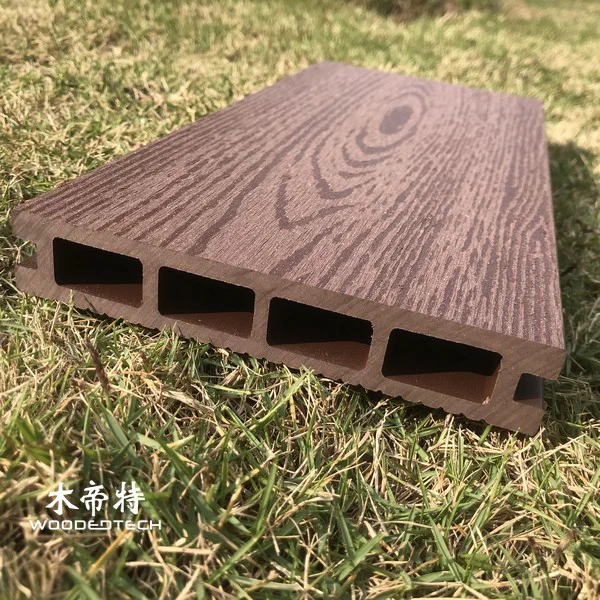
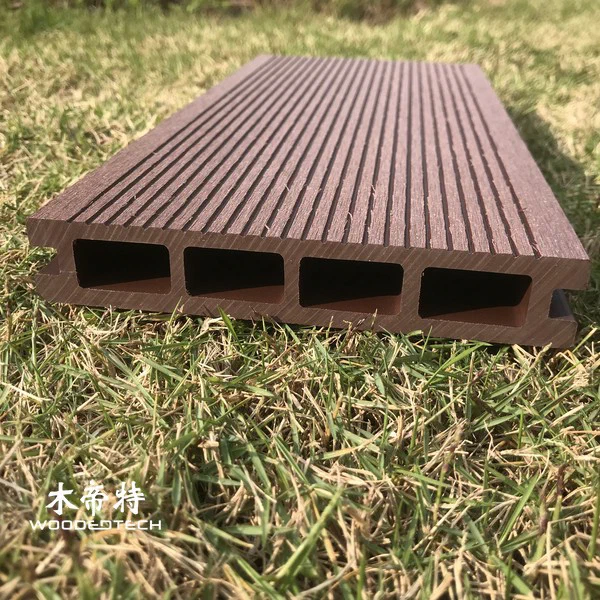
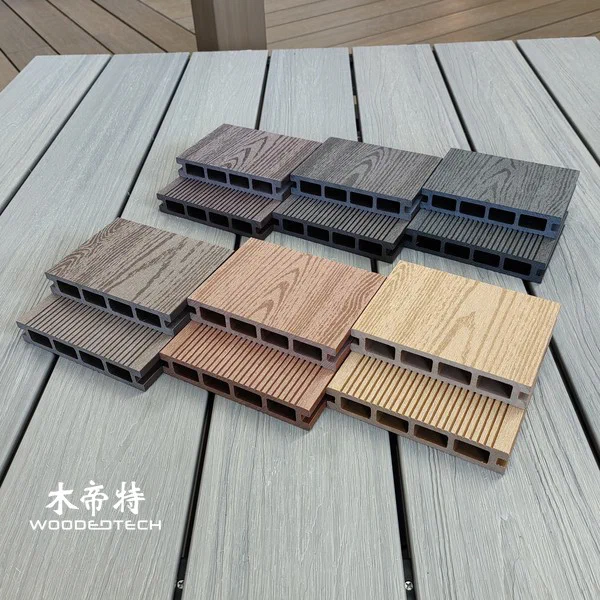
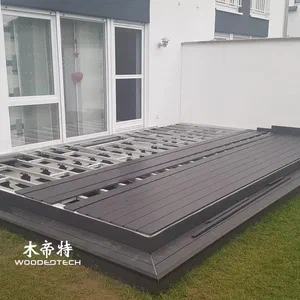
D14025-4 Composite for Decking Provides Stable Performance and Reliable Quality as a Popular Choice for Outdoor Projects
Discover how raw materials impact the durability and performance of outdoor WPC products, ensuring reliable quality for various projects.
| Payment | T/T in advance. Customized order: T/T, 50% prepayment, 50% balance before loading. |
|---|---|
| Transaction Terms | FOB, CIF, EXW, etc. |
| Samples | <30cm: samples for free. >30cm: samples order (the sample fee can be deducted when placing a container order later). |
| Length | For 20GP container, max length is 5.8 meters (longest); mostly 2.2 / 2.4 / 2.9 / 3.0 / 4.0 meters (recommended) or customized. |
Wood plastic composites (WPC) have become a popular choice for outdoor applications due to their durability and low maintenance requirements. The performance of WPC products, particularly for decking, is significantly influenced by the quality of raw materials used in their production, including wood powder, HDPE/PVC polymers, additives, pigments, and modifiers. Understanding their effects on durability, weather resistance, and overall performance is crucial for manufacturers aiming to meet industry standards and customer expectations.
Key Raw Materials and Their Impact
Wood powder serves as the primary filler in WPC formulations, providing a natural aesthetic while contributing to the material’s strength. The quality of wood powder, including its size and moisture content, influences the final product’s density and stability. Fine wood powder can improve surface finish and reduce defects, but if not properly processed, it may lead to issues such as warping or reduced mechanical strength.
HDPE (High-Density Polyethylene) and PVC (Polyvinyl Chloride) are the polymers commonly used in WPC production. HDPE is favored for its excellent weather resistance and strength-to-weight ratio, while PVC offers additional rigidity and versatility in processing. The choice between these polymers can affect the WPC’s resistance to UV radiation, moisture, and thermal expansion, ultimately influencing its long-term performance in outdoor settings.
Additives play a vital role in enhancing the properties of WPCs. For instance, anti-UV agents can improve color retention and prevent degradation from sunlight, while fire retardants can enhance safety. The right combination of additives can elevate the WPC’s performance in various environmental conditions, making it a more resilient choice for outdoor applications.
Pigments are essential for providing color and aesthetic appeal. However, the selection of pigments must consider weathering effects to ensure that colors remain vibrant over time. High-quality pigments resist fading and maintain their integrity, which is particularly important for products like decking that are exposed to direct sunlight and varying weather conditions.
Modifiers, such as coupling agents, help improve the compatibility between wood fibers and polymers, enhancing the overall mechanical properties of the composite. Properly chosen modifiers can lead to better adhesion between components, resulting in a more durable and stable final product.
Factory Inspection Methods and Quality Standards
To ensure that WPC products meet specified quality standards, manufacturers should implement rigorous inspection methods throughout the production process. This includes:
- Raw Material Testing: Conduct tests on wood powder for particle size and moisture content, and analyze polymers for viscosity and molecular weight.
- In-Process Monitoring: Regularly check the mixing process to ensure uniform distribution of materials and additives.
- Mechanical Testing: Perform tests on finished products to evaluate tensile strength, flexural strength, and impact resistance.
- Weathering Tests: Expose samples to accelerated weathering conditions to assess UV resistance, moisture absorption, and color stability over time.
Adhering to recognized performance standards, such as those outlined in D14025-4, helps ensure that WPC products offer reliable quality and performance for outdoor projects.
FAQ
Q: What is the role of wood powder in WPC products?
A: Wood powder acts as a filler that enhances the natural appearance and contributes to the strength of WPC products.
Q: How do HDPE and PVC differ in WPC applications?
A: HDPE offers better weather resistance and a lightweight option, while PVC provides additional rigidity and processing versatility.
Q: What quality standards should WPC products meet?
A: WPC products should adhere to industry standards like D14025-4 to ensure durability, performance, and safety for outdoor use.
Related Products
 D14025-3 Double Sided Grooved Walnut Color Composite Wood Decking Offers Low Maintenance Outdoor Flooring Solution
 D14724 Double Sided Grooved Plastic Wood Look Decking Provides Reliable Outdoor Flooring Performance
 D14025-3 Double Groove Surface Coffee Color Wood Polymer Composite Decking Provides Simple Elegant Outdoor Style
 GD14521 Capped Composite Decking Boards Feature a Premium Round Hole Design with Two Colors and Two Usable Surfaces for Outdoor Applications
Related Articles
Get a Free Quote
Interested in D14025-4 Composite for Decking Provides Stable Performance and Reliable Quality as a Popular Choice for Outdoor Projects? Fill in the form and we will reply within 24 hours.