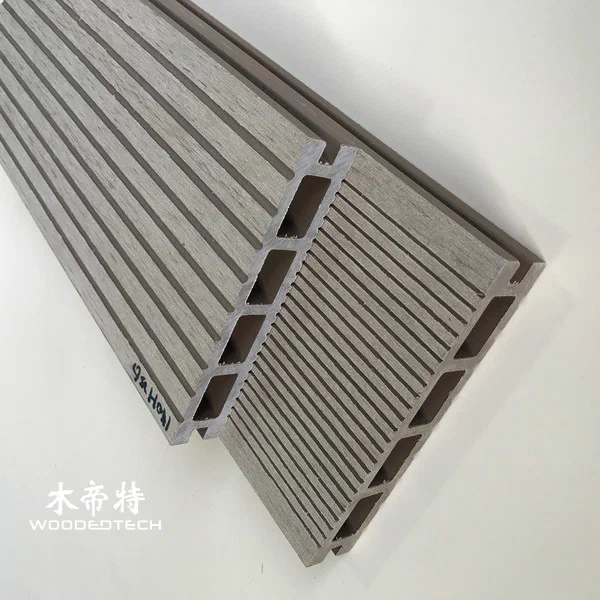
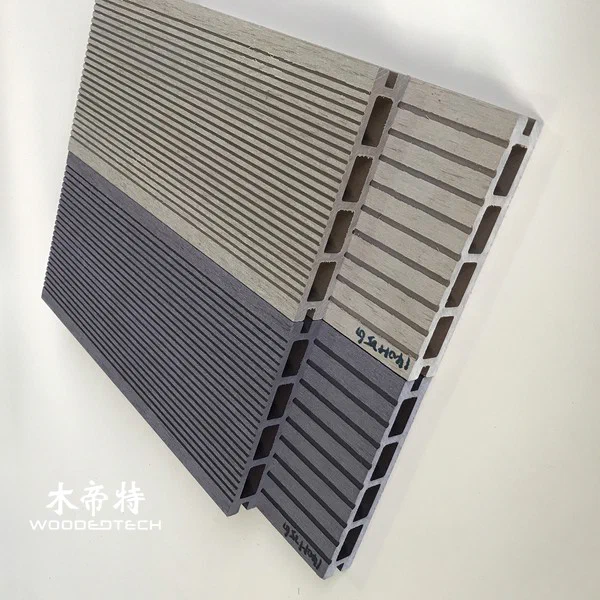
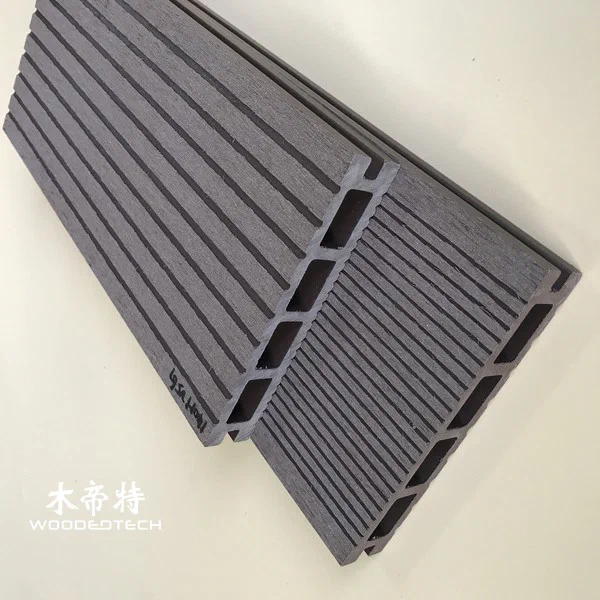
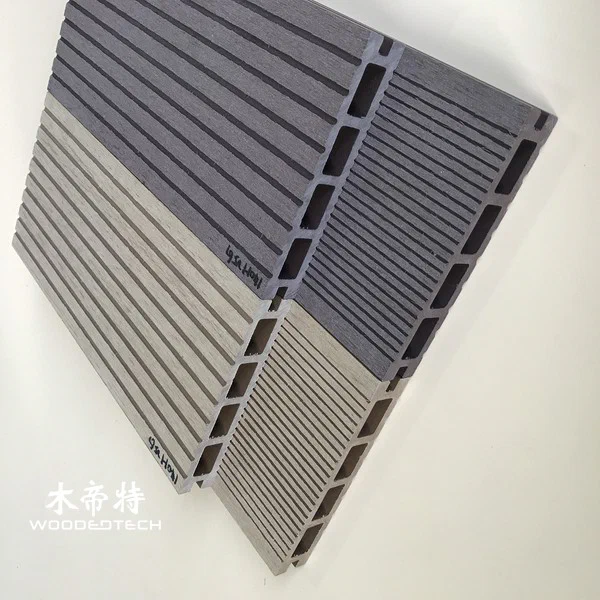
D14025-3 Composite Lumber for Decks Features a Classic Double Sided Groove Design with Excellent Value for Outdoor Projects
Discover how to design high-performance WPC formulas for outdoor applications like decking, cladding, and more.
| Payment | T/T in advance. Customized order: T/T, 50% prepayment, 50% balance before loading. |
|---|---|
| Transaction Terms | FOB, CIF, EXW, etc. |
| Samples | <30cm: samples for free. >30cm: samples order (the sample fee can be deducted when placing a container order later). |
| Length | For 20GP container, max length is 5.8 meters (longest); mostly 2.2 / 2.4 / 2.9 / 3.0 / 4.0 meters (recommended) or customized. |
Designing high-performance outdoor wood plastic composite (WPC) formulas requires a careful balance of various components to achieve optimal durability, aesthetic appeal, and cost-effectiveness. This article discusses the essential considerations for developing composite lumber for decks, wall cladding, fencing, pergolas, and landscape products, focusing on the classic double-sided groove design.
Key Components of WPC Formulation
The formulation of WPC involves a blend of wood fibers and plastic resin, where the ratio significantly impacts performance. Generally, a higher wood fiber content enhances the composite’s natural appearance and provides excellent mechanical properties. However, excessive wood fibers may lead to moisture absorption and reduced lifespan.
Typically, a balanced ratio of 50-70% wood fiber to 30-50% plastic is ideal for outdoor applications. This ratio allows for sufficient structural integrity while minimizing water-related issues. The selection of wood fiber type can also influence the final product, with options ranging from hardwoods to softer woods, each offering distinct benefits in terms of strength and aesthetics.
Role of Additives
Additives play a crucial role in enhancing the performance of WPC products. Common additives include UV stabilizers, anti-fungal agents, and colorants. UV stabilizers prevent fading and degradation caused by sun exposure, ensuring the product retains its visual appeal over time. Anti-fungal agents help protect against mold and mildew, which can compromise the structural integrity and appearance of the composite. Additionally, incorporating slip-resistant materials can improve safety, particularly in wet conditions.
Other additives, such as processing aids, can facilitate smoother manufacturing processes and enhance the overall quality of the finished product. Careful selection and precise formulation of these additives are essential for achieving a high-performance composite.
Cost Control Strategies
Cost control is a significant factor in WPC formulation development. While premium materials and additives can provide superior performance, they can also inflate production costs. To maintain competitiveness, manufacturers should focus on optimizing raw material sourcing and exploring bulk purchasing options.
Using recycled materials can also reduce costs while promoting sustainability, as recycled plastics and wood fibers can be incorporated into the composite formulation without compromising quality. This not only lowers material expenses but also appeals to environmentally conscious consumers.
Ensuring Product Lifespan
The longevity of WPC products is crucial for both consumer satisfaction and brand reputation. Factors influencing product lifespan include the quality of materials, formulation precision, and manufacturing techniques. Implementing rigorous testing protocols during the development phase can help identify weaknesses and ensure the final product meets durability standards.
Additionally, educating consumers on proper maintenance and care can extend the life of WPC products. Providing clear guidelines on cleaning and treatment can help users maximize the lifespan of their outdoor installations.
FAQ
Q: What is the ideal wood fiber to plastic ratio for WPC decking?
A: A balanced ratio of 50-70% wood fiber to 30-50% plastic is generally ideal for outdoor applications.
Q: How do additives enhance WPC performance?
A: Additives like UV stabilizers and anti-fungal agents improve durability, color retention, and resistance to mold, enhancing overall product performance.
Q: Can recycled materials be used in WPC formulations?
A: Yes, using recycled plastics and wood fibers can reduce costs and enhance sustainability without compromising the quality of the composite.
Related Products
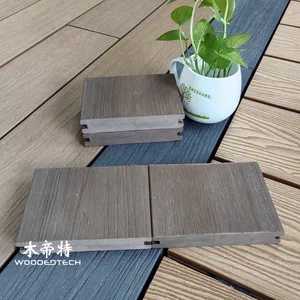 GD14025S Capped WPC Provides a Solid Board Structure for Better Load Bearing Performance and Reduced Space for Insects Inside the Board
 3D14025-2 3D Embossed Composite Decking Offers Customized Teak Color Options for Popular Outdoor Flooring Projects
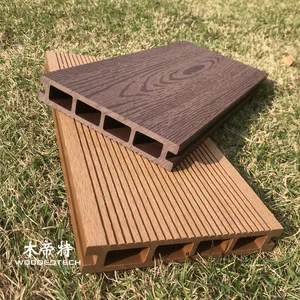 D14025-4 Composite for Decking Provides Stable Performance and Reliable Quality as a Popular Choice for Outdoor Projects
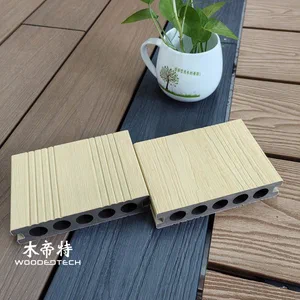 GD14030 Capped Wood Composite Decking Features an Extra Thick Structure for Greater Strength Stability and Long Term Outdoor Performance
Related Articles
Get a Free Quote
Interested in D14025-3 Composite Lumber for Decks Features a Classic Double Sided Groove Design with Excellent Value for Outdoor Projects? Fill in the form and we will reply within 24 hours.