
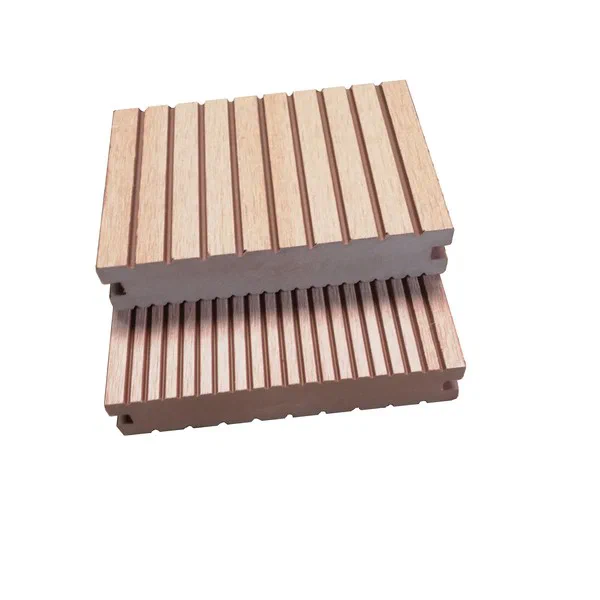
D13740S 40mm Thick Solid Composite Decking Material for Durable Outdoor Flooring Applications
Learn how WPC profile design, ribs, and surface patterns affect strength, weight, cost, and installation for durable outdoor decking.
| Payment | T/T in advance. Customized order: T/T, 50% prepayment, 50% balance before loading. |
|---|---|
| Transaction Terms | FOB, CIF, EXW, etc. |
| Samples | <30cm: samples for free. >30cm: samples order (the sample fee can be deducted when placing a container order later). |
| Length | For 20GP container, max length is 5.8 meters (longest); mostly 2.2 / 2.4 / 2.9 / 3.0 / 4.0 meters (recommended) or customized. |
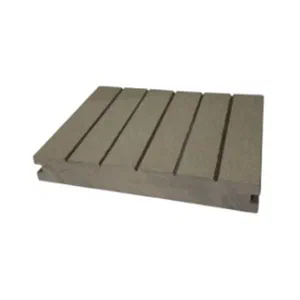
D13740S 40mm Thick Solid Composite Decking Material is designed for outdoor flooring where strength, stability, and long service life matter most. Its solid profile, structural ribs, and surface texture work together to deliver dependable performance in heavy-use decking projects.
How profile design affects performance
In WPC extrusion, the profile is the starting point for everything else. A 40mm solid decking section like D13740S offers a higher material volume than hollow boards, which improves load-bearing capacity, impact resistance, and screw-holding performance. That extra mass also helps reduce bounce underfoot, making it a better choice for commercial walkways, public platforms, and premium residential decks.
Hollow structures can reduce material use and lower unit cost, but they rely more heavily on internal geometry to stay stiff. They are useful when weight is a concern, yet they usually need tighter control over span limits and subframe spacing. Solid structures are simpler to engineer, easier to machine, and less sensitive to edge damage during cutting or drilling.
Why rib design matters inside the board
Ribs are not just for appearance. In hollow WPC profiles, ribs guide stress through the section and help prevent wall collapse. In solid or semi-solid profiles, ribbing can still be used to control shrinkage, improve dimensional stability, and support more uniform cooling during extrusion.
For a thick board such as D13740S, rib layout can also influence installation behavior. A well-designed internal structure reduces warping, improves fastening consistency, and helps the board stay flat across temperature changes. Poor rib design can lead to uneven stress, which shows up later as twisting, edge lift, or loose fasteners.
Surface patterns, grip, and visual value
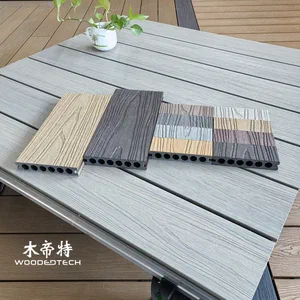
Surface pattern is the part customers notice first, but it also affects performance. Embossed grain, brushed textures, or groove patterns can improve slip resistance in wet environments. They also help hide light scratches, dust, and everyday wear, which is important for outdoor flooring that sees frequent foot traffic.
Deeper surface patterns can enhance the wood-like look, but they must be balanced against cleaning and mold release performance. For outdoor decks, a pattern that is too aggressive can trap dirt; a pattern that is too shallow may look plain and lose grip. The best design gives the board a natural appearance without making maintenance difficult.
Weight, cost, and installation trade-offs
Solid boards weigh more than hollow boards, so they require stronger handling and transport planning. That added weight also means more raw material, which raises cost, but it often pays back through better durability and fewer callbacks. Hollow boards are lighter and cheaper to ship, yet they may need more careful span design and more precise installation.
For installers, the right profile reduces labor. Solid decking is easier to cut cleanly, holds screws well, and is forgiving on site. In comparison, hollow profiles can require edge sealing or specific fixing methods, especially when the board ends are exposed. Choosing the right structure is not only a product decision; it is an installation decision.
FAQ
Q: Why choose a solid WPC decking board instead of a hollow one? A: Solid boards provide higher strength, better fastening performance, and greater resistance to impact. They are usually preferred for heavy-use outdoor flooring and premium projects.
Q: Do surface patterns affect safety? A: Yes, the right texture can improve slip resistance, especially in wet outdoor areas. The pattern should balance grip, appearance, and easy cleaning.
Q: Are hollow WPC boards always cheaper overall? A: Not always. They may cost less per board, but installation limits, span requirements, and lower impact resistance can affect total project cost.
Related Products
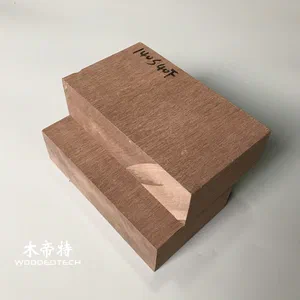 D14040-2S Square Solid Composite Deck Boards Without Side Grooves for Outdoor Decking
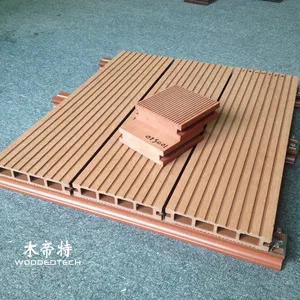 D10030S outdoor floor narrow board design offers an elegant appearance with solid structure and excellent load bearing performance
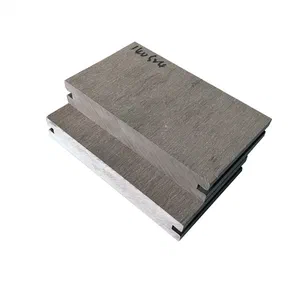 D14024S recycled wood decking boards feature double flat surfaces with customizable length and solid construction for outdoor applications
 D20025S composite deck provides an extra wide outdoor decking solution with classic solid construction
Related Articles
Get a Free Quote
Interested in D13740S 40mm Thick Solid Composite Decking Material for Durable Outdoor Flooring Applications? Fill in the form and we will reply within 24 hours.