


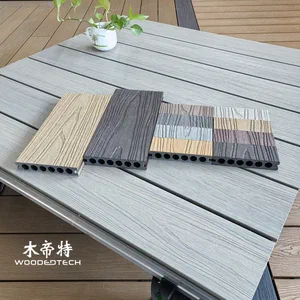
D13525-2 decking composite boards with square holes and flat surface support different wood ring grain embossing designs
Learn how square-hole and solid WPC decking profiles, rib design, and embossing affect strength, weight, cost, and installation.
| Payment | T/T in advance. Customized order: T/T, 50% prepayment, 50% balance before loading. |
|---|---|
| Transaction Terms | FOB, CIF, EXW, etc. |
| Samples | <30cm: samples for free. >30cm: samples order (the sample fee can be deducted when placing a container order later). |
| Length | For 20GP container, max length is 5.8 meters (longest); mostly 2.2 / 2.4 / 2.9 / 3.0 / 4.0 meters (recommended) or customized. |
D13525-2 decking composite boards with square holes and flat surface support different wood ring grain embossing designs are built to balance stiffness, weight, cost, and installation speed. For WPC profile design, the board geometry matters as much as the material blend, because the section shape controls how the deck performs in real use.
How profile design changes performance
A square-hole profile reduces material usage while keeping enough section depth for span support. Compared with a fully solid board, it lowers weight and material cost, making handling easier on site and reducing freight expense. For many projects, that is the practical middle ground between economy and structural reliability.
Solid structures deliver higher mass and better screw retention, so they are often chosen for heavy-duty areas, stair treads, or projects where installers want a more rigid feel underfoot. They also resist local deformation better, but they increase board weight and resin consumption, which pushes up cost. In short, solid boards trade efficiency for strength.
Hollow structure and rib design
The performance of a hollow board depends on the internal rib layout, not just the outer dimensions. Well-placed ribs prevent wall collapse, support top-surface loading, and improve dimensional stability during heat expansion. If the rib design is too thin or too sparse, the board may feel weak, flex more between joists, or deform around fasteners.
For D13525-2, the square-hole core is especially useful because it creates a stable load path while leaving enough space for material savings. This helps maintain consistent extrusion output and keeps the product competitive in composite decking boards pricing. It also gives manufacturers more control over density, which is important when matching a project’s target strength and installation requirements.
Surface pattern and embossing
A flat surface gives the board a clean appearance and makes different wood ring grain embossing designs easier to apply. Surface texture is not only visual: it affects slip resistance, cleaning effort, and how well the board hides light scratches. Deeper embossing can improve the natural wood look, but it must be balanced so the texture does not reduce coating uniformity or create weak points on capped or co-extruded finishes.
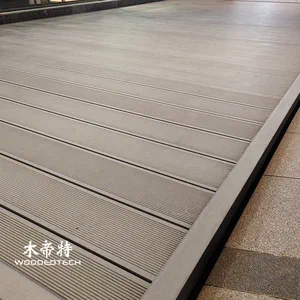
For outdoor decking, the right embossing pattern also improves user comfort. A properly designed grain depth adds traction without making the surface difficult to sweep or wash. That is why extrusion mold design must match the target market, from residential patio decks to commercial walkways.
Installation and total project value
Lighter hollow boards are easier to carry, cut, and align, which shortens installation time and reduces labor strain. Solid boards may need stronger substructures and more careful handling, but they can simplify fastening in high-load zones. Choosing the right profile is always a balance between performance, budget, and the expected installation environment.
FAQ
Q: Why use square holes in WPC decking boards? A: Square holes reduce weight and material usage while keeping the profile stable. They also help control cost without sacrificing too much strength.
Q: When is a solid WPC board the better choice? A: Solid boards are better for areas needing higher stiffness, stronger screw holding, or a more substantial underfoot feel. They are often used for stairs and heavy-use spaces.
Q: Does surface embossing affect board performance? A: Yes, embossing influences slip resistance, appearance, and cleaning behavior. The depth and pattern must be matched to the product’s structural design and intended use.
Related Products
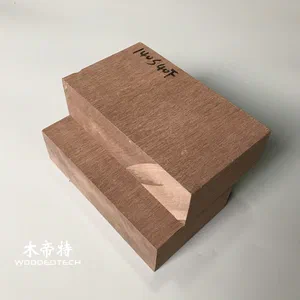 D14040-2S Square Solid Composite Deck Boards Without Side Grooves for Outdoor Decking
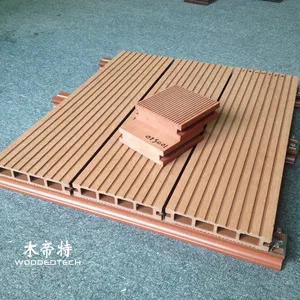 D10030S outdoor floor narrow board design offers an elegant appearance with solid structure and excellent load bearing performance
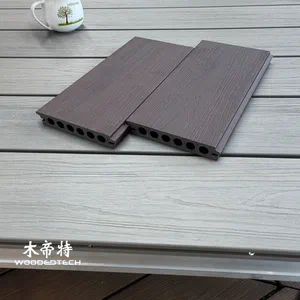 GD14522.5 co extrusion decking with seamless design is ideal for outdoor projects requiring precise gap control
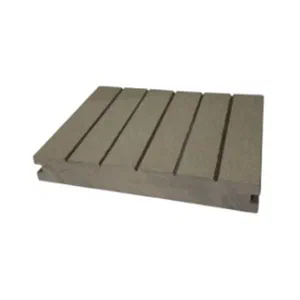 D20025S composite deck provides an extra wide outdoor decking solution with classic solid construction
Related Articles
Get a Free Quote
Interested in D13525-2 decking composite boards with square holes and flat surface support different wood ring grain embossing designs? Fill in the form and we will reply within 24 hours.