
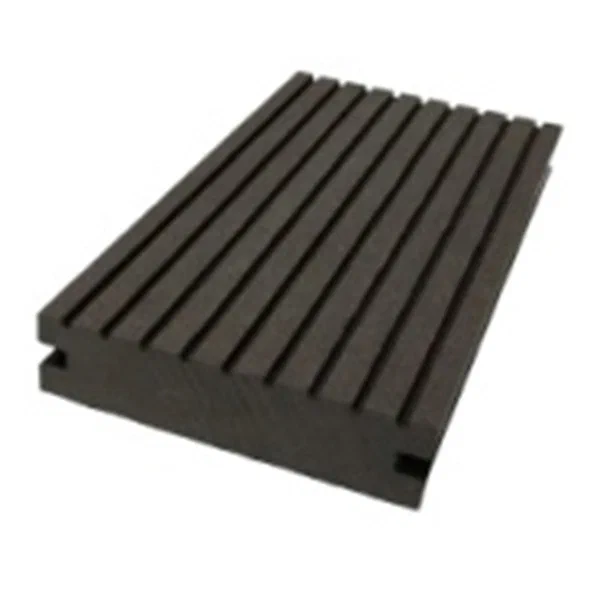
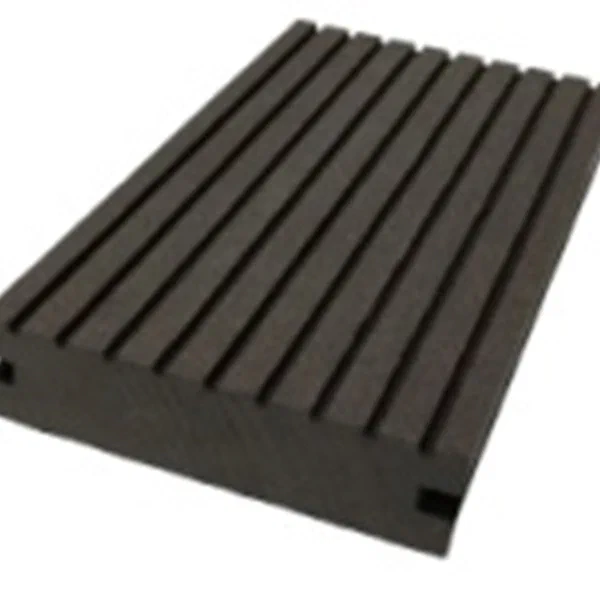
D10025S plastic wood look decking offers a narrow width solid design for versatile outdoor applications
Learn how D10025S solid WPC decking design affects strength, weight, cost, and installation performance for outdoor projects.
| Payment | T/T in advance. Customized order: T/T, 50% prepayment, 50% balance before loading. |
|---|---|
| Transaction Terms | FOB, CIF, EXW, etc. |
| Samples | <30cm: samples for free. >30cm: samples order (the sample fee can be deducted when placing a container order later). |
| Length | For 20GP container, max length is 5.8 meters (longest); mostly 2.2 / 2.4 / 2.9 / 3.0 / 4.0 meters (recommended) or customized. |
D10025S plastic wood look decking is a narrow-width solid WPC board designed for outdoor areas that need reliable strength, a clean look, and straightforward installation. Its profile shows how board shape, wall structure, ribs, and surface treatment work together to balance performance and cost.
Why profile design matters
In WPC extrusion, the profile is not just a shape; it is the main driver of mechanical performance and material use. A narrow-width board like D10025S spreads loads efficiently across the deck surface while keeping the visual scale refined, which is useful for patios, balconies, garden paths, and commercial walkways. Smaller widths also help installers manage layout, edging, and trimming with less waste.
Solid structure versus hollow structure
Solid profiles usually deliver better impact resistance, screw holding, and a more stable feel underfoot. That makes them a strong choice for projects where durability and a premium walking experience matter more than minimizing material.
Hollow profiles reduce weight and resin consumption, which can lower shipping and raw material costs. They are useful for large-area projects, but they need careful internal design to avoid weak points, especially around fasteners, ends, and concentrated loads. For narrow decking boards, a solid structure can be the safer option when the application demands simplicity and strength.
Rib design and load performance
Internal ribs are the hidden part of WPC design that controls stiffness without adding unnecessary material. Proper rib placement improves bending resistance and helps the board stay flat in heat and daily use.
Key rib design goals include:
- supporting the top surface against deflection
- reducing warping during cooling and service
- guiding material flow during extrusion
- improving nail or clip retention where needed
For a solid board like D10025S, ribs may be less visible than in hollow products, but the same engineering logic still applies to the underside geometry and density control. A well-designed cross section can improve performance without making the board heavier than necessary.
Surface pattern and installation results
Surface texture affects more than appearance. Wood-grain embossing, matte finishes, and anti-slip patterns can improve traction in wet outdoor conditions and reduce visible scratching over time. A narrow decking board with a realistic plastic wood look also creates a neater line pattern, which is helpful in modern outdoor designs.
Surface treatment influences installation too. A stable, consistent finish helps boards align cleanly, while precise dimensions reduce gaps, uneven seams, and onsite rework. For installers, that means faster laying speed and fewer adjustments.
Cost, handling, and project choice
Cost is always a balance between resin content, weight, durability, and processing complexity. Solid boards cost more per meter than hollow boards, but they often reduce maintenance risk and can be more economical over the full service life. For buyers comparing options, the right structure depends on traffic load, span spacing, climate, and the expected appearance over time.
FAQ
Q: Why choose a solid WPC decking board instead of a hollow one? A: Solid boards usually offer better strength, screw holding, and impact resistance. They are a practical choice for demanding outdoor applications and simpler installation.
Q: How does a narrow-width decking profile help installation? A: Narrow boards are easier to align, cut, and finish neatly around edges or curved layouts. They also create a refined visual effect with less material waste.
Q: What surface finish works best for outdoor WPC decking? A: A textured wood-grain or anti-slip surface is ideal for outdoor use because it improves traction and gives the deck a more natural appearance.
Related Products
 D20025S composite deck provides an extra wide outdoor decking solution with classic solid construction
 Custom Length Solid Composite Decking D14027S Multi-Color Options
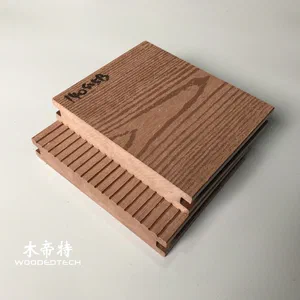 Solid WPC Decking D14025-2S: Commercial Grade Outdoor Flooring Solutions
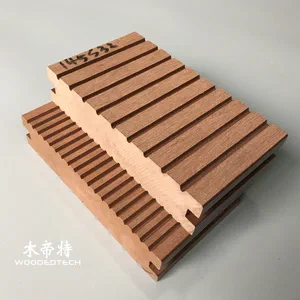 D14532S Solid Outdoor WPC Decking Delivers Premium Strength Durability and Long Service Life
Related Articles
Get a Free Quote
Interested in D10025S plastic wood look decking offers a narrow width solid design for versatile outdoor applications? Fill in the form and we will reply within 24 hours.