


3D15023 3D Embossed Composite Decking Uses S5 Grain Design to Create Better Slip Resistance and Unique Wood Appearance
Explore high-performance WPC formulations for decking, focusing on durability, aesthetics, and cost management with the S5 grain design for slip resistance.
| Payment | T/T in advance. Customized order: T/T, 50% prepayment, 50% balance before loading. |
|---|---|
| Transaction Terms | FOB, CIF, EXW, etc. |
| Samples | <30cm: samples for free. >30cm: samples order (the sample fee can be deducted when placing a container order later). |
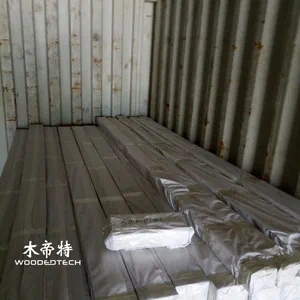
| Length | For 20GP container, max length is 5.8 meters (longest); mostly 2.2 / 2.4 / 2.9 / 3.0 / 4.0 meters (recommended) or customized. |
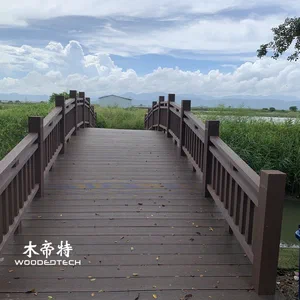
Designing high-performance outdoor wood plastic composite (WPC) formulas is essential for applications like decking, wall cladding, fencing, pergolas, and landscape products. The goal is to achieve a balanced composition that maximizes durability and aesthetics while controlling costs and ensuring product longevity.
Balancing Wood Fiber Content and Plastic Ratio
One of the primary considerations in WPC formulation is the ratio of wood fiber to plastic. Higher wood fiber content can enhance the natural appearance and texture of the composite, contributing to a more authentic wood-like finish. However, this must be balanced with the plastic ratio to maintain structural integrity and resistance to moisture, mold, and pests. A common ratio ranges from 30% to 70% wood fiber, depending on the desired characteristics and specific application.
Additives for Performance Enhancement
Incorporating additives is crucial to improve the performance of WPC products. Common additives include:
- UV Stabilizers: Protect against degradation from sunlight, ensuring color retention and longevity.
- Anti-slip Agents: Enhance surface traction, particularly important for decking products. The S5 grain design in 3D15023 is an example of how texture can be engineered to improve slip resistance.
- Colorants and Pigments: Provide aesthetic versatility and help achieve the desired visual appeal.
- Compatibility Agents: Improve the bond between wood fibers and plastic, enhancing overall structural performance.
The right combination of these additives can significantly impact the product’s lifespan and appearance.
Cost Control Strategies
Maintaining an economical production process is vital for WPC manufacturers. Strategies to control costs include sourcing raw materials efficiently, optimizing production techniques, and leveraging bulk purchasing for additives and fillers. Additionally, developing formulations that require less expensive plastic types without sacrificing quality can help keep overall costs down.
Longevity and Sustainability
Lastly, the longevity of WPC products is influenced by their formulation. Products designed with durability in mind, featuring appropriate ratios of wood and plastic, effective additives, and protective coatings, can last for decades. Sustainable practices, such as using recycled materials in formulations, not only benefit the environment but can also enhance the marketability of the product.
FAQ
Q: What is the ideal wood fiber to plastic ratio for WPC decking?
A: The ideal ratio typically ranges from 30% to 70% wood fiber, depending on the desired durability and aesthetic qualities.
Q: How does the S5 grain design improve slip resistance?
A: The S5 grain design enhances surface texture, providing better traction and reducing the risk of slips on wet surfaces.
Q: What additives are commonly used in WPC formulations?
A: Common additives include UV stabilizers, anti-slip agents, colorants, and compatibility agents to enhance performance and appearance.
Related Products
 3D14025-2 3D Embossed Composite Decking Offers Customized Teak Color Options for Popular Outdoor Flooring Projects
 3D14025 Embossed WPC Decking Features Classic Four Square Holes and Long Lasting 3D Wood Grain Texture
 Embossed Decking 3D15023 Red Wood Is a Popular Hot Selling Style Widely Used in Outdoor Flooring Markets
 3D14024S solid 3D embossed flooring wpc eco decking provides durable outdoor flooring solutions with natural wood texture
Related Articles
Get a Free Quote
Interested in 3D15023 3D Embossed Composite Decking Uses S5 Grain Design to Create Better Slip Resistance and Unique Wood Appearance? Fill in the form and we will reply within 24 hours.