


3D14025-2 3d flooring with six round holes and embossed surface design is widely exported worldwide for outdoor applications
Learn how WPC profile shape, hollow cavities, ribs, and embossed surfaces affect strength, weight, cost, and installation performance.
| Payment | T/T in advance. Customized order: T/T, 50% prepayment, 50% balance before loading. |
|---|---|
| Transaction Terms | FOB, CIF, EXW, etc. |
| Samples | <30cm: samples for free. >30cm: samples order (the sample fee can be deducted when placing a container order later). |
| Length | For 20GP container, max length is 5.8 meters (longest); mostly 2.2 / 2.4 / 2.9 / 3.0 / 4.0 meters (recommended) or customized. |
3D14025-2 3D flooring with six round holes and an embossed surface design is built for outdoor use where strength, drainage, and stable installation all matter. Its profile shows how a well-designed WPC extrusion mold can balance load-bearing performance, material savings, and a clean finished appearance for global export projects.
How profile design affects performance
In WPC extrusion, the profile is never just a shape. Width, thickness, cavity layout, and surface treatment all change how the product carries load, resists bending, and feels underfoot. For outdoor flooring, a profile like 3D14025-2 needs enough stiffness for traffic, but it also has to stay practical for shipping, cutting, and fastening.
A deeper profile can improve rigidity, while controlled wall thickness helps avoid unnecessary material use. That is why profile design is the first step in balancing strength and cost. When the section is engineered correctly, the board performs better without becoming overly heavy or expensive.
Hollow structure, solid structure, and rib design
Hollow WPC flooring is popular because it reduces weight and lowers resin and fiber consumption. The six round holes in this design help cut material cost and make handling easier during installation. They also support faster cooling during extrusion, which can improve line efficiency and dimensional stability.
Solid structures offer higher impact resistance and a more substantial feel, but they use more material and increase transport cost. They are often preferred for heavy-duty applications or areas with concentrated loading. For most outdoor flooring projects, a well-optimized hollow board with internal ribs gives the best balance.
Rib design is what makes hollow profiles work. Internal ribs reinforce the top and bottom faces, reduce collapse risk, and control deflection. If ribs are too thin, the board may feel weak. If they are too heavy, the profile loses the cost advantage of being hollow. Good mold design keeps the rib layout efficient and consistent.
Surface pattern and installation performance
The embossed surface is more than a decoration. It improves slip resistance, hides minor wear, and gives the board a natural wood-like appearance that buyers expect in outdoor applications. For export markets, this kind of texture also helps the product stand out visually without adding separate finishing steps.
Surface pattern can affect installation too. A stable, evenly embossed face is easier to align and less likely to show minor scratches from transport or cutting. When the profile is designed with proper groove depth and consistent texture, installers get a cleaner result and end users get better long-term appearance.
Why this design exports well worldwide
Global buyers look for flooring that is light enough to handle, strong enough for outdoor use, and cost-effective in container shipments. The 3D14025-2 profile fits these needs because the hollow section reduces weight, the ribs support strength, and the embossed finish adds market value. That combination is especially useful for terraces, balconies, walkways, gardens, and commercial outdoor spaces.
For WPC manufacturers, the mold must control shrinkage, wall balance, and surface detail at the same time. When those elements are matched correctly, the profile runs smoothly, installs efficiently, and meets different market expectations with fewer revisions.
FAQ
Q: Why are hollow WPC flooring profiles often preferred for outdoor use? A: They reduce weight and material cost while still providing enough stiffness for many exterior applications. Proper rib design helps keep the structure strong and stable.
Q: What is the main benefit of an embossed surface on WPC flooring? A: It improves slip resistance and gives the board a more attractive wood-like look. It also helps mask everyday wear in outdoor environments.
Q: How does mold design affect WPC flooring quality? A: Mold design controls profile accuracy, wall balance, and surface consistency. A well-designed mold improves extrusion stability and final product performance.
Related Products
 D13525-2 decking composite boards with square holes and flat surface support different wood ring grain embossing designs
 L200105 WPC beams with super large dimensions provide reliable structural support for spacious outdoor pergola and landscape designs
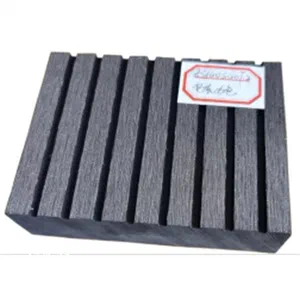 D14040-3S 40mm Thick Square Solid Plastic Wood Composite Flooring Without Side Grooves
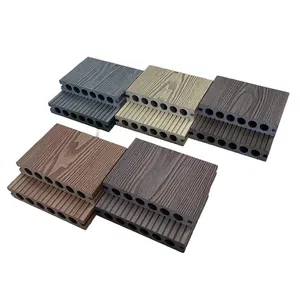 3D14025-2-SW dark grey waterproof flooring that looks like wood features round holes strong support clear wood grain and beautiful 3D effects
Related Articles


Get a Free Quote
Interested in 3D14025-2 3d flooring with six round holes and embossed surface design is widely exported worldwide for outdoor applications? Fill in the form and we will reply within 24 hours.