


wpc fence with aluminum structural systems creates more attractive and reliable outdoor fence designs
Learn how WPC fence systems with aluminum structure improve durability, appearance, and low-maintenance performance in outdoor landscape projects.
| Payment | T/T in advance. Customized order: T/T, 50% prepayment, 50% balance before loading. |
|---|---|
| Transaction Terms | FOB, CIF, EXW, etc. |
| Samples | <30cm: samples for free. >30cm: samples order (the sample fee can be deducted when placing a container order later). |
| Length | For 20GP container, max length is 5.8 meters (longest); mostly 2.2 / 2.4 / 2.9 / 3.0 / 4.0 meters (recommended) or customized. |
WPC fence systems with aluminum structural support give architects and landscape designers a practical way to build outdoor boundaries that look refined and hold up in demanding conditions. The WPC surface delivers the warm, timber-like appearance clients want, while the aluminum frame improves strength, alignment, and long-term reliability.
Why the system works
For landscape projects, the fence is not only a boundary. It affects privacy, wind control, maintenance planning, and the visual order of the whole site. A WPC fence with aluminum structural systems performs well because the two materials solve different problems: WPC resists moisture, fading, and routine wear, while aluminum provides a stable substructure that reduces movement and helps panels stay true over time.
This combination is especially useful in commercial courtyards, residential estates, resorts, and public spaces where appearance matters but upkeep budgets are limited. Compared with traditional timber, the system avoids many of the issues linked to swelling, warping, cracking, and repainting. Compared with fully exposed metal fencing, it offers a softer architectural finish that integrates better with planting, paving, and facade materials.
Project considerations
Design decisions should start with site exposure. Wind load, salt air, intense sun, and uneven ground all affect fence performance, so the structural spacing, post size, and fixing method need to match the environment. If the project is in a coastal or high-humidity location, corrosion resistance is critical, which makes coated aluminum and quality fasteners a better choice.
Height, privacy level, and panel orientation should also be set early in the design process. Solid boards give stronger screening, while slatted layouts can reduce wind pressure and create a lighter look. Designers should also coordinate fence color with surrounding hardscape and building materials so the result feels deliberate rather than added later as a separate item.
Material selection advice
Material selection should balance appearance, performance, and availability. For projects with strict maintenance requirements, capped or co-extrusion WPC boards are often the better option because they offer stronger surface protection and better color stability. For simpler installations, standard WPC may still be suitable if the site conditions are moderate and routine cleaning is acceptable.
Aluminum framing should be selected with the same care. The profile must support the chosen panel format without excessive deflection, and the connection details should allow for thermal movement. Good detailing at the base is also important, especially where drainage, soil contact, or irrigation overspray may affect the fence line.
Design value in landscape work
A well-designed WPC and aluminum fence does more than enclose space. It creates rhythm, frames circulation routes, improves privacy, and helps outdoor areas feel finished. Architects often use it as a unifying edge element across terraces, pools, garden rooms, and service zones, because it delivers a consistent visual language with lower maintenance than painted timber.
FAQ
Q: Why use aluminum behind WPC fence boards? A: Aluminum improves structural stability, especially for taller fences or exposed sites. It helps the system stay straight and reduces the risk of movement over time.
Q: Is a WPC fence suitable for coastal projects? A: Yes, provided the aluminum components and fixings are specified for corrosion resistance. Coastal projects need careful detailing and material quality control.
Q: What is the main advantage of WPC over wood for fencing? A: WPC needs less maintenance and is more resistant to moisture-related damage. It keeps a more consistent appearance in outdoor conditions.
Related Products
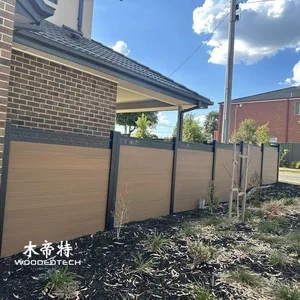 Beautiful Aluminum Structure fence with wood plastic panel Infills
 wood deck plastic fence combined with aluminum systems provides lighter and stronger installation solutions
 wood polymer composite fence becomes more stable and durable with aluminum post support systems
 wpc composite fence panels perfectly match aluminum post systems for stronger outdoor fencing solutions
Related Articles

Get a Free Quote
Interested in wpc fence with aluminum structural systems creates more attractive and reliable outdoor fence designs? Fill in the form and we will reply within 24 hours.