


wpc fence boards work with aluminum post systems to make outdoor fence installation easier and more efficient
Step-by-step WPC installation guidance for decking, wall cladding, and fence boards used with aluminum post systems.
| Payment | T/T in advance. Customized order: T/T, 50% prepayment, 50% balance before loading. |
|---|---|
| Transaction Terms | FOB, CIF, EXW, etc. |
| Samples | <30cm: samples for free. >30cm: samples order (the sample fee can be deducted when placing a container order later). |
| Length | For 20GP container, max length is 5.8 meters (longest); mostly 2.2 / 2.4 / 2.9 / 3.0 / 4.0 meters (recommended) or customized. |
WPC fence boards paired with aluminum post systems create a clean, durable, and efficient fencing solution for outdoor projects. This guide explains how to install WPC decking and wall cladding systems with the same practical method used on fence builds: prepare the frame correctly, fix the boards with the right hardware, leave proper movement gaps, and finish with simple maintenance that keeps the surface stable and neat.
Site Preparation and Subframe
Start by checking the layout, finished height, and drainage line before any fixing begins. For decking, use a level subframe with joists spaced to match the board profile and manufacturer recommendation; for wall cladding, install a straight batten or carrier system so the finished face stays flat and true. Aluminum post systems help because they hold alignment well, resist corrosion, and reduce movement at the fence line.
Set posts and subframes on a firm base. Make sure the structure is square, level, and anchored to the correct depth or fixing point for the site. If the ground is uneven, correct the base first rather than forcing the boards to compensate later.
Board Handling and Cutting
Store WPC boards flat and dry before installation. Cut with a fine-tooth carbide blade to reduce chipping, and support the board fully while cutting. Mark every cut clearly, especially around corners, end returns, outlets, and post details.
When cutting fence boards for aluminum posts, keep ends clean and consistent so caps, trims, or cover profiles sit properly. For wall cladding, pre-plan the joint positions so short offcuts are avoided where possible.
Fixing Method
Use the fixing method recommended for the specific board profile. Hidden clips are common for decking, while cladding may use clips, screws through the tongue or flange, or concealed fastening strips depending on the system. Do not overtighten fasteners; WPC needs secure fixing, but it also needs room to move slightly with temperature changes.
With fence boards and aluminum posts, insert each board into the post groove or rail system with equal seating on both sides. Check every course as you go. A small error at the start becomes obvious at the top of the run.
Expansion Gaps and Movement
Leave expansion gaps at board ends, between board faces and fixed edges, and around openings. WPC expands and contracts more than many people expect, especially in direct sun. The exact gap depends on board length, color, and local temperature, so follow the product data rather than guessing.
At corners, wall terminations, and fence posts, avoid hard contact. Use trim pieces or designed spacing to keep the system clean without locking it tight.
Maintenance Tips
Clean the surface with water and a soft brush on a regular basis. Remove dust, leaves, and staining before they settle into the texture. Avoid harsh solvents, metal scrapers, and pressure washing too close to the surface.
Inspect fasteners, end caps, and post connections after the first season and again before winter. A well-installed WPC fence, deck, or cladding system should stay stable with only light routine care.
FAQ
Q: Can the same installation principles be used for WPC decking and wall cladding? A: Yes. The base structure, fixing discipline, cutting method, and expansion control are very similar, even though the profiles and fasteners may differ.
Q: Why are aluminum posts useful for WPC fence boards? A: Aluminum posts hold alignment well, resist rust, and make the fence easier to install in straight runs. They also give the board system a cleaner and more durable support line.
Q: Do WPC boards need expansion gaps? A: Yes. Gaps are necessary to allow for thermal movement and to prevent bowing, buckling, or pressure damage over time.
Related Products
 wood polymer composite fence becomes more stable and durable with aluminum post support systems
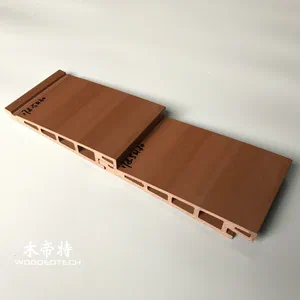 Q178.530 Slanted Stack WPC Cladding Panels for Better Moisture Resistance on Exterior Walls
 F7022 wpc panel design solid square bar can be used for fences and various outdoor decorative applications
 wpc composite fence panels perfectly match aluminum post systems for stronger outdoor fencing solutions
Related Articles


Get a Free Quote
Interested in wpc fence boards work with aluminum post systems to make outdoor fence installation easier and more efficient? Fill in the form and we will reply within 24 hours.