


wood deck plastic fence combined with aluminum systems provides lighter and stronger installation solutions
Learn how WPC profile shape, hollow and solid structures, ribs, and surface patterns affect fence strength, weight, cost, and installation.
| Payment | T/T in advance. Customized order: T/T, 50% prepayment, 50% balance before loading. |
|---|---|
| Transaction Terms | FOB, CIF, EXW, etc. |
| Samples | <30cm: samples for free. >30cm: samples order (the sample fee can be deducted when placing a container order later). |
| Length | For 20GP container, max length is 5.8 meters (longest); mostly 2.2 / 2.4 / 2.9 / 3.0 / 4.0 meters (recommended) or customized. |
wood deck plastic fence combined with aluminum systems provides lighter and stronger installation solutions
A wood deck plastic fence combined with aluminum systems is designed to balance strength, weight, and installation speed. For outdoor projects, the real advantage comes from profile engineering: the section shape, internal structure, rib layout, and surface treatment all affect how the fence performs in service and how efficiently it can be installed.
How profile design changes performance
WPC extrusion mold design starts with the profile. A wider profile can improve visual coverage and stiffness, while a slimmer profile reduces material use and lowers cost. The profile also determines how well the product interfaces with aluminum posts, rails, and brackets, which matters for alignment, wind resistance, and consistent assembly.
When the profile is designed around the connection system instead of only appearance, installation becomes easier. That means fewer adjustments on site, cleaner joints, and less risk of warping or uneven gaps after installation.
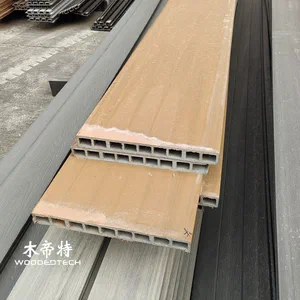
Hollow structures are usually preferred when weight control is important. They reduce material consumption, lower transport cost, and make handling easier for installers. The tradeoff is that hollow sections must be reinforced carefully with ribs and wall thickness control, or they can lose rigidity under load.
Solid structures offer higher mass and better impact resistance. They are useful where the fence needs a more substantial feel or where short spans and higher abuse resistance are required. The downside is clear: more material, higher cost, and greater load on posts and foundations.
Why ribs matter
Ribs are the hidden part of the design that often decides whether a profile feels weak or dependable. Proper rib placement raises bending resistance without making the section unnecessarily heavy. In a fence system, ribs also help control screw holding, reduce local deformation around fasteners, and support long-term dimensional stability.
For aluminum-assisted systems, rib design should work with the metal frame, not fight it. A well-matched rib structure allows the composite profile to stay light while the aluminum provides the main structural support. That combination is usually more efficient than making the WPC section overly thick.
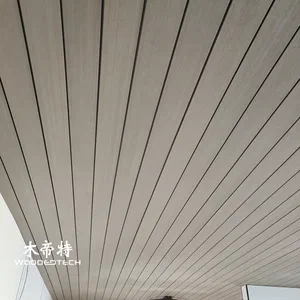
Surface patterns also affect performance, not just appearance. Embossed grain, brushed textures, and anti-slip finishes can improve product value and help hide scratches, fading, or minor installation marks. A more aggressive texture may increase grip and visual depth, but it can also raise mold complexity and slow down production.
A smoother surface is easier to clean and usually cheaper to produce. A deeper decorative pattern can improve market appeal, especially for visible fencing applications, but the pattern should be matched to the intended use, climate, and maintenance expectations.
Cost and installation balance
From a mold design perspective, the best profile is not always the heaviest or the most decorative. It is the one that uses material efficiently, supports reliable extrusion, and fits the installation system with minimal labor. Hollow profiles reduce cost, solid profiles increase robustness, and ribbed hybrid designs often give the best balance for modern wood deck plastic fence applications with aluminum components.
FAQ
Q: Why use aluminum with WPC fence profiles? A: Aluminum improves structural support without adding much weight. It helps the fence stay straighter and makes installation more predictable.
Q: Are hollow WPC profiles strong enough for outdoor fencing? A: Yes, when the wall thickness, ribs, and connection points are designed correctly. They work well for many fencing systems where weight reduction matters.
Q: Do surface patterns affect durability? A: They can. A good texture improves appearance and can help disguise wear, but the pattern must be engineered so it does not weaken the profile or complicate production.
Related Products
 F19025 solid square can be used for various woodworking processing applications with wpc panel sheet
 F30071 extra wide and thick solid square board allows one step with one board and few wpc factory can produce this size
 T4040 is an uncommon L shape right angle decorative edge trim used for wpc panel outdoor applications
 wpc fence with aluminum structural systems creates more attractive and reliable outdoor fence designs
Related Articles
Get a Free Quote
Interested in wood deck plastic fence combined with aluminum systems provides lighter and stronger installation solutions? Fill in the form and we will reply within 24 hours.