


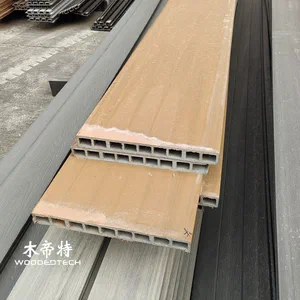
T4040 is an uncommon L shape right angle decorative edge trim used for wpc panel outdoor applications
Learn how WPC profile shape, ribs, hollows, and surface finish affect strength, cost, weight, and installation in outdoor edge trim.
| Payment | T/T in advance. Customized order: T/T, 50% prepayment, 50% balance before loading. |
|---|---|
| Transaction Terms | FOB, CIF, EXW, etc. |
| Samples | <30cm: samples for free. >30cm: samples order (the sample fee can be deducted when placing a container order later). |
| Length | For 20GP container, max length is 5.8 meters (longest); mostly 2.2 / 2.4 / 2.9 / 3.0 / 4.0 meters (recommended) or customized. |
T4040 is an uncommon L shape right angle decorative edge trim used for wpc panel outdoor applications, and its performance depends on the same profile decisions that shape every WPC extrusion part. For this type of trim, wall thickness, hollow layout, rib placement, and surface finish all affect strength, material use, cost, and how cleanly it installs on site.
Profile Design Matters
In WPC extrusion mold design, a profile is not just a shape. It is a balance between stiffness, shrinkage control, die flow, and the finished installation result. An L shape edge trim like T4040 needs enough section stability to hold a straight corner, while still staying light enough for easy handling and economical production.
Hollow structures reduce weight and lower resin consumption, which helps cost control for long runs. They also make the profile easier to cut and move, but the cavity design must be managed carefully. If the walls are too thin or uneven, the trim can twist, lose corner accuracy, or feel weak at fastening points.
Solid vs. Hollow
Solid structures give better impact resistance and a heavier feel, which can be useful where the edge trim is exposed to abuse or frequent contact. They are simpler to design from a structural point of view, but they use more material and raise extrusion cost. For outdoor WPC panel accessories, that extra mass is not always necessary.
Hollow profiles usually offer the best value when the product is decorative and functional at the same time. The key is to keep the load paths clear. A good mold design uses internal support walls and balanced flow channels so the extrusion cools evenly and keeps the L angle stable.
Rib Design and Fastening Performance
Ribs are one of the most important details in a WPC trim profile. They increase stiffness without adding much weight, and they help control bending in the long leg and short leg of the L shape. Proper rib placement also supports screw retention and reduces deformation around clips or adhesive contact zones.
Poor rib design creates problems quickly. Too many ribs can slow cooling and make the profile harder to fill. Too few ribs leave the trim flexible, which hurts installation accuracy and can open visible gaps at corners. For outdoor wall and panel edge trim, ribs should support the profile where installers actually need holding power, not just where the cross section looks stronger on paper.
Surface Pattern and Finish
Surface pattern affects more than appearance. Embossed or wood-grain textures can hide minor extrusion marks and reduce the visual impact of scratches. A smoother finish is easier to clean, but it may show more defects and feel less integrated with the surrounding WPC panel.
For outdoor applications, the surface must also support weather resistance and consistent color behavior. A stable texture helps the trim look aligned with the wall panel system, especially when the edge piece is used as a visible transition at corners, ends, or frames.
Why T4040 Needs Careful Design
An uncommon L shape decorative edge trim has less room for error than a standard flat profile. The right design should keep the angle crisp, the weight manageable, and the installation simple. That is why WPC extrusion mold design must consider structure, material flow, and finishing together, not as separate steps.
FAQ
Q: Why use a hollow structure for WPC edge trim? A: Hollow designs reduce weight and material use while keeping the profile practical for outdoor panel installation. The cavity layout must still support straightness and corner stability.
Q: Do ribs always make a WPC profile stronger? A: Ribs improve stiffness when they are placed correctly, but excessive ribs can hurt flow and cooling. The best design uses only the support needed for the intended load and fastening points.
Q: How does surface texture affect outdoor WPC trim? A: Texture improves appearance, helps hide small marks, and can make the trim match the panel system better. It also influences how the product behaves visually after weather exposure.
Related Products
 L12070 wpc pergola beams are suitable for creating various outdoor pergola styles with flexible structural applications
 F19025 solid square can be used for various woodworking processing applications with wpc panel sheet
 F30071 extra wide and thick solid square board allows one step with one board and few wpc factory can produce this size
 wood deck plastic fence combined with aluminum systems provides lighter and stronger installation solutions
Related Articles
Get a Free Quote
Interested in T4040 is an uncommon L shape right angle decorative edge trim used for wpc panel outdoor applications? Fill in the form and we will reply within 24 hours.