


T12149 is used as outdoor plastic wood gazebo ridge tile board with wpc lumber for exterior structures
Learn how WPC profile design, hollow and solid structures, ribs, and surface patterns affect strength, weight, cost, and installation.
| Payment | T/T in advance. Customized order: T/T, 50% prepayment, 50% balance before loading. |
|---|---|
| Transaction Terms | FOB, CIF, EXW, etc. |
| Samples | <30cm: samples for free. >30cm: samples order (the sample fee can be deducted when placing a container order later). |
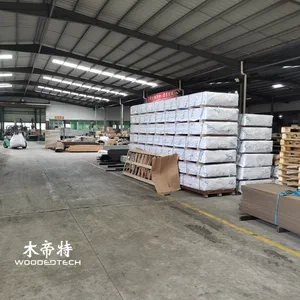
| Length | For 20GP container, max length is 5.8 meters (longest); mostly 2.2 / 2.4 / 2.9 / 3.0 / 4.0 meters (recommended) or customized. |
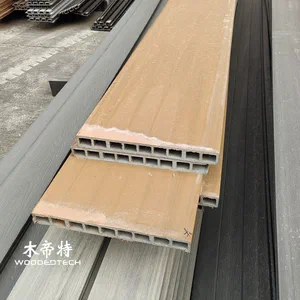
T12149 is a WPC extrusion profile designed for outdoor gazebo ridge tile boards and other exterior structures where weather resistance, stable geometry, and practical installation matter. Its performance depends not only on material formulation, but also on the profile shape, wall thickness, internal rib layout, and surface finish.
Profile Design and Structural Behavior
For a ridge tile board used at the top of a gazebo roof, profile design controls how well the part spans, locks, and sheds water. A wider profile can improve coverage and reduce joint count, while a more compact profile may be easier to align on angled roof lines. The design must also account for thermal movement, screw retention, and the way the board interfaces with adjacent WPC lumber members.
Hollow vs. Solid Structures
Hollow WPC profiles are widely used when weight reduction is important. They lower material consumption, make handling easier on site, and reduce transport cost. In gazebo applications, that can simplify overhead installation and reduce load on the supporting frame. The tradeoff is that hollow sections need careful rib design to preserve bending strength and resistance to local denting.
Solid structures are heavier and use more raw material, but they usually deliver better screw holding, greater impact resistance, and a more substantial feel. For high-stress edges, connector zones, or parts that must resist concentrated load, solid or partially solid profiles can be the better choice. In practice, many exterior systems use a hybrid approach: hollow in low-load areas, reinforced or solid where fasteners and joints concentrate force.
Rib Design and Internal Reinforcement
Internal ribs are the backbone of an efficient WPC extrusion mold design. They increase stiffness without adding the full weight of a solid section, which improves the strength-to-weight ratio. Proper rib spacing helps the profile resist sagging, twisting, and deformation during installation and long-term outdoor exposure.
Ribs also improve process stability in extrusion. They help control cooling, limit shrinkage distortion, and keep dimensions consistent across long runs. If the rib pattern is too sparse, the profile may flex excessively. If it is too dense, the part can become harder to cool uniformly and more expensive to produce. The best rib design balances performance, moldability, and cycle efficiency.
Surface Patterns and Installation Performance
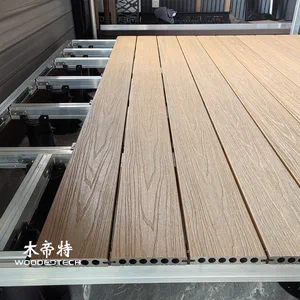
Surface texture affects more than appearance. Wood grain, embossed, or lightly grooved finishes can improve visual realism and help hide scratches, but they also influence cleaning, slip behavior, and perceived quality. For outdoor ridge tile boards and visible structural members, a controlled surface pattern gives the project a cleaner architectural line while keeping maintenance low.
Patterning also impacts installation. A consistent surface and precise extrusion dimensions make cutting, fastening, and alignment more predictable. For exterior WPC structures, that means fewer site adjustments, tighter joints, and better fit across repeated modules. When the profile is used with WPC lumber for pergolas, gazebos, or ridge details, dimensional stability is as important as strength.
Cost, Weight, and Practical Selection
Material use drives cost. Hollow and ribbed designs usually reduce resin consumption and shipping weight, which lowers total project cost. Solid profiles cost more but may reduce callbacks where higher rigidity or fastening performance is needed. The right choice depends on span length, expected wind load, installation method, and the visible role of the component in the structure.
FAQ
Q: Why use a hollow WPC profile for gazebo ridge boards? A: It reduces weight and material cost while still providing adequate stiffness when the internal ribs are designed correctly.
Q: When is a solid WPC profile better? A: Solid profiles are better for load-bearing edges, fastener zones, and applications that need higher impact resistance or stronger screw holding.
Q: Does surface pattern affect performance or only appearance? A: It affects both. Texture changes how the part looks, how it hides wear, and sometimes how it behaves under foot or during cleaning.
Related Products
 F30071 extra wide and thick solid square board allows one step with one board and few wpc factory can produce this size
 F5030 outdoor solid square decorative bar is widely used for garden products and decking composite joists
 Φ200 extra large round column is rarely produced by manufacturers with technology for fake wood plastic outdoor structures
 L200105 WPC beams with super large dimensions provide reliable structural support for spacious outdoor pergola and landscape designs
Related Articles
Get a Free Quote
Interested in T12149 is used as outdoor plastic wood gazebo ridge tile board with wpc lumber for exterior structures? Fill in the form and we will reply within 24 hours.