


F7022 wpc panel design solid square bar can be used for fences and various outdoor decorative applications
Learn how WPC profile design, ribs, hollow or solid sections, and surface patterns affect strength, cost, and installation.
| Payment | T/T in advance. Customized order: T/T, 50% prepayment, 50% balance before loading. |
|---|---|
| Transaction Terms | FOB, CIF, EXW, etc. |
| Samples | <30cm: samples for free. >30cm: samples order (the sample fee can be deducted when placing a container order later). |
| Length | For 20GP container, max length is 5.8 meters (longest); mostly 2.2 / 2.4 / 2.9 / 3.0 / 4.0 meters (recommended) or customized. |
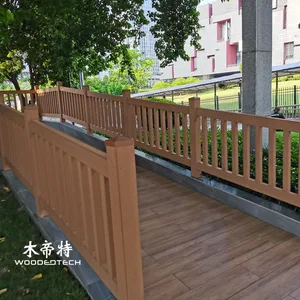
F7022 WPC panel design in a solid square bar format is well suited for fences and outdoor decorative applications because the profile can be tuned for strength, appearance, and installation efficiency at the same time. For a project like this, the section shape matters as much as the material blend, since the profile controls stiffness, weight, fastener behavior, and long-term stability in outdoor service.
How profile design affects performance
In WPC extrusion, the cross-section is the main engineering decision. A square bar profile gives a clean, structured look and works well when the product must read as a visible architectural element, not just a hidden support part. The profile width, wall thickness, corner radius, and internal reinforcement all change how the bar handles load, sun exposure, and fixing during installation.
Hollow structures reduce material use and lower shipping weight. They are usually more cost-efficient and easier to handle on site, but they need careful rib design to avoid distortion, local buckling, or excessive flex. Solid structures, by contrast, give higher impact resistance, better screw-holding performance, and a more substantial feel. For fence members and decorative bars that may face wind, accidental knocks, or repeated fastening, solid profiles often provide a better safety margin.
Solid, hollow, and ribbed sections
A solid square bar is typically chosen when the design must prioritize strength and straightforward installation. It is less sensitive to fastening errors and can tolerate more aggressive cutting, drilling, and end finishing. The tradeoff is higher resin and fiber consumption, which raises weight and material cost.
Hollow profiles are useful when the goal is to reduce cost per meter and improve installation speed. They are common in cladding and screening systems where the structural demand is moderate. Their performance depends heavily on rib placement, because ribs stabilize the thin walls and help control warping during cooling and in service.
Rib design is one of the most underrated parts of WPC tooling. Properly placed internal ribs improve stiffness without making the profile too heavy. They also help the melt flow evenly through the die, which supports more stable dimensions and a better surface finish. Poor rib layout can create sink marks, uneven shrinkage, or weak points near screw zones.
Surface patterns and appearance
Surface treatment affects both aesthetics and practical use. Smooth surfaces are easier to clean and suit modern fence lines, while wood grain or embossed textures soften the visual impact and improve the natural look. On outdoor decorative products, a pattern also changes how scratches and minor processing marks are seen by the customer.
A deeper texture can improve grip and reduce the appearance of wear, but it may slightly increase tooling complexity and maintenance. For F7022-style square bar products, the surface pattern should stay consistent with the profile purpose: crisp enough for an architectural fence, refined enough for decorative use, and not so aggressive that it traps dirt or complicates cleaning.
Cost and installation balance
From a manufacturing point of view, the best design is not always the heaviest one. A strong profile that uses material efficiently will usually deliver better value than an oversized section. For installers, predictable dimensions matter more than raw mass, because consistent profiles cut faster, fit better, and reduce rework.
For fences and outdoor decoration, F7022 WPC solid square bar design offers a practical balance: stable structure, good fastening performance, controlled visual quality, and reliable outdoor durability. The final design should be selected by matching section type, rib layout, and surface finish to the actual wind load, span, and appearance target of the project.
FAQ
Q: Why choose a solid square bar instead of a hollow WPC profile? A: Solid bars give better stiffness, impact resistance, and screw holding. They are a stronger choice for visible fence members and decorative parts that need durability.
Q: What is the main advantage of adding ribs inside a WPC profile? A: Ribs improve stiffness without using as much material as a fully solid section. They also help control deformation and support more stable extrusion.
Q: Do surface patterns affect WPC performance or only appearance? A: They affect both. Texture changes how the product looks, how scratches show, and sometimes how easy it is to clean and maintain outdoors.
Related Products
 wood polymer composite fence becomes more stable and durable with aluminum post support systems
 F30071 extra wide and thick solid square board allows one step with one board and few wpc factory can produce this size
 F5030 outdoor solid square decorative bar is widely used for garden products and decking composite joists
 F8040 solid square is commonly used to make outdoor bench slats with wood plastic composite panel
Related Articles
Get a Free Quote
Interested in F7022 wpc panel design solid square bar can be used for fences and various outdoor decorative applications? Fill in the form and we will reply within 24 hours.