


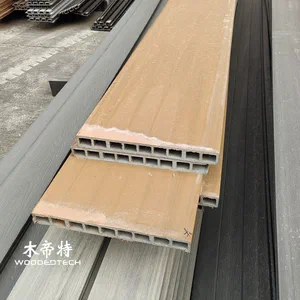
F19025 solid square can be used for various woodworking processing applications with wpc panel sheet
Learn how WPC profile design, hollows, solids, ribs, and surface patterns affect strength, weight, cost, and installation performance.
| Payment | T/T in advance. Customized order: T/T, 50% prepayment, 50% balance before loading. |
|---|---|
| Transaction Terms | FOB, CIF, EXW, etc. |
| Samples | <30cm: samples for free. >30cm: samples order (the sample fee can be deducted when placing a container order later). |
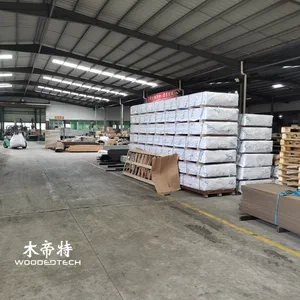
| Length | For 20GP container, max length is 5.8 meters (longest); mostly 2.2 / 2.4 / 2.9 / 3.0 / 4.0 meters (recommended) or customized. |
F19025 solid square is a practical profile for woodworking-related processing when a wpc panel sheet project needs dependable strength and clean machining. In extrusion mold design, the profile geometry matters as much as the material formula, because it decides how the part carries load, how much resin it uses, and how easily it installs on site.
Profile Design and Structural Behavior
A square solid profile gives a direct load path through the section, so it usually feels stiffer and more stable than a thin hollow profile of the same outer size. That makes it a good choice for framing edges, trims, edge reinforcement, and auxiliary parts that need better screw-holding and resistance to crushing during fabrication or assembly.
Hollow structures reduce weight and material use, which helps lower cost and makes handling easier for large-format products. They are useful when the part mainly serves as a visual or spacing element. The tradeoff is lower local strength and a greater need for careful mold balance, wall thickness control, and support design to avoid warping or sink marks.
Solid structures cost more in material, but they are easier to machine, cut, and fasten. For woodworking processing applications, that matters because installers often need stable edges for drilling, routing, trimming, and repeated assembly. A solid square profile also tolerates fixing errors better than a fragile hollow section.
Rib Design, Weight, and Installation
Ribs are the most efficient way to add stiffness without turning the whole section into a heavy solid mass. Well-placed ribs improve bending resistance, reduce deformation during cooling, and help the profile hold shape after extrusion. If the ribs are too thick or placed poorly, they can cause uneven shrinkage and reduce surface quality, so rib layout must match the mold flow and cooling profile.
For installation, ribbed designs can improve grip, alignment, and hidden support functions. They can also reduce the amount of fastening hardware needed. The key is to balance stiffness with clean processing: a profile that is too complex may save material but slow down production and increase rejection risk.
Surface Patterns and Processing Performance
Surface patterning affects both appearance and field performance. A smooth finish is easier to clean and often better for tight joinery. A wood grain or embossed texture can improve visual realism and hide minor scratches from handling and cutting. In wet or high-contact environments, light texture can also improve slip resistance and reduce glare.
From a mold design angle, deeper patterns need more careful venting and release control. If the pattern is too aggressive, it can reduce line speed or create wear on the tooling. For a wpc panel sheet used with matching accessories, the surface should look consistent while still allowing clean trimming and accurate edge finishing.
Cost and Project Fit
The right profile is not always the lightest one. Hollow sections cut material cost, but solid or rib-reinforced sections often reduce installation problems and rework. For F19025, the solid square format is suitable where strength, simple machining, and consistent fit are more important than minimum weight. That makes it useful in woodworking processing applications, especially when paired with wpc panel sheet systems that need reliable edges and durable support parts.
FAQ
Q: Why choose a solid square profile instead of a hollow one? A: A solid square profile offers better stiffness, stronger fastening, and more predictable machining. It is usually preferred when the part will be cut, drilled, or loaded during installation.
Q: Do ribs always improve a wpc profile? A: Ribs improve stiffness when they are placed and sized correctly. Poor rib design can create warping, sink marks, or uneven cooling.
Q: How do surface patterns affect installation? A: Surface patterns can improve grip and hide wear, but deep textures may complicate molding and finishing. The best pattern is one that balances appearance with easy processing.
Related Products
 F30071 extra wide and thick solid square board allows one step with one board and few wpc factory can produce this size
 T4040 is an uncommon L shape right angle decorative edge trim used for wpc panel outdoor applications
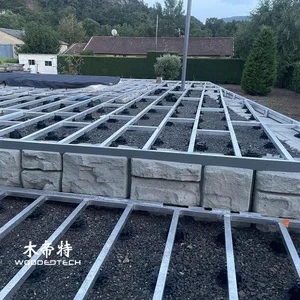
 wood deck plastic fence combined with aluminum systems provides lighter and stronger installation solutions
 F5050 solid four side flat WPC Board is suitable for outdoor bench slats and various construction applications
Related Articles
Get a Free Quote
Interested in F19025 solid square can be used for various woodworking processing applications with wpc panel sheet? Fill in the form and we will reply within 24 hours.