


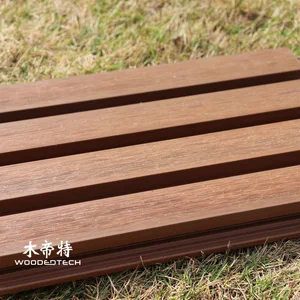
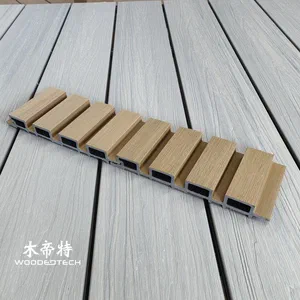
B14011 WPC Paneling Sheets Feature Double Flat Surfaces with Heat Pressed Wood Grain Designs for Outdoor Styles
Discover how raw materials impact the durability and performance of B14011 WPC paneling sheets designed for outdoor use.
| Payment | T/T in advance. Customized order: T/T, 50% prepayment, 50% balance before loading. |
|---|---|
| Transaction Terms | FOB, CIF, EXW, etc. |
| Samples | <30cm: samples for free. >30cm: samples order (the sample fee can be deducted when placing a container order later). |
| Length | For 20GP container, max length is 5.8 meters (longest); mostly 2.2 / 2.4 / 2.9 / 3.0 / 4.0 meters (recommended) or customized. |
The durability, weather resistance, and overall performance of outdoor Wood Plastic Composite (WPC) products, such as the B14011 WPC paneling sheets, are significantly influenced by their raw materials. This article explores how the components—wood powder, HDPE/PVC polymers, additives, pigments, and modifiers—contribute to these critical attributes, alongside practical factory inspection methods and quality standards.
Key Material Components
Wood Powder
Wood powder serves as a primary filler in WPC formulations. Its natural fibrous structure enhances strength and rigidity, while also providing aesthetic qualities reminiscent of traditional wood. However, the quality and source of wood powder directly impact the end product’s durability. High-quality wood powder with minimal impurities will lead to improved mechanical properties and longevity.
HDPE/PVC Polymers
The choice of polymer, whether High-Density Polyethylene (HDPE) or Polyvinyl Chloride (PVC), is crucial for the WPC’s resistance to environmental factors. HDPE offers excellent impact resistance and is more flexible, while PVC provides superior weather resistance. Both polymers protect against moisture, UV rays, and temperature fluctuations, which are pivotal for outdoor applications.
Additives and Modifiers
Additives such as coupling agents and lubricants enhance the bonding between the wood powder and polymer, thus improving mechanical strength and processing efficiency. Modifiers can also be employed to impart specific properties like flame resistance or enhanced UV stability, further extending the product’s outdoor lifespan.
Pigments
Pigments contribute not only to the aesthetic appeal but also to the material’s weather resistance. UV-stabilized pigments can prevent color fading and degradation, maintaining the product’s appearance over time. The right pigments can also enhance the thermal stability of WPC products, ensuring they withstand high temperatures without compromising structural integrity.
Quality Control and Inspection
To ensure that the raw materials and final products meet the necessary standards, effective factory inspection methods must be implemented. This includes:
- Material Sampling: Regular sampling of wood powder and polymers to test for consistency in particle size, density, and moisture content.
- Mechanical Testing: Conducting tensile strength, impact resistance, and flexural tests on the final WPC products to ensure they meet specified performance standards.
- Environmental Testing: Subjecting samples to accelerated weathering tests to evaluate their resistance to UV radiation and moisture, simulating long-term outdoor exposure.
- Visual Inspections: Checking for surface defects, color consistency, and overall finish to ensure aesthetic standards are upheld.
Quality standards should align with both national and international guidelines, ensuring products not only comply with safety requirements but also meet consumer expectations for durability and performance.
FAQ
Q: How does wood powder affect the performance of WPC products?
A: Wood powder enhances the strength and rigidity of WPC products, contributing to their overall performance and durability.
Q: What is the role of polymers in WPC manufacturing?
A: Polymers like HDPE and PVC provide essential weather resistance and mechanical strength, ensuring the longevity of outdoor WPC applications.
Q: What inspection methods are used to ensure WPC quality?
A: Inspection methods include material sampling, mechanical testing, environmental testing, and visual inspections to maintain quality standards.
Related Products
 B30014 Plastic Wood 4x8 Sheets Provide Wide Thin Boards for Large Outdoor Display and Surface Applications
 Embossed Decking 3D15023 Red Wood Is a Popular Hot Selling Style Widely Used in Outdoor Flooring Markets
 Aluminum Alloy 40x25 WPC Decking Joist Provides Reliable Outdoor Support Without Fear of Harsh Weather Conditions
 B1409.5 Siding WPC Exterior Boards Provide Waterproof Insect Resistant and Durable Outdoor Wall Solutions
Related Articles
Get a Free Quote
Interested in B14011 WPC Paneling Sheets Feature Double Flat Surfaces with Heat Pressed Wood Grain Designs for Outdoor Styles? Fill in the form and we will reply within 24 hours.