
3DGL18024 Composite Decking Fence Features Premium Co Extruded 3D Embossed Antique Wood Grain Texture with Realistic Natural Wood Fibers
Explore 3DGL18024 co-extruded composite decking with realistic 3D antique wood grain, natural fiber details, and modern outdoor design applications.
| Payment | T/T in advance. Customized order: T/T, 50% prepayment, 50% balance before loading. |
|---|---|
| Transaction Terms | FOB, CIF, EXW, etc. |
| Samples | <30cm: samples for free. >30cm: samples order (the sample fee can be deducted when placing a container order later). |
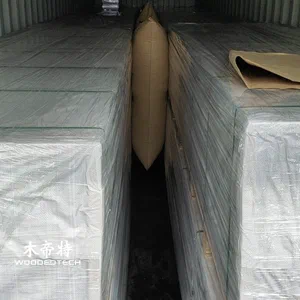
| Length | For 20GP container, max length is 5.8 meters (longest); mostly 2.2 / 2.4 / 2.9 / 3.0 / 4.0 meters (recommended) or customized. |
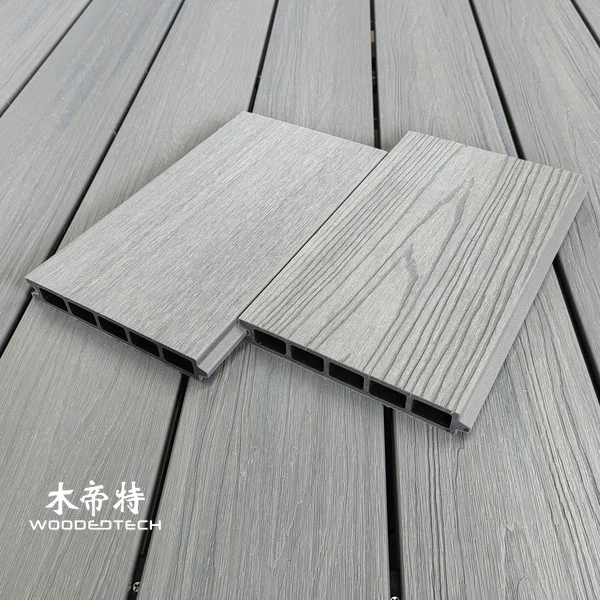
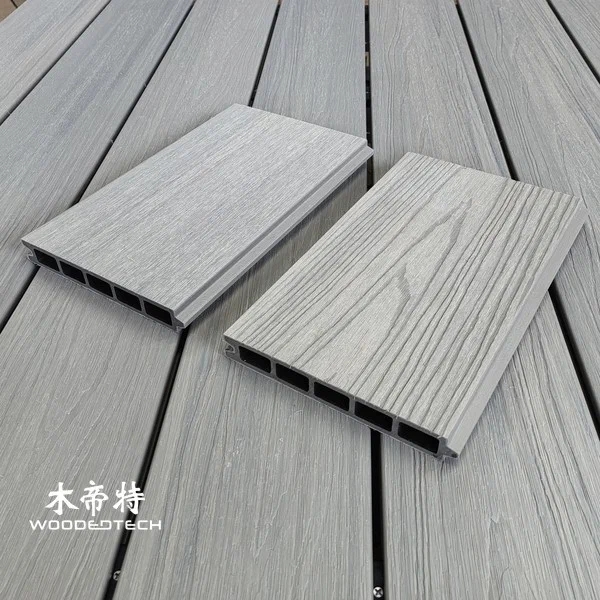
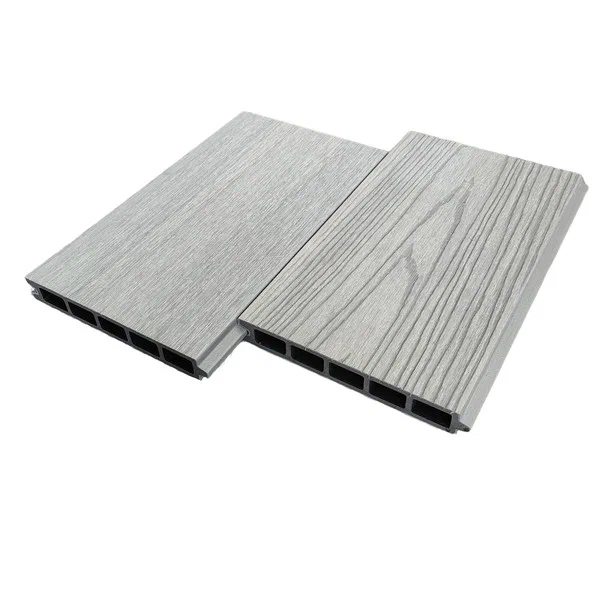
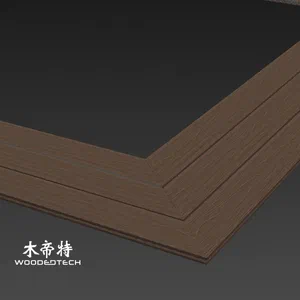
The 3DGL18024 composite decking fence combines premium co-extrusion technology with a 3D embossed antique wood grain finish, creating an outdoor surface with the depth and character of natural timber. Its realistic wood fiber detailing, textured appearance, and coordinated design make it a suitable choice for modern decking and fencing projects that prioritize visual consistency, practical performance, and long-term outdoor appeal.
3D Embossed Antique Wood Grain: A More Natural Outdoor Finish
One of the strongest trends in modern outdoor design is the move toward materials that recreate the appearance of natural wood without relying entirely on traditional timber. Flat, repetitive synthetic surfaces are gradually giving way to more detailed finishes with visible grain patterns, varied textures, and realistic color transitions.
The 3DGL18024 features a 3D embossed antique wood grain texture that gives the surface greater visual depth. Realistic natural wood fiber patterns create an authentic timber-inspired appearance, while the embossed finish adds tactile detail. This combination works particularly well in contemporary gardens, residential patios, hospitality spaces, and commercial landscape projects.
Antique wood tones are also becoming increasingly popular because they bring warmth and character to modern architectural settings. Rather than relying on bright or artificial-looking colors, designers can use weathered wood-inspired finishes to create a balanced relationship between buildings, greenery, stone, and outdoor furniture.
Co-Extrusion Technology for Practical Outdoor Applications
Co-extrusion is an important development in modern wood plastic composite manufacturing. The process forms a protective outer layer around the composite core, creating a more refined surface designed for outdoor use.
For the 3DGL18024, the premium co-extruded construction complements the embossed wood grain appearance. This combination offers several practical advantages for outdoor decking and fencing applications:
- Surface protection: The outer layer is designed to help resist moisture penetration, everyday staining, and surface wear.
- Color consistency: The protective surface helps maintain a more consistent appearance during outdoor exposure.
- Easier maintenance: Routine cleaning is generally simpler than maintaining traditional timber with regular staining or painting.
- Natural aesthetics: Embossed grain detailing provides a more realistic wood-inspired finish than conventional flat composite surfaces.
For distributors, contractors, and project developers, these features make co-extruded composite products an attractive option for outdoor projects where appearance and maintenance requirements both matter.
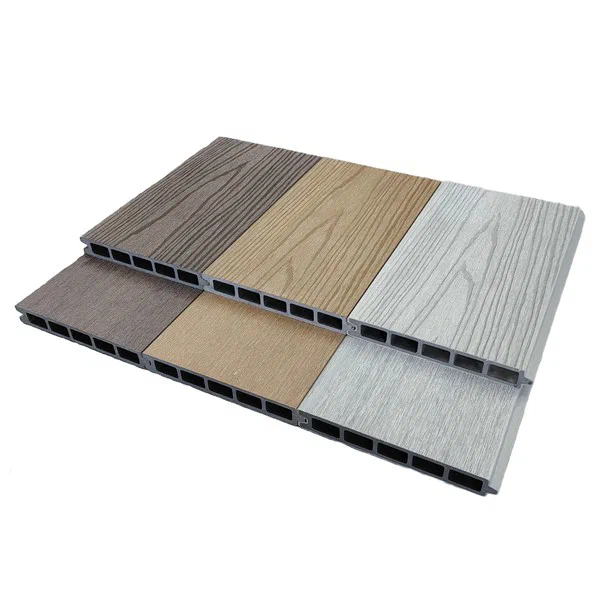
Modern Composite Decking Colors and Textures
Color selection plays an important role in shaping the atmosphere of an outdoor space. Modern composite decking designs increasingly favor natural, understated colors that complement different architectural styles.
Antique wood grain is particularly suitable for projects seeking a warm, established appearance. It pairs naturally with black aluminum frames, neutral exterior walls, concrete paving, stone pathways, and contemporary garden furniture.
Other popular composite decking color directions include:
- Warm brown: Creates a welcoming atmosphere and works well with traditional and contemporary gardens.
- Light oak: Makes smaller outdoor spaces feel brighter and more open.
- Charcoal gray: Provides a clean architectural appearance for modern residential and commercial projects.
- Weathered timber: Introduces natural character without requiring the use of reclaimed wood.
Texture is equally important. Designers increasingly combine embossed surfaces, smooth structural elements, and contrasting profiles to create visual interest without overcrowding an outdoor space. The 3DGL18024 antique wood grain finish supports this approach by adding detail to the main surface while allowing other materials to remain visually balanced.
Coordinating Decking, Fences, Wall Panels, and Pergolas
A consistent material palette can transform separate outdoor elements into a unified design. Instead of treating decking, fencing, and wall cladding as independent products, landscape designers increasingly develop them as parts of one coordinated outdoor system.
For example, 3D embossed composite decking can be combined with horizontal composite fence panels to create a seamless transition between patio flooring and garden boundaries. Matching or complementary WPC wall panels can introduce additional texture to exterior walls, outdoor kitchens, and covered seating areas.
Pergolas and gazebos provide another opportunity to extend the design language. Their structural frames, decorative louvers, and overhead shade elements can introduce clean geometric lines that contrast with the natural-looking embossed grain of the decking.
Popular combinations include:
- Composite decking with horizontal privacy fencing for contemporary residential gardens.
- Antique wood grain decking with dark aluminum pergola structures for modern patios.
- Textured WPC wall panels with matching garden screens for coordinated exterior spaces.
- Composite decking with built-in benches and planters for functional landscape layouts.
These combinations allow architects and project developers to create visually connected spaces while using different profiles for individual functional requirements.
Modular Profiles for Flexible Landscape Design
Modular design is another important trend in outdoor composite products. Standardized profiles and coordinated components make it easier to develop repeatable layouts, simplify installation planning, and adapt designs to different project dimensions.
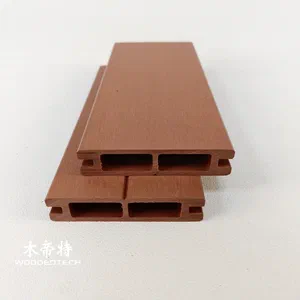
For decking, grooved and solid board profiles can serve different structural and visual requirements. Fence systems can incorporate horizontal or vertical slats, while decorative screens and louvers provide additional privacy and ventilation. Pergolas and gazebos can use coordinated structural components to establish consistent proportions across larger outdoor areas.
The advantage of this approach is design flexibility. A residential garden may require a compact deck, a privacy fence, and a small seating area, while a hotel or commercial landscape project may need extensive decking, multiple pergolas, decorative wall cladding, and integrated planters.
For WPC manufacturers and wholesale buyers, customized composite extrusion profiles also create opportunities to develop project-specific product collections. Dimensions, surface treatments, colors, and connection details can be coordinated to meet different architectural requirements.
Applications in Residential and Commercial Outdoor Projects
The 3DGL18024 composite decking fence is particularly relevant to projects where natural wood aesthetics need to be combined with practical outdoor material considerations. Its antique wood grain appearance can complement garden decking, patio boundaries, outdoor walkways, and landscape features.
In residential applications, the material can help create a warm and cohesive outdoor environment around swimming pools, terraces, balconies, and garden seating areas. In commercial environments, similar design principles can be applied to hotel patios, restaurant terraces, resort walkways, and landscaped public spaces.
When selecting products for a project, buyers should consider board dimensions, installation methods, substructure requirements, expansion allowances, surface specifications, and local climate conditions. Matching the product profile to the intended application is essential for achieving a stable and visually consistent installation.
For importers, wholesalers, contractors, and outdoor building material distributors, the combination of premium co-extrusion and realistic 3D embossed wood grain offers a distinctive product direction. As outdoor architecture continues to favor natural textures, coordinated materials, and modular construction, composite decking and fencing systems with carefully developed surface finishes can help meet the evolving expectations of modern landscape design.
Related Products
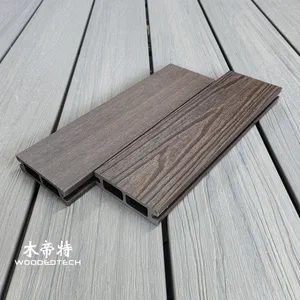 3DGL9024 Composite Decks and Railings Feature Premium Co Extruded 3D Embossed Rosewood Grain Texture with Realistic Natural Wood Fibers
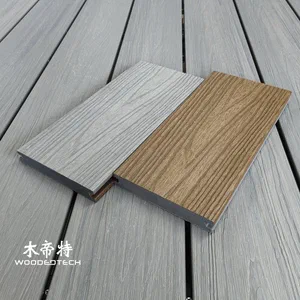 Second Generation Two Color Co Extruded 3D Embossed 3DGD14023S Composite Wood Deck Boards Feature an Extremely Realistic Antique Wood and Teak Grain Texture
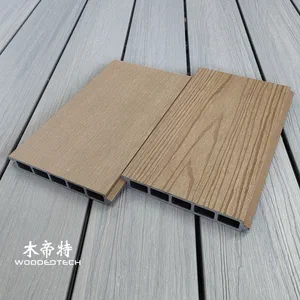 3DGL18024 WPC Longboard Fence Features Premium Co Extruded 3D Embossed Teak Wood Grain Texture with Realistic Natural Wood Fibers
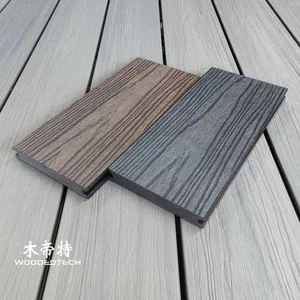 The 3DGD14023S Wood WPC Decking Combines Dual-Tone Rosewood and Dark Grey Colors with a Solid Core and Realistic 3D Embossed Wood Grain
Related Articles
Get a Free Quote
Interested in 3DGL18024 Composite Decking Fence Features Premium Co Extruded 3D Embossed Antique Wood Grain Texture with Realistic Natural Wood Fibers? Fill in the form and we will reply within 24 hours.