
WPC Woodplastic: Industrial Applications, Benefits, and Market Outlook
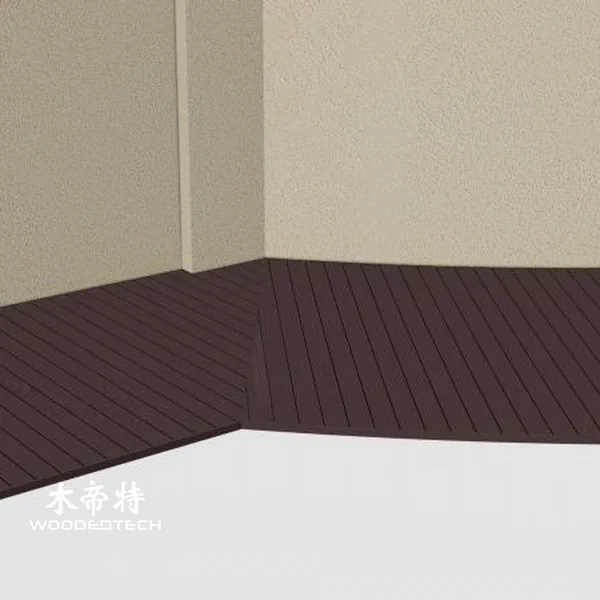
WPC wood plastic composite is becoming a key material for modern outdoor construction, combining recycled wood fibers and polymers to deliver durable, low-maintenance alternatives to traditional timber. Its applications now extend beyond decking into commercial landscaping, architectural cladding, fencing, pergolas, and customized exterior solutions.
Industrial Applications of WPC Woodplastic Materials
WPC products are widely used in residential, commercial, and public infrastructure projects due to their balance of strength, appearance, and weather resistance. In outdoor flooring, wood plastic composite decking provides a stable surface for terraces, balconies, resorts, pool areas, and public walkways. Compared with natural wood, WPC decking requires less maintenance and offers improved resistance to moisture, insects, and daily wear.
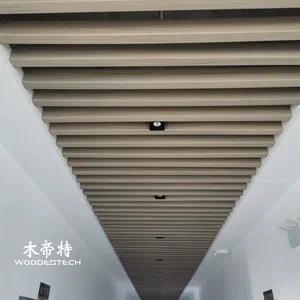
For building exteriors, wpc wall cladding and wood plastic composite wall panels are increasingly adopted for decorative facades, commercial buildings, and outdoor renovation projects. These systems create a natural wood appearance while reducing issues such as cracking, rotting, and frequent repainting.
Other growing applications include:
- wood plastic composite fencing for privacy and landscape boundaries
- wpc pergola structures for gardens, hotels, and outdoor recreation areas
- composite railing systems for balconies, stairs, and public spaces
- outdoor furniture, planters, screens, and architectural features
Key Benefits Driving Market Growth

The demand for WPC woodplastic solutions is supported by several performance advantages. The material offers a wood-like appearance with enhanced durability, making it suitable for climates with high humidity, strong sunlight, or temperature changes.
Major benefits include:
- Low maintenance compared with traditional timber
- Resistance to moisture, decay, and insect damage
- Recyclable composition supporting sustainable building goals
- Consistent colors, textures, and surface finishes
- Flexible extrusion options for customized designs
Advanced manufacturing technologies such as co-extrusion, embossed surfaces, and 3D textures are expanding product possibilities. These improvements allow manufacturers to create premium outdoor materials with realistic wood grain effects and better protection against UV exposure and staining.
Global Market Outlook and Future Opportunities
The global market for composite outdoor building materials continues to develop as architects, contractors, and property owners seek sustainable alternatives to conventional wood. Growing investment in outdoor living spaces, urban landscaping, and green building projects is creating new demand for WPC decking, cladding, fencing, and pergola systems.
Future opportunities are expected in regions where residential renovation, hospitality development, and infrastructure upgrades are increasing. Manufacturers that provide customized profiles, private label production, and complete outdoor solutions can better serve international buyers looking for differentiated products.
The next stage of WPC development will focus on higher-performance materials, improved recycling systems, fire-resistant solutions, and designs that combine architectural style with environmental responsibility. Suppliers with strong production capabilities and product innovation will be positioned to meet evolving global requirements.
FAQ
Q: What industries use WPC wood plastic composite products? A: WPC is used in construction, landscaping, hospitality, residential development, and commercial outdoor projects, including decking, cladding, fencing, and pergolas.
Q: Why is WPC replacing traditional wood in outdoor applications? A: WPC offers lower maintenance, better moisture resistance, and longer service life while maintaining a natural wood appearance.
Q: What future trends will influence the WPC market? A: Future growth will be driven by sustainable materials, customized designs, advanced surface treatments, and demand for durable outdoor building products.
Related Articles
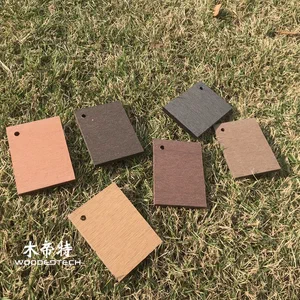
Related Products
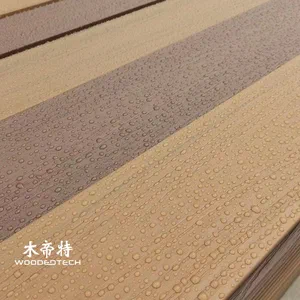
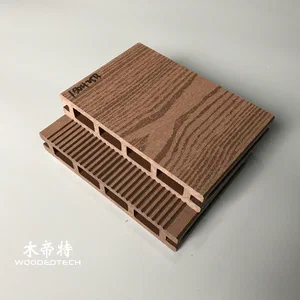 D15025-2 Classic Waterproof Insect Resistant Corrosion Resistant And Termite Resistant Composite Decking Types With Twenty Years Of Sales Experience
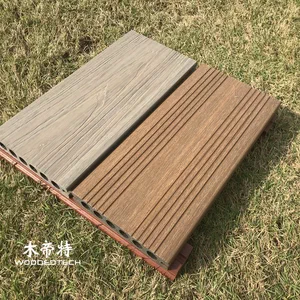 GD13823-3 Second Generation Co Extruded Wood Plastic Composites With High Quality Stable Performance For Premium Outdoor Applications
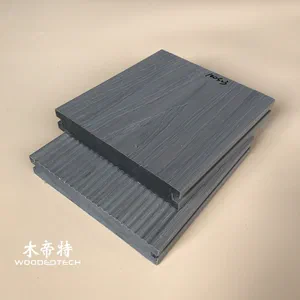
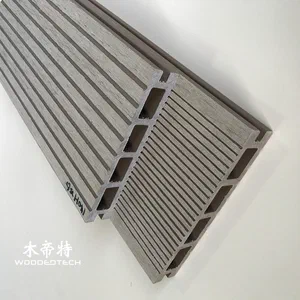 D14025-3 Composite Lumber for Decks Features a Classic Double Sided Groove Design with Excellent Value for Outdoor Projects