
WPC Wooden Decking Combines Natural Wood Appearance With Modern Composite Material Advantages

Wood plastic composite (WPC) decking combines the natural aesthetics of wood with the durability of modern composite materials. Understanding how components like wood powder, polymers, additives, pigments, and modifiers influence the performance and longevity of WPC products is crucial for manufacturers aiming to produce high-quality outdoor solutions.
Key Components Influencing WPC Quality
The main ingredients in WPC include wood powder and plastic polymers such as HDPE or PVC. Wood powder provides the desired visual appeal and texture, mimicking the look of traditional wood. However, the quality and size of the wood powder can directly impact the strength and durability of the final product. Finer powders may enhance surface smoothness but could compromise structural integrity if not balanced correctly.

HDPE and PVC polymers contribute significantly to the weather resistance and overall performance of WPC. HDPE, known for its toughness, provides excellent resistance to moisture and UV rays, making it ideal for outdoor applications. PVC offers similar benefits, though it may be more flexible and easier to mold into various shapes.
Additives and Modifiers
Additives and modifiers play a critical role in enhancing the properties of WPC products. These can include:
- UV stabilizers, which prevent degradation from sun exposure
- Anti-fungal agents that inhibit mold growth
- Color pigments that ensure consistent and vibrant coloring
The right combination of these additives can greatly improve the longevity of WPC decking, ensuring it maintains its aesthetic appeal and structural integrity over time.
Inspection Methods and Quality Standards
To ensure that WPC products meet industry standards, rigorous quality control procedures should be employed during production. Key inspection methods include:
- Visual inspections: Checking for surface defects, color consistency, and overall appearance.
- Mechanical testing: Assessing tensile strength, flexural strength, and impact resistance to ensure the product meets specified durability standards.
- Weathering tests: Subjecting samples to UV exposure and moisture cycles to evaluate long-term performance in outdoor conditions.
Quality standards such as ASTM D7032 and ISO 22157 provide frameworks for evaluating the durability and performance of WPC materials, guiding manufacturers in producing reliable, high-quality products.
Conclusion
Incorporating high-quality raw materials and following stringent manufacturing processes leads to superior outdoor WPC products. By focusing on the right balance of wood powder, polymers, additives, and robust quality inspection methods, manufacturers can ensure their WPC decking not only looks great but also stands the test of time against the elements.
FAQ
Q: What is the main benefit of using HDPE in WPC products?
A: HDPE provides excellent moisture resistance and durability, making it ideal for outdoor applications.
Q: How do additives improve WPC performance?
A: Additives enhance properties like UV resistance, mold prevention, and color stability, contributing to the longevity of the decking.
Q: What standards should WPC products meet?
A: WPC products should adhere to quality standards such as ASTM D7032 and ISO 22157 to ensure performance and durability.
Related Articles
 WPC Decking Weight Information Helps Customers Choose Suitable Outdoor Flooring Materials
 HDPE Composite Lumber Offers Strong and Durable Material Solutions for Outdoor Construction Projects
 Composite Deck Gasket Provides Better Protection And Stability For Outdoor Decking Installation
 Is Plastic Wood Toxic And What Makes WPC Materials Safe For Outdoor Applications
Related Products
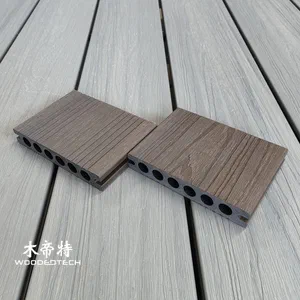 Purple Sandalwood GD13823-3 Co Extruded WPC Outdoor Decks with Round Holes Are Available in Stock in 3 Meter Lengths Year Round
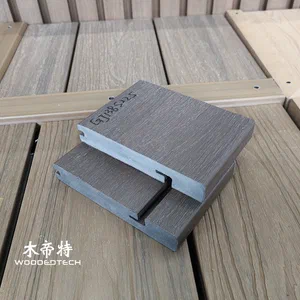 GD13822.5S Fully Capped Solid Starter Wood Polymer Composite Decking Provides a Stable Starting Structure for the First Decking Board
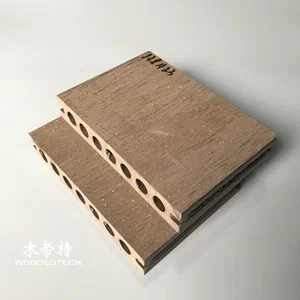 D13823 Round Hole Double Sided Flat WPC Bamboo Decking Boards With Strong Quality And Various Wood Grain Surface Treatments