wpc wood plastic composites: Industrial Applications and Trends
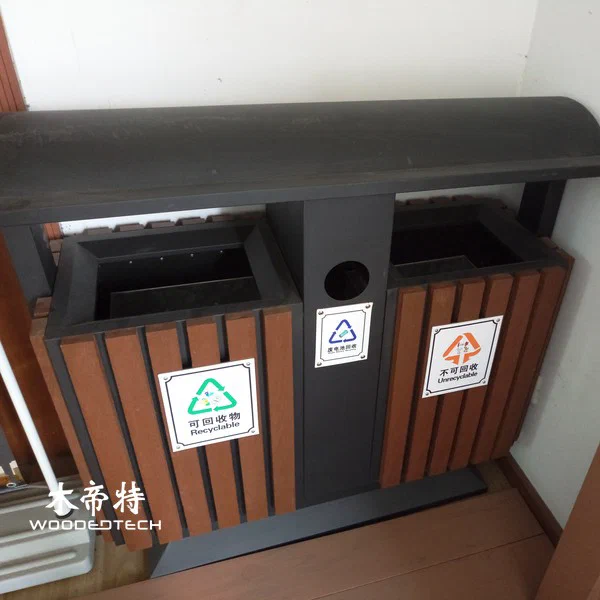
Wood plastic composites (WPC) are becoming a key material solution for modern outdoor construction, combining recycled polymers with wood fibers to create durable, low-maintenance alternatives to traditional timber. The global market is expanding across decking, wall cladding, fencing, pergolas, and landscape products as builders seek sustainable materials with improved performance.
Industrial Applications of WPC Materials
The demand for wood plastic composite products is growing in residential, commercial, and public projects. In outdoor flooring, wood plastic composite decking offers resistance to moisture, insects, and weather exposure, making it suitable for terraces, balconies, pool areas, and hospitality spaces. Compared with natural wood, WPC requires less maintenance and provides more consistent quality for large-scale installations.
WPC wall cladding is also gaining popularity in architectural projects. Designers use composite panels, exterior wall panels, and decorative surfaces to create modern facades while reducing maintenance requirements. Advanced manufacturing technologies such as co-extrusion and surface embossing allow suppliers to produce realistic wood textures, improved UV resistance, and enhanced protection against outdoor conditions.
Fencing and landscape applications represent another important growth area. Wood plastic composite fencing provides privacy, durability, and design flexibility for gardens, residential developments, and commercial properties. WPC pergolas, planters, benches, and outdoor furniture are increasingly used in landscape projects because they combine aesthetic appeal with long service life.
Global Market Trends and Future Opportunities
Sustainability is one of the strongest drivers behind WPC market growth. Governments and developers are placing greater focus on recycled materials and environmentally responsible building solutions. WPC products made from recycled plastics and wood waste support circular economy goals while reducing dependence on traditional timber resources.
Product innovation is creating new opportunities for manufacturers and exporters. Customers increasingly request customized colors, textures, profiles, and installation systems. High-performance products such as capped composite decking, weather-resistant cladding, and specialized landscape components are expanding into premium market segments.
The Asia-Pacific region continues to be a major production and consumption center, while markets in North America and Europe show strong demand for durable outdoor building materials. Commercial landscaping, urban development, and renovation projects are expected to create further opportunities for suppliers offering reliable quality and customized solutions.
Business Opportunities for WPC Manufacturers

For international suppliers, future growth will depend on product differentiation, manufacturing capability, and market adaptation. Companies that provide OEM services, custom extrusion profiles, and complete outdoor solutions can better serve architects, contractors, and distributors.
Key opportunities include:
- Developing eco-friendly exterior WPC products for sustainable construction projects
- Expanding premium decking and cladding collections with realistic wood finishes
- Creating integrated solutions for fencing, pergolas, and landscape applications
- Improving production technology to enhance durability, safety, and design options
As outdoor living spaces continue to evolve worldwide, WPC materials are positioned to play a larger role in modern building and landscape design.
FAQ
Q: What are the main industrial uses of WPC materials? A: WPC materials are widely used for decking, wall cladding, fencing, pergolas, railings, and landscape products in residential and commercial projects.
Q: Why is WPC replacing traditional wood in outdoor applications? A: WPC offers lower maintenance, improved moisture resistance, and consistent performance compared with many traditional wood products.
Q: What trends are shaping the future of the WPC industry? A: Sustainability, customization, advanced surface treatments, and demand for durable outdoor building materials are driving future market development.
Related Articles

Related Products
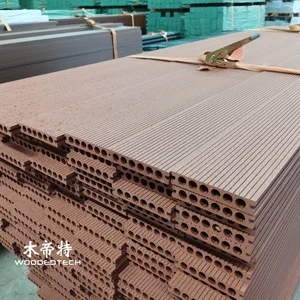
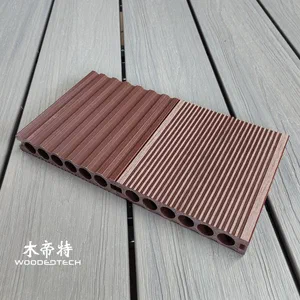 140-25 Double Wave Round Hole E Red Sandalwood Color Wood Polymer Decking Board With Affordable Price For Budget Engineering Projects
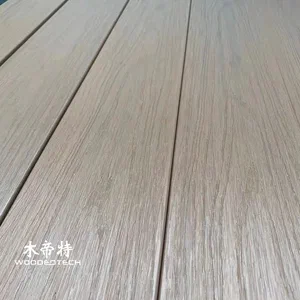
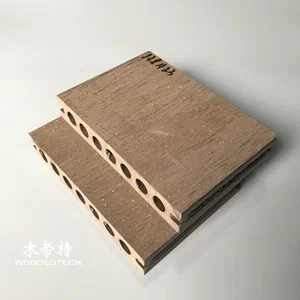 D13823 Round Hole Double Sided Flat WPC Bamboo Decking Boards With Strong Quality And Various Wood Grain Surface Treatments
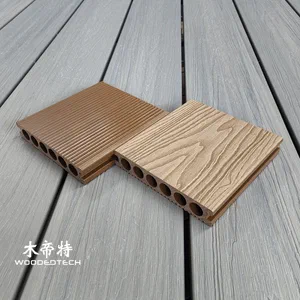
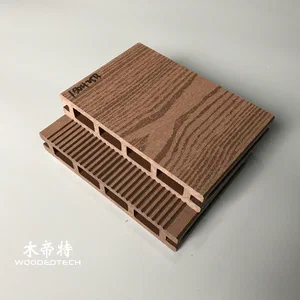 D15025-2 Classic Waterproof Insect Resistant Corrosion Resistant And Termite Resistant Composite Decking Types With Twenty Years Of Sales Experience