
WPC Wood Gate Solutions: Durability, Performance, and Industrial Applications
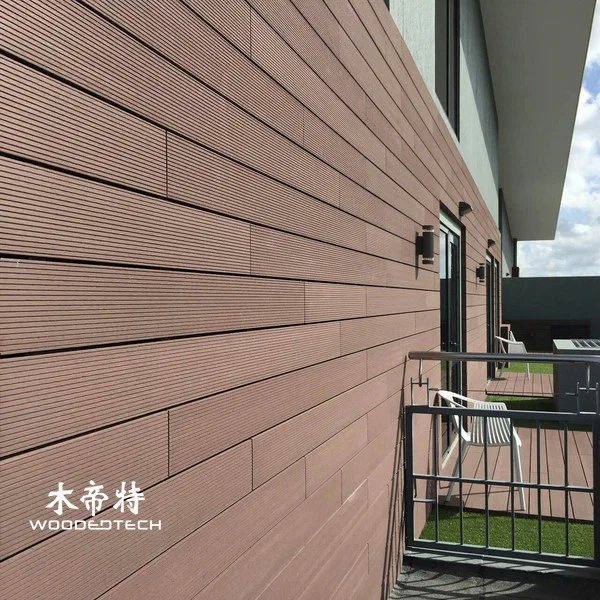
WPC wood gates combine the natural appearance of timber with the durability and low-maintenance properties of wood plastic composite materials. Designed for outdoor environments, they provide a practical solution for residential boundaries, commercial properties, landscape projects, and public facilities where weather resistance, structural stability, and long-term performance are important.
Understanding WPC Wood Gate Materials
Wood plastic composite (WPC) is manufactured by combining wood fibers or wood flour with thermoplastic polymers and selected additives. This material offers a balance of wood-like appearance and improved resistance to moisture, insects, and common outdoor exposure. Compared with conventional timber gates, WPC gates generally require less frequent painting, staining, and surface treatment.
WPC gate profiles are available in different cross-sections, thicknesses, colors, and surface finishes. Common options include wood-grain textures, smooth finishes, solid profiles, and hollow profiles. The choice depends on the gate’s dimensions, expected loads, installation environment, and design requirements.
For demanding outdoor applications, co-extruded WPC profiles are worth considering. Their protective outer layer can improve resistance to UV exposure, staining, and moisture penetration. This makes them suitable for projects where consistent appearance and reduced maintenance are priorities.
Key Durability and Performance Considerations
Material selection is critical to the service life of a WPC wood gate. Outdoor gates are exposed to sunlight, rain, temperature changes, wind pressure, and repeated opening and closing. A suitable WPC formulation and properly engineered support structure help maintain performance under these conditions.
Important performance factors include:
- Moisture resistance: WPC absorbs less moisture than many untreated wood products, reducing the risk of water-related deterioration.
- UV resistance: UV-stabilized formulations and protective surface layers help limit fading and surface degradation.
- Dimensional stability: Proper material formulation and installation clearances help accommodate temperature-related expansion and contraction.
- Insect resistance: The composite structure is less attractive to termites and other wood-boring insects than conventional timber.
- Surface maintenance: Routine cleaning with water and mild detergent is generally sufficient for normal dirt and dust.
- Structural support: Reinforced frames, suitable hinges, and properly anchored posts help prevent sagging and excessive movement.
It is important to distinguish material durability from overall gate performance. WPC boards provide the visible panels, but hinges, fasteners, posts, frames, and locking systems determine much of the gate’s mechanical reliability. For wide or heavy gates, an aluminum or galvanized steel support frame is often a better choice than relying on WPC profiles alone.
Residential and Commercial Applications
In residential gardens, WPC wood gates provide an attractive entrance while maintaining privacy and defining property boundaries. Horizontal slat designs create a contemporary appearance, while wood-grain finishes suit traditional garden layouts. Matching the gate with a WPC fence or outdoor decking creates a consistent exterior design.
For commercial landscapes, including office buildings, shopping centers, and residential developments, WPC gates offer a practical combination of appearance and maintenance efficiency. Standardized profile dimensions and repeatable colors make them suitable for large-scale projects with multiple entrances. Aluminum-framed composite fencing can also provide additional structural support for larger installations.
Hotels and resorts can use WPC gates around landscaped gardens, outdoor dining spaces, service areas, and private guest zones. In these environments, appearance and durability both matter. Co-extruded WPC profiles are particularly useful where gates receive frequent exposure to sunlight, irrigation water, and cleaning activities.
Parks and recreational facilities often require boundary gates that can withstand regular public use. WPC profiles can be incorporated into pedestrian entrances, garden partitions, and decorative boundary fencing. For high-traffic locations, specify robust hinges, anti-corrosion hardware, secure locking mechanisms, and reinforced posts.
Specialized Outdoor Installation Environments
Balconies and terraces can benefit from lightweight WPC gate panels used as privacy dividers or access barriers. However, these applications require careful consideration of wind loads, fixing methods, and local building regulations. WPC decorative panels should not automatically be treated as compliant safety barriers or fall-protection systems.
Swimming pool areas are another potential application. WPC gates can complement composite pool decking and surrounding landscape features while offering better moisture resistance than untreated timber. Nevertheless, pool installations require particular attention to slip hazards, corrosion resistance, gate self-closing mechanisms, and child-safety regulations. The gate system must comply with applicable swimming pool barrier requirements rather than relying on the material alone.
For public facilities such as community centers, schools, pedestrian zones, and municipal gardens, WPC gates can provide a consistent architectural appearance with relatively simple maintenance. Where security is a primary concern, combine composite panels with a reinforced metal frame and specify appropriate access-control hardware.
Engineering and Installation Recommendations
Correct installation has a direct impact on WPC gate durability. Unlike metal, WPC has different mechanical properties and responds to temperature changes through expansion and contraction. Engineers should consider these characteristics during profile selection, frame design, and fixing.
For practical project development, consider the following recommendations:
- Select solid or reinforced profiles for applications requiring greater rigidity.
- Use aluminum or galvanized steel frames for wide gates and heavy-duty installations.
- Allow appropriate expansion gaps according to the manufacturer’s installation specifications.
- Use corrosion-resistant stainless steel or suitably protected fasteners.
- Ensure gate posts are securely anchored to concrete foundations or engineered support structures.
- Select hinges and locking systems according to gate weight, opening frequency, and operating conditions.
- Provide adequate ground clearance to prevent contact with standing water, soil, and accumulated debris.
- Check wind loads and operating forces for large outdoor gate panels.
Before mass production, it is advisable to evaluate profile strength, fastening performance, dimensional stability, and surface durability. For commercial developments, prototype testing can help identify potential installation problems before the entire project is completed.
Custom WPC Gate Solutions for Industrial Projects

WPC wood gates are not limited to standard residential designs. Manufacturers can develop customized profiles, colors, textures, dimensions, and connection systems to meet different architectural and engineering requirements. Options include horizontal slat gates, vertical privacy gates, decorative grille designs, and composite panels integrated with metal structures.
For distributors, contractors, landscape designers, and building material wholesalers, working with an experienced WPC manufacturer can simplify product sourcing and project customization. OEM and custom extrusion services allow buyers to specify profile dimensions, surface treatments, packaging, and production requirements.
When evaluating suppliers, consider manufacturing consistency, raw material quality, UV-resistance testing, production capacity, and technical support. A reliable supplier should also provide clear installation guidance and material specifications to support project planning.
WPC wood gate solutions offer a versatile option for outdoor boundaries, landscape entrances, and architectural screening. With suitable profile selection, reinforced structural components, and installation practices tailored to the environment, they can deliver an attractive, low-maintenance alternative to traditional timber gates across residential, commercial, and public-sector projects.
Related Articles
Related Products
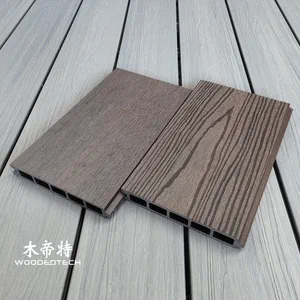 3DGL18024 Composite Fence Panels Feature Premium Co Extruded 3D Embossed Rosewood Grain Texture with Realistic Natural Wood Fibers
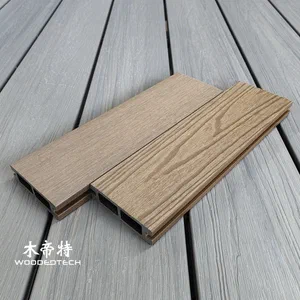 3DGL9024 Composite Fence Features Premium Co Extruded 3D Embossed Teak Wood Grain Texture with Realistic Natural Wood Fibers
 B30014 Plastic Wood 4x8 Sheets Provide Wide Thin Boards for Large Outdoor Display and Surface Applications