WPC Wood Flooring for Durable Outdoor Decks Patios Gardens and Landscape Applications
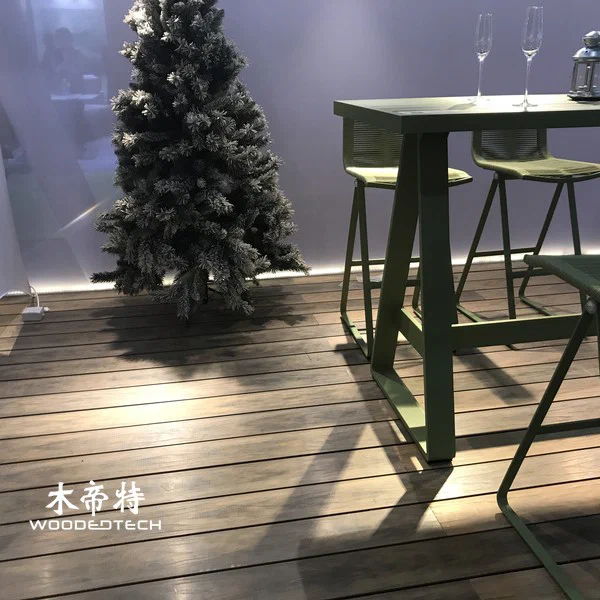
WPC wood flooring is a popular choice for durable outdoor decks, patios, gardens, and landscape applications due to its unique combination of natural wood and synthetic materials. Understanding how ingredients like wood powder, HDPE/PVC polymers, additives, pigments, and modifiers contribute to the overall quality and performance of WPC products is essential for manufacturers and consumers alike.
Key Ingredients and Their Impact
Wood powder serves as the primary filler in WPC, contributing to its aesthetic appeal and texture. The quality of the wood powder, including its source and processing, can affect the product’s durability and resistance to weathering. High-quality wood powder ensures better bonding with polymers and enhances the mechanical properties of the WPC.
HDPE and PVC polymers are crucial for the structural integrity of WPC products. HDPE is known for its strength and flexibility, while PVC offers enhanced durability and resistance to environmental factors. The choice of polymer affects the overall performance of the WPC, including its resistance to moisture, UV rays, and temperature fluctuations.
Additives play a significant role in improving the performance characteristics of WPC. For instance, anti-UV agents prolong the lifespan of the product by minimizing degradation due to sunlight exposure. Additionally, fire retardants can be incorporated to enhance safety, making the WPC suitable for various outdoor applications.
Pigments are important for aesthetic customization. They not only provide color but also contribute to the weather resistance of the WPC. High-quality pigments can prevent fading and discoloration, ensuring that the finished product maintains its appearance over time.
Modifiers, such as impact modifiers and coupling agents, enhance the physical properties of WPC. Impact modifiers improve toughness, making the product less prone to cracking or breaking. Coupling agents facilitate better adhesion between the wood and polymer components, leading to improved overall strength.
Practical Inspection Methods
Quality control is vital in the production of WPC wood flooring. Several inspection methods can be employed to ensure product reliability:
Visual Inspection: Check for uniformity in color, texture, and finish. Look for any defects or inconsistencies that could affect performance.
Physical Testing: Conduct tests for tensile strength, flexural strength, and impact resistance to ensure the WPC meets industry standards.
Moisture Content Measurement: Use moisture meters to verify that the wood powder content is within acceptable limits, as excessive moisture can lead to mold growth and structural failure.
UV Exposure Tests: Simulate prolonged exposure to UV light to evaluate colorfastness and durability against fading.
Chemical Resistance Testing: Assess how the WPC withstands exposure to various chemicals, which is crucial for outdoor environments.
Standards for Quality Assurance

Adhering to quality standards is essential for the production of high-performance WPC products. Manufacturers should aim to comply with international standards such as ASTM D7032 for wood-plastic composites, which outlines performance requirements for structural applications. Additionally, ISO 9001 certification for quality management systems can further ensure consistent product quality.
FAQ
Q: What are the benefits of using WPC wood flooring for outdoor applications?
A: WPC wood flooring offers excellent durability, weather resistance, and low maintenance, making it ideal for outdoor environments.
Q: How can I ensure the quality of WPC products before purchase?
A: Look for certifications that meet industry standards and request samples for inspection of color, texture, and physical properties.
Q: What is the typical lifespan of WPC wood flooring?
A: With proper care and maintenance, WPC wood flooring can last 25 years or more, depending on environmental conditions and usage.
Related Articles
 Wood Plastic Deck Boards Combine Natural Appearance with Durable Outdoor Performance
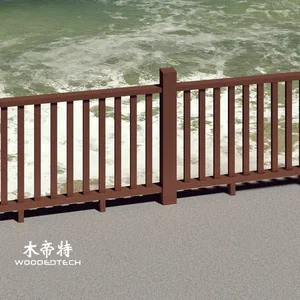 Composite Teak for Durable Outdoor Decking Furniture Cladding and Landscape Applications
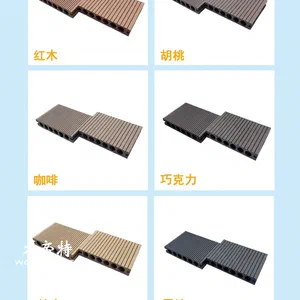 WPC Deck Flooring for Durable Outdoor Patios Gardens Balconies and Landscape Applications
 Composite Deck Gasket Provides Better Protection And Stability For Outdoor Decking Installation
Related Products
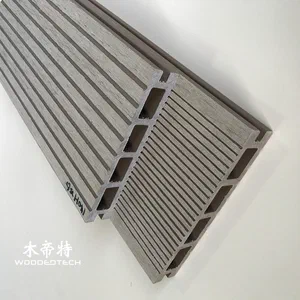 D14025-3 Composite Lumber for Decks Features a Classic Double Sided Groove Design with Excellent Value for Outdoor Projects
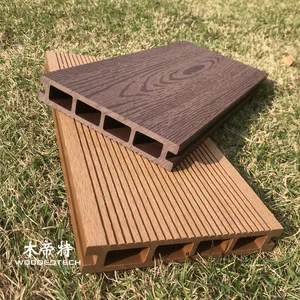 D14025-4 Composite for Decking Provides Stable Performance and Reliable Quality as a Popular Choice for Outdoor Projects
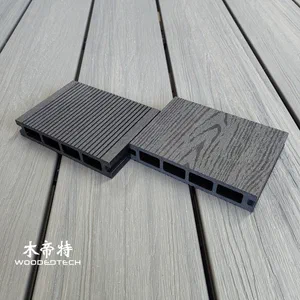 D14025-4 WPC Decking Boards Feature a Flat Wood Grain Surface with Black Ebony Heartwood Ring Grain for Outdoor Applications