
wpc wood composite Solutions for Industrial Applications in 2026
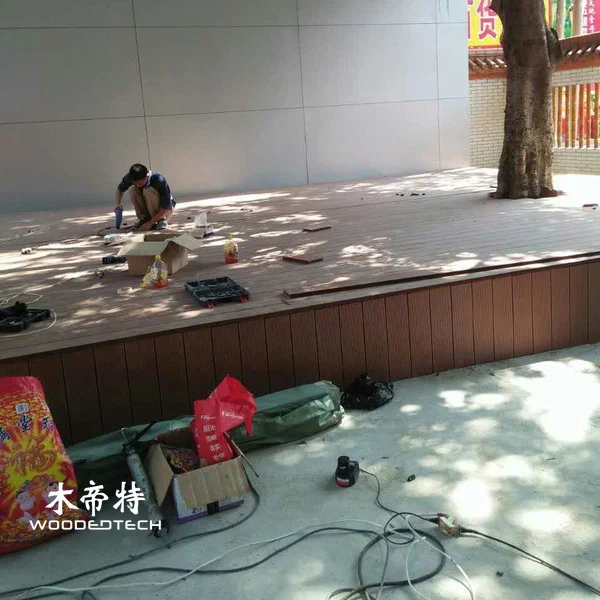
Wood plastic composite (WPC) solutions offer practical options for industrial facilities, commercial developments, and large-scale outdoor projects in 2026. Combining wood fibers with polymer materials, WPC products provide a wood-like appearance, reduced maintenance requirements, and resistance to moisture and weathering when properly specified. For industrial buyers, the right product selection depends on site conditions, expected loads, safety requirements, and long-term operating costs.
Industrial Applications of WPC Products in 2026
WPC materials can be used in factory campuses, warehouse surroundings, logistics centers, office parks, and industrial facility landscaping. Outdoor WPC decking creates defined pedestrian routes, staff rest areas, and accessible outdoor platforms, while WPC wall cladding improves the appearance of selected exterior surfaces. Composite fencing and privacy screens help separate landscaped areas from visitor zones and designated circulation routes. However, WPC should not automatically replace structural steel, concrete, or engineered industrial flooring. Areas exposed to forklift traffic, heavy machinery, extreme temperatures, or chemical spills require materials specifically rated for those conditions.
Residential gardens, balconies, and hotel landscapes also offer useful applications for industrial property developers and hospitality operators managing multiple sites. WPC decking works well for garden paths, rooftop terraces, outdoor dining areas, and balcony flooring when the supporting structure provides adequate drainage and ventilation. Hotels can use composite decking around outdoor lounges, landscaped courtyards, and designated poolside areas. For swimming pools, specify a suitable slip-resistant surface and confirm its performance when wet. Poolside products should also be evaluated for chlorine exposure, UV stability, surface temperature, and maintenance requirements.
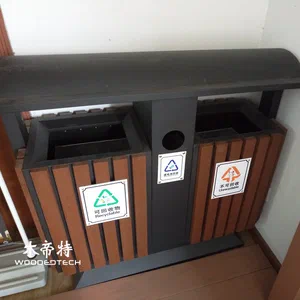
Public facilities, including parks, pedestrian promenades, recreational centers, and visitor facilities, can benefit from durable outdoor WPC products. Composite benches provide seating in landscaped areas, while WPC pergolas, gazebos, decorative screens, and planters help organize public spaces. Composite railing and fencing can define pathways or separate recreational zones when the selected system meets applicable safety and loading standards. In high-traffic locations, buyers should assess abrasion resistance, fastening reliability, vandalism exposure, and the availability of replacement components. Public installations also require attention to accessibility, fire regulations, and local building codes.
Engineering and Product Selection Recommendations

Successful WPC specification starts with a project-specific assessment rather than appearance alone. Engineers should evaluate the intended use, pedestrian or equipment loads, temperature range, rainfall, drainage, sunlight exposure, and cleaning methods. Solid or reinforced profiles may be appropriate for certain demanding applications, while hollow profiles can reduce material weight in suitable installations. Capped or co-extruded decking may provide additional protection against staining and surface wear, depending on the product design. Always verify manufacturer test data instead of assuming every WPC product offers the same performance.
For B2B procurement in 2026, compare product specifications, installation systems, warranty terms, and total lifecycle costs. Ask suppliers for technical datasheets covering slip resistance, fire performance, dimensional stability, UV resistance, and relevant mechanical properties. Confirm that subframes, clips, expansion gaps, and drainage details are compatible with the selected profiles. For multi-site developments, consistent colors, dimensions, and production tolerances can simplify installation and future maintenance. Working with an experienced wood plastic composite manufacturer also helps buyers assess custom extrusion profiles, project-specific colors, and bulk supply requirements before committing to an order.
FAQ
Q: Can WPC products be used in industrial environments?
A: Yes, WPC is suitable for selected outdoor walkways, landscaped areas, seating zones, cladding, and screening applications. Heavy-load, high-temperature, and chemically exposed areas require separate engineering assessment.
Q: Is WPC decking suitable for hotels and swimming pool areas?
A: It can be suitable when the decking is designed for outdoor use and offers verified wet-slip performance, adequate drainage, and resistance to the site’s environmental conditions.
Q: What should industrial buyers check before ordering WPC materials?
A: Review load requirements, fire performance, slip resistance, weather durability, installation details, warranty coverage, and supplier production capacity.
Related Articles
Related Products
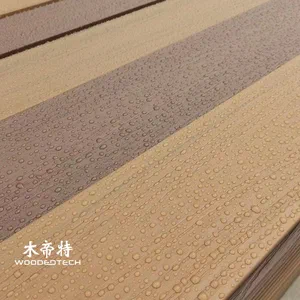
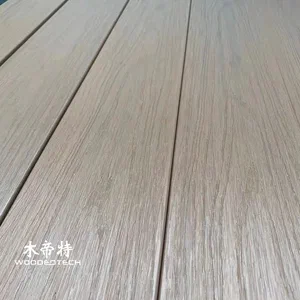
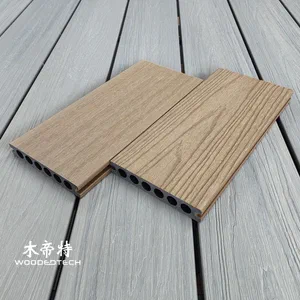 3DGD13823 Second Generation 3D Embossed Teak Decking Composite Material Features Ultra Realistic Wood Grain Texture for Elegant Outdoor Flooring
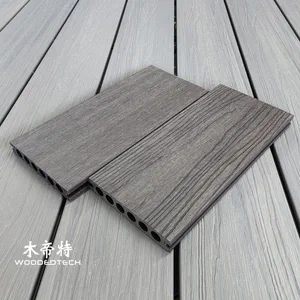 3DGD13823 Second Generation 3D Embossed Walnut WPC Decking Combines Ultra Realistic Wood Grain Texture with the Natural Beauty of Walnut for Outdoor Spaces
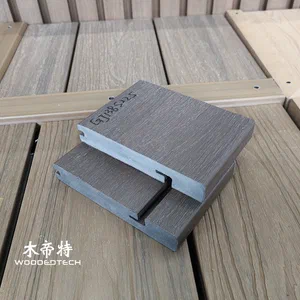 GD13822.5S Fully Capped Solid Starter Wood Polymer Composite Decking Provides a Stable Starting Structure for the First Decking Board