
WPC Wood Cladding: Performance, Applications, and Benefits for Industrial Projects
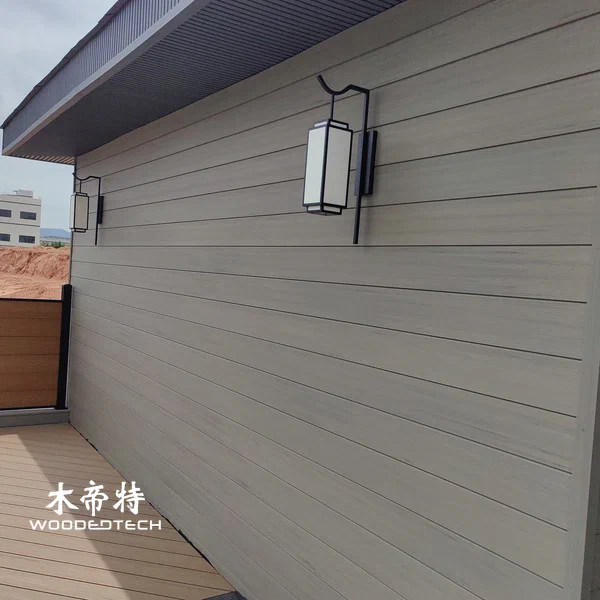
WPC wood cladding is an exterior building material made from a blend of wood fibers and thermoplastic polymers, designed to provide a wood-like appearance with improved resistance to moisture, weathering, and everyday wear. For industrial projects, it offers a practical solution for exterior walls, building facades, commercial landscapes, and architectural features where durability, consistent appearance, and manageable maintenance are important.
Understanding WPC Wood Cladding Performance
Wood plastic composite (WPC) cladding combines the natural appearance of wood with the functional properties of polymer materials. Depending on the formulation, manufacturers use recycled wood fibers, polyethylene or other thermoplastics, additives, and surface treatments to produce boards or panels suitable for exterior applications.
Its performance depends on material composition, manufacturing quality, profile structure, and installation conditions. High-quality WPC cladding can offer good resistance to moisture absorption, rot, insects, and surface deterioration. UV stabilizers and protective surface treatments help reduce fading and weather-related damage, particularly in projects exposed to strong sunlight.
For industrial applications, project buyers should evaluate several technical factors before selecting a product:
- Material composition and wood-to-polymer ratio
- Density, dimensional stability, and mechanical strength
- Water absorption and resistance to outdoor moisture
- UV resistance and color stability
- Fire performance and compliance with local building codes
- Surface texture, finish, and slip or impact resistance where relevant
- Applicable product testing reports and quality certifications
WPC should not automatically be considered waterproof or fireproof. Its actual performance varies by formulation, and project specifications should be supported by relevant test data.

Applications Across Industrial and Commercial Projects
WPC wood cladding is suitable for a wide range of exterior environments. In industrial buildings, it can be used to enhance office facades, administrative buildings, visitor centers, reception areas, and selected exterior wall sections. Horizontal or vertical cladding profiles can create a modern architectural appearance while reducing dependence on conventional timber finishes.
Commercial landscapes provide another practical application. Hotels, shopping centers, restaurants, and business parks can incorporate WPC wall panels into entrance features, outdoor partitions, decorative screens, and landscape structures. Consistent colors and surface textures help maintain a coordinated appearance across large developments.
Residential gardens and balconies also benefit from exterior WPC cladding. It can be installed on garden boundary walls, outdoor seating areas, balcony feature walls, and privacy screens. For balconies, installers should check drainage, ventilation, substrate conditions, and local building requirements before selecting the profile and fixing system.
In hotels and resorts, WPC cladding works well on selected exterior walls, poolside structures, outdoor dining areas, and decorative landscape features. Around swimming pools, moisture resistance is particularly valuable, although cladding should not be confused with pool decking. Walking surfaces require separately specified slip-resistant materials.
Public facilities such as parks, recreational centers, transport facilities, and community buildings can also use WPC products for exterior decorative walls, shelters, entrance structures, and landscape installations. For high-traffic public environments, impact resistance, fire classification, vandal resistance, and replacement requirements deserve particular attention.
Professional Installation Recommendations
Correct installation is essential to achieving the expected service life of WPC wood cladding. Unlike traditional timber boards, WPC profiles have specific thermal expansion characteristics that must be considered during installation.
For industrial exterior walls, the supporting substructure should be designed according to the building’s structural requirements, wind loads, and cladding manufacturer’s specifications. Aluminum or galvanized steel support systems are common options, depending on the project environment. Installers should ensure that the fixing system provides adequate support without restricting the movement of the composite profiles.
Ventilation behind the cladding is another important consideration. A properly designed cavity helps manage moisture and allows air circulation. Drainage openings, flashing, and suitable detailing around windows, doors, corners, and wall penetrations reduce the risk of water accumulation.
For projects in coastal or humid environments, corrosion-resistant fasteners and suitable metal substructures are recommended. In regions with significant temperature variations, installers should follow the manufacturer’s expansion-gap requirements rather than fixing boards too tightly.
Before large-scale installation, a sample section or mock-up can help verify color consistency, joint alignment, fixing details, and the finished architectural appearance.
Benefits for Industrial Project Developers
One of the main advantages of WPC wood cladding is its relatively low maintenance requirement compared with untreated natural timber. It generally does not require routine painting, staining, or wood-preservative treatment. Normal cleaning with water and a suitable mild detergent is often sufficient, subject to the manufacturer’s care instructions.
Durability is another important consideration. Properly formulated WPC products resist common problems associated with natural wood, including rot, termite attack, and moisture-related deterioration. This can make them suitable for commercial and industrial developments where regular maintenance access is limited.
Design flexibility also makes WPC attractive to architects and contractors. Available finishes may include natural wood grain, brushed textures, embossed surfaces, and contemporary solid colors. Different profile dimensions and installation orientations allow designers to create distinctive facades without relying entirely on natural timber.
Environmental considerations may also support material selection. Some WPC products incorporate recycled plastics and reclaimed wood fibers, helping reduce demand for virgin raw materials. However, recycled content, product lifespan, recyclability, and manufacturing processes should all be assessed when making sustainability claims.
Selecting the Right WPC Cladding for Large Projects
For contractors, developers, and building material distributors, choosing a reliable WPC supplier is as important as selecting the product itself. Large projects require stable production capacity, consistent dimensions, dependable color matching, and technical support throughout procurement and installation.
Before placing a bulk order, request product samples, technical data sheets, installation instructions, and relevant test reports. Confirm whether the proposed cladding is designed for exterior exposure and whether its fire performance meets the applicable building regulations. Also review warranty conditions, maintenance requirements, and the availability of replacement profiles.
For projects involving multiple buildings or installation phases, it is advisable to confirm production batches and reserve sufficient material to maintain visual consistency. Custom profile development, surface finishes, and OEM manufacturing options can provide additional flexibility for industrial developers with specific architectural requirements.
WPC wood cladding offers a useful combination of architectural appeal, weather resistance, and reduced maintenance for industrial and commercial developments. With appropriate material selection, structural detailing, and professional installation, it can provide a durable exterior finish for building facades, hotels, public facilities, commercial landscapes, and other outdoor environments.
Related Articles
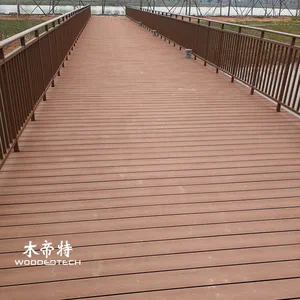 Composite Cladding Material: A B2B Guide to Performance and Applications
 exterior composite wood cladding offers a natural wood appearance with durable outdoor performance
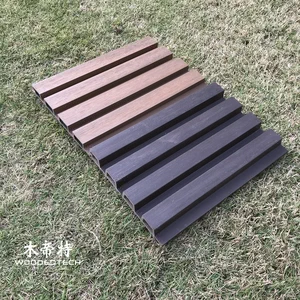 How Long Does Plastic Cladding Last? Lifespan & Durability Analysis
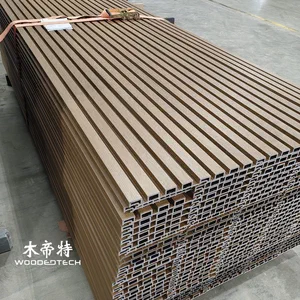 What is Plastic Cladding? Types, Installation & Maintenance Guide
Related Products
 3D17618wood look plastic cladding with three dimensional embossed texture offers unique exterior wall decoration effects
 Q14520.5 wpc cladding outdoor with single layer structure provides a cost effective solution for exterior wall decoration
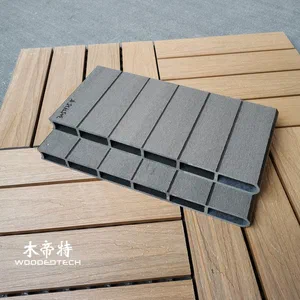 Q30525.4 Extra Wide 300mm Wood Cladding for Exterior Walls with Modern Outdoor Design