
WPC Walls: Industrial Applications, Performance Benefits, and Material Selection Guide
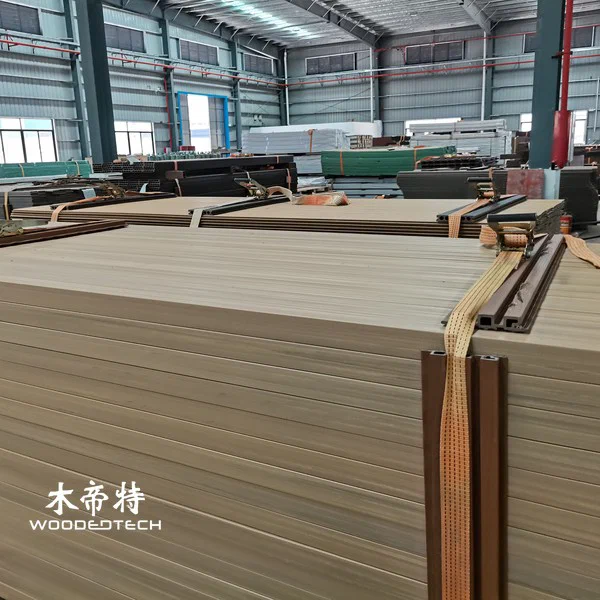
WPC wall panels are used across industrial, commercial, and residential projects where durable, low-maintenance wall finishes are required. Made from a combination of wood fibers and thermoplastic polymers, wood plastic composite (WPC) provides a practical alternative to traditional timber cladding, offering consistent appearance, moisture resistance, and flexible design options for both interior and exterior applications.
Industrial and Commercial Applications of WPC Walls

In industrial environments, WPC wall panels can be used in factory offices, warehouse reception areas, staff facilities, equipment enclosures, and selected production support spaces. Their relatively low maintenance requirements make them suitable for areas where a clean, consistent wall finish is preferred without the regular painting, sealing, or treatment required by natural wood. However, panel selection should reflect the actual operating environment. Facilities exposed to high temperatures, chemical substances, heavy impacts, or strict fire-safety requirements need products tested and approved for those conditions.
Commercial buildings offer a wider range of applications. Shopping centers, office buildings, restaurants, retail stores, and exhibition spaces can use WPC wall cladding to create decorative feature walls, reception backgrounds, corridor finishes, and exterior facade accents. Different surface textures, colors, and profiles help architects establish a consistent visual identity across multiple locations. For high-traffic commercial spaces, solid or reinforced profiles may be more appropriate than lightweight hollow panels, particularly where accidental impacts are likely.
Hotels and resorts are another important application area. WPC wall panels can be installed on outdoor dining terraces, garden-facing walls, covered walkways, entrance areas, and selected balcony partitions. Their wood-like appearance helps create a warm atmosphere while reducing the maintenance associated with exposed natural timber. Around hotel swimming pools and outdoor leisure areas, moisture-resistant WPC products can provide decorative wall finishes that complement composite decking and outdoor furniture. Panels installed near pools should be selected for their resistance to moisture, cleaning chemicals, and prolonged UV exposure.
Outdoor Applications in Residential and Public Spaces
Residential gardens provide many opportunities for WPC wall products. Homeowners can use outdoor WPC wall panels to decorate garden boundary walls, cover unattractive masonry surfaces, create privacy screens, and define outdoor living areas. Combining horizontal or vertical WPC slats with greenery, outdoor lighting, and planters creates a modern landscape design without requiring extensive ongoing maintenance. For garden installations, choose profiles with suitable drainage and ventilation arrangements to reduce moisture accumulation behind the panels.
Balconies and terraces are particularly suitable for lightweight WPC wall cladding. Panels can be applied to selected walls to create a coordinated appearance with waterproof balcony flooring, composite decking, or railing systems. In apartment developments, WPC privacy screens can also help separate neighboring outdoor spaces while maintaining an attractive architectural finish. Before installation, engineers should check the existing wall structure, fixing capacity, exposure to wind, and available installation depth.
Swimming pool areas require more careful material selection. WPC wall panels can be used on poolside feature walls, outdoor changing facilities, shower-area partitions, and decorative enclosures. They should not automatically be treated as waterproof structural barriers. Instead, the supporting wall should have an appropriate waterproofing system, while the WPC panels serve as a protective or decorative finish. Where panels are exposed to splashing water and pool chemicals, verify the manufacturer’s resistance data and cleaning recommendations.
Public facilities such as parks, recreational centers, pedestrian walkways, public toilets, transport facilities, and community buildings can also benefit from WPC wall cladding. Its consistent surface appearance and relatively simple cleaning requirements make it useful for selected public-facing architectural elements. For locations exposed to vandalism, frequent impacts, or intensive public use, specify stronger profiles, secure concealed or tamper-resistant fixings, and suitable replacement arrangements.
Key Performance Benefits of WPC Wall Panels
The main advantage of WPC is its combination of wood-like aesthetics and polymer-based performance. Compared with untreated natural timber, properly formulated WPC generally offers better resistance to moisture-related deterioration, rot, and insect attack. It also reduces the need for routine painting or wood preservation treatments.
Other important performance characteristics include:
- Moisture resistance: Suitable formulations perform well in humid outdoor environments, although water resistance varies by product and does not replace structural waterproofing.
- UV resistance: Exterior-grade panels with appropriate UV stabilizers and surface treatments offer better color stability under sunlight.
- Dimensional consistency: Factory-produced profiles provide more uniform dimensions and surface finishes than many natural wood products.
- Design flexibility: Available finishes include wood grain, brushed textures, smooth surfaces, fluted profiles, and different decorative colors.
- Lower maintenance: Routine cleaning is generally sufficient for normal applications, subject to the manufacturer’s care instructions.
- Material efficiency: WPC can incorporate recycled plastics and wood-based materials, depending on the manufacturer’s formulation and sourcing practices.
These benefits make WPC a useful option for projects seeking a balance between appearance, service requirements, and long-term maintenance costs. Nevertheless, actual performance depends on polymer content, wood fiber quality, additives, manufacturing methods, profile structure, and installation conditions.
Material Selection Guide for Different Projects
Choosing the right WPC wall panel requires more than comparing appearance and price. The first consideration should be the installation environment. Interior decorative walls, covered balconies, exposed exterior facades, and poolside installations have different requirements for moisture resistance, UV stability, impact strength, and fire performance.
For exposed exterior walls, consider co-extrusion WPC wall panels. These products feature a protective outer polymer layer surrounding the composite core, which can improve resistance to staining, moisture penetration, and surface fading. They are particularly worth evaluating for hotels, commercial facades, and residential projects exposed to direct sunlight.
For sheltered decorative applications, conventional WPC panels may offer a more economical solution. Hollow profiles can reduce material weight and simplify handling, while solid profiles provide greater material density and may be preferable in areas requiring improved impact resistance. Neither structure should be selected without considering the fixing system and expected loads.
Important specifications to request from manufacturers include:
- Panel dimensions, thickness, weight, and profile structure.
- Wood fiber and polymer composition.
- Water absorption and dimensional stability test results.
- UV weathering and color-retention performance.
- Fire classification and relevant test certificates.
- Impact resistance and recommended fixing methods.
- Warranty conditions and installation requirements.
Fire performance deserves particular attention in industrial buildings, hotels, public facilities, and high-rise developments. WPC products are not automatically fireproof or suitable for every facade system. Check local building codes, project-specific fire requirements, and independently verified test reports before approving the material.
Installation and Engineering Recommendations
Correct installation is essential to achieving the expected service life of WPC wall cladding. The supporting substrate must be stable, sufficiently level, and suitable for the proposed mechanical fixings. Exterior installations generally require a properly designed subframe, with adequate ventilation and drainage behind the panels to prevent trapped moisture.
WPC expands and contracts with temperature changes. Installers should follow the manufacturer’s specified expansion gaps, fixing distances, edge clearances, and fastening procedures. Avoid rigidly fixing every section without allowing for thermal movement, especially on long exterior walls exposed to significant temperature fluctuations.
For commercial and industrial projects, it is also important to consider maintenance access and future panel replacement. A modular installation system can make individual panel repairs easier without dismantling an entire wall section. Where the project includes balconies, swimming pools, public spaces, or large exterior facades, coordinate the WPC cladding design with waterproofing, drainage, fire protection, and structural requirements from the beginning.
Selecting WPC wall panels as part of a complete building-envelope strategy helps architects, contractors, and developers achieve consistent visual results while managing maintenance and environmental exposure. Working with an experienced WPC wall panel supplier that can provide technical specifications, product samples, test documentation, and project-specific profile options makes material approval and installation planning more reliable.
Related Articles
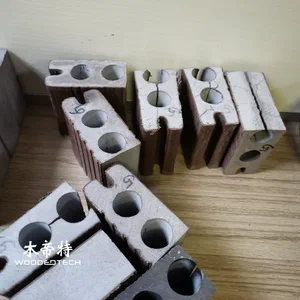 Composite Decking Wall Panels: Applications, Benefits, and Market Trends
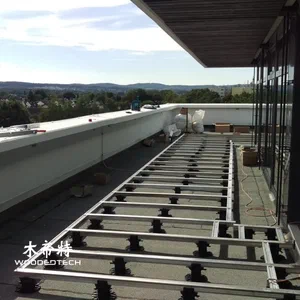 WPC Panels for Wall: A Guide to Industrial Interior Applications
 WPC Wall Cladding Installation Requires Proper Planning for Stable and Attractive Exterior Applications
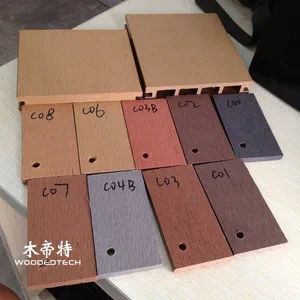 WPC Panel Room Solutions: Industrial Design, Applications, and Performance Standards
Related Products
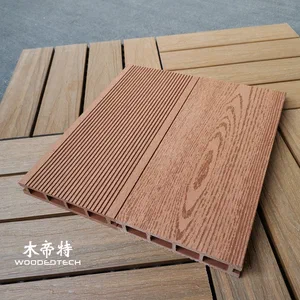 The Classic D14025-4 Red Wood WPC Wood Sheet Features a Timeless 2D Flat Wood Grain Design That Remains Popular After Twenty Years
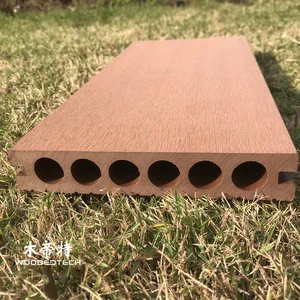 The D14025-5 Wood Composite Panels Feature a Classic Round Hole Design with Optional Embossed Wood Grain and Grooved Surfaces for Outdoor Durability
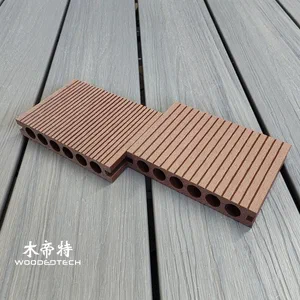 D14025-5 First Generation Large And Small Groove Redwood Color WPC Panel Material With Popular Outdoor Appearance