
wpc wall provides a modern decorative exterior solution for residential and commercial buildings
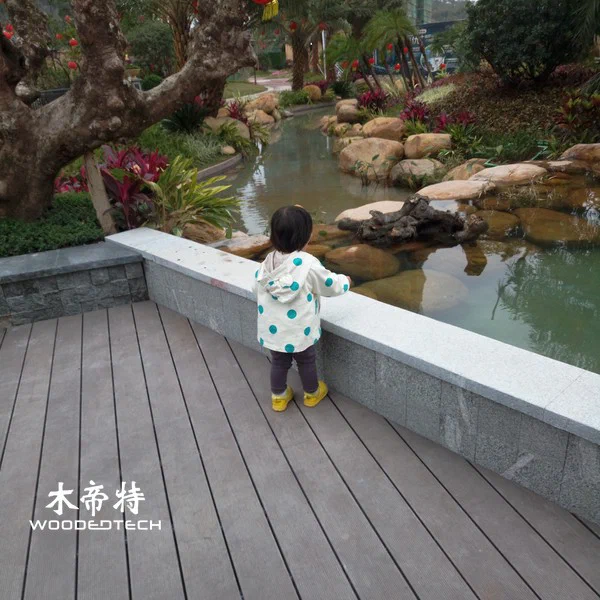
WPC wall panels offer a modern decorative exterior solution for residential and commercial buildings by combining clean design, weather resistance, and low maintenance. For architects, contractors, and developers, they create a refined facade that works across homes, offices, retail fronts, and hospitality projects.
Design trends shaping modern outdoor spaces
Today’s outdoor design leans toward simple lines, natural tones, and coordinated materials. WPC wall panels, composite decking, fences, pergolas, gazebos, and landscape products are often specified as a family of matching elements, so the exterior feels unified rather than pieced together. This approach helps designers build a stronger visual identity for a property.
Color choice plays a major role. Warm teak, deep coffee, charcoal, and soft gray are popular because they balance well with glass, stone, metal, and greenery. For commercial buildings, neutral palettes support a professional look; for residential projects, wood-effect shades bring more comfort and warmth without the upkeep of timber.
Texture is just as important as color. 3D embossed surfaces, fluted profiles, and wood-grain finishes add depth and shadow, which makes flat walls and screens feel more architectural. On a facade, a textured WPC wall panel can turn a simple exterior into a feature wall. The same idea works for privacy screens, cladding, and decorative grilles.
Profiles and modular systems improve flexibility
Modern outdoor products are moving toward modular design because it speeds up installation and makes future changes easier. Interlocking wall systems, standardized decking boards, and pre-sized fence or louver components reduce site work and improve consistency across large projects. This is especially useful for commercial developments where time, labor, and repeatability matter.

Profiles also influence the overall design language. Slim vertical panels create a taller, more elegant look, while wider horizontal boards feel stable and contemporary. Louvers, battens, and grille-style elements can be used to control sunlight, increase privacy, and add movement to building exteriors. When the same design logic is carried through pergolas, gazebos, planters, and seating, the entire landscape appears intentional.
Why WPC suits exterior applications
WPC performs well in outdoor environments because it resists moisture, fading, and warping better than many natural materials. That makes it a practical choice for wall cladding, decking, fencing, pergolas, and landscape structures that need to stay attractive with minimal maintenance. Designers also value the material’s ability to support custom finishes and product ranges for different markets.
For residential projects, WPC wall panels improve curb appeal and create a polished outdoor backdrop. For commercial spaces, they help build a durable, brand-friendly exterior that looks modern from day one and stays consistent over time.
FAQ
Q: Where can WPC wall panels be used? A: They are suitable for exterior walls, entry features, balcony screens, commercial facades, and decorative landscape structures.
Q: Why are textured WPC surfaces so popular? A: Textures add visual depth and make large exterior surfaces look more refined. They also help the finish appear closer to natural wood while keeping the benefits of WPC.
Q: Can WPC products be matched across a project? A: Yes, many projects use coordinated colors and profiles across decking, fencing, pergolas, and wall panels for a consistent modern look.
Related Articles
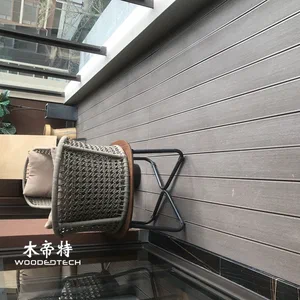 outdoor 3d wall panels create attractive textured walls with modern architectural appearance
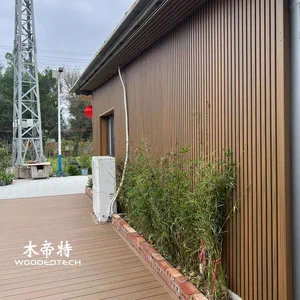 Heavy-Duty WPC Wall Panel Exterior for Weatherproof Building Cladding
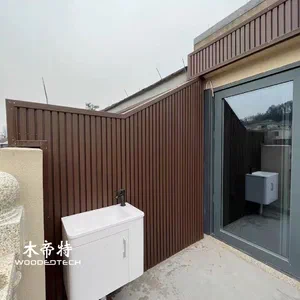 plastic wood panels for walls create stylish exterior decoration with weather resistant features
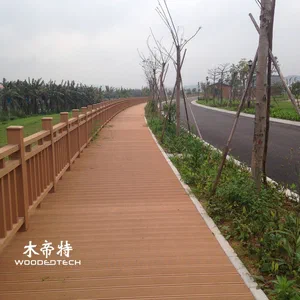 4x8 3D Wall Panels for Modern Decorative Wall Applications
Related Products
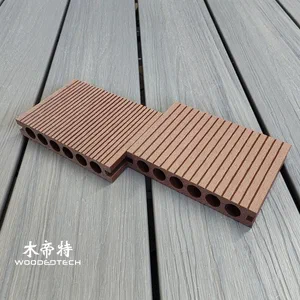 D14025-5 First Generation Large And Small Groove Redwood Color WPC Panel Material With Popular Outdoor Appearance
 B14011 WPC Paneling Sheets Feature Double Flat Surfaces with Heat Pressed Wood Grain Designs for Outdoor Styles
 B7112 WPC Panel Design Exterior Boards Offer Stocked Fence Strips for Outdoor Decoration and Edge Finishing