
WPC Wall Panels for Sale: Durable Solutions for Commercial Construction
WPC wall panels for sale provide commercial construction projects with a practical alternative to traditional wood and conventional exterior wall finishes. Made from wood fiber and thermoplastic polymers, wood plastic composite wall panels combine a natural wood appearance with moisture resistance, dimensional stability, and reduced maintenance requirements. They are suitable for commercial facades, office buildings, hotels, retail developments, public facilities, and other projects requiring durable exterior finishes.
Why Choose WPC Wall Panels for Commercial Construction?
Commercial buildings require wall materials that can maintain their appearance under frequent use and changing weather conditions. Traditional timber cladding may require regular painting, sealing, and protection against moisture, while some conventional wall finishes are vulnerable to cracking, fading, or corrosion. WPC wall panels offer a balanced solution by combining the visual appeal of wood with the practical properties of composite materials.
For developers, contractors, and building material distributors, one important advantage is long-term maintenance. Quality outdoor WPC products are designed to resist moisture, rot, and common environmental exposure. Their relatively low maintenance requirements can reduce ongoing property management costs, particularly across large commercial developments.
WPC wall cladding is also available in different profiles, surface textures, colors, and dimensions. This flexibility allows architects to create modern exterior designs without relying on natural timber throughout the building envelope.
Key Features of Wholesale WPC Wall Panels
When purchasing WPC wall panels in bulk, buyers should evaluate material composition, manufacturing quality, surface treatment, and installation compatibility. These factors directly affect product performance and project costs.
- Moisture resistance: Properly manufactured WPC panels absorb less moisture than conventional timber, helping reduce swelling, decay, and other moisture-related problems.
- Weather resistance: UV-resistant surface treatments and suitable composite formulations help maintain color and appearance during outdoor exposure.
- Dimensional stability: Consistent extrusion quality helps minimize unwanted deformation caused by normal temperature and humidity changes.
- Wood-like appearance: Embossed surfaces and realistic grain patterns provide an attractive alternative to natural wood cladding.
- Low maintenance: WPC wall panels generally do not require regular painting, staining, or wood-preservative treatment.
- Design flexibility: Multiple colors, profile shapes, and installation arrangements support different architectural requirements.
For commercial applications, buyers should also consider fire performance. Standard WPC products are not automatically fire-rated. Projects with specific building regulations should request relevant fire-test reports and confirm that the selected product meets local requirements.

Applications in Commercial Building Projects
WPC wall panels can be used across a range of commercial construction environments. Exterior wall cladding is a common application, particularly for hotels, office buildings, shopping centers, restaurants, and commercial complexes. Their wood-inspired appearance helps create contemporary facades while reducing dependence on natural timber.
For hospitality projects, outdoor WPC wall panels can enhance entrance areas, balconies, outdoor dining spaces, and decorative exterior features. In retail developments, different panel colors and textures can help distinguish storefronts and create consistent architectural branding.
Architects may also combine WPC wall cladding with glass, aluminum, stone, and other facade materials. Horizontal or vertical installation patterns create different visual effects, while fluted and 3D embossed profiles add depth to otherwise simple exterior surfaces.
However, WPC cladding should be selected according to its intended application. Exterior-grade panels are not interchangeable with interior decorative panels. Buyers should confirm the manufacturer’s recommended installation environment, exposure limitations, and technical specifications before placing an order.
Manufacturing Quality and Customization Options
Choosing a reliable WPC wall panel factory is essential for importers, construction material wholesalers, and project contractors. Consistent manufacturing quality helps ensure that panels supplied in different production batches have compatible dimensions, colors, and surface finishes.
Professional WPC manufacturers typically use extrusion technology to combine wood fiber, thermoplastic polymers, and selected additives into composite profiles. The formulation influences mechanical strength, moisture resistance, surface quality, and processing stability. Temperature control, material mixing, extrusion pressure, and cooling conditions also affect the final product.
Depending on project requirements, manufacturers may offer:
- Custom panel widths, thicknesses, and lengths.
- Different hollow or solid profile structures.
- Natural wood grain, brushed, embossed, or smooth finishes.
- Customized colors to match architectural specifications.
- Special extrusion profiles for commercial facade designs.
- OEM and private-label manufacturing services.
For large construction projects, buyers should request product samples before approving bulk production. Checking color consistency, surface finish, profile dimensions, and connection details can help prevent installation problems and unnecessary material waste.
How to Evaluate WPC Wall Panel Prices
WPC wall panel prices vary according to raw material composition, panel dimensions, profile structure, surface treatment, and order quantity. Comparing products only by price per square meter may lead to inaccurate purchasing decisions because panels with different thicknesses, densities, and performance characteristics are not directly comparable.
When requesting a wholesale quotation, international buyers should provide the following information:
- Required panel profile and dimensions.
- Estimated order quantity and total project area.
- Preferred colors and surface finishes.
- Intended application and installation environment.
- Destination country and shipping requirements.
- Any specific testing, certification, or packaging requirements.
It is also important to clarify whether the quotation includes installation accessories, mounting clips, aluminum substructures, and other supporting components. These items can affect the actual project budget.
A professional supplier should provide clear technical data, production specifications, packaging details, and realistic lead times. Buyers handling container shipments should also confirm loading quantities, packaging protection, and export documentation before finalizing the purchase.
Installation Considerations for Long-Term Performance
Correct installation plays an important role in the durability of exterior WPC wall panels. Even high-quality composite materials can experience problems if the supporting structure, ventilation, or expansion allowance is overlooked.
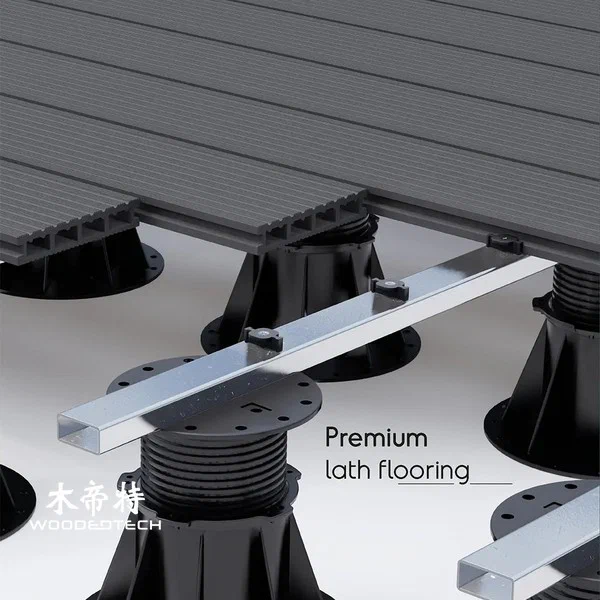
Most exterior WPC cladding systems require a suitable supporting framework and mechanical fixing arrangement. Installers should follow the manufacturer’s recommended spacing for support battens, fixing points, and expansion gaps. Adequate ventilation behind the panels helps manage moisture and temperature-related conditions.
For commercial buildings, the supporting structure must also account for wind loads, building height, substrate conditions, and local construction regulations. Appropriate corrosion-resistant fasteners and compatible accessories should be selected for the installation environment.
Before installation begins, contractors should inspect the wall substrate, establish accurate alignment, and confirm that the drainage and ventilation details are properly designed. Following the manufacturer’s installation guide helps maintain panel stability and achieve a consistent finished appearance.
For distributors and commercial construction buyers, sourcing directly from an experienced WPC manufacturer can simplify product selection, customization, and bulk purchasing. A supplier with stable extrusion capabilities, documented quality-control procedures, and export experience can provide more consistent materials for projects requiring reliable long-term exterior performance.
Related Articles


Related Products
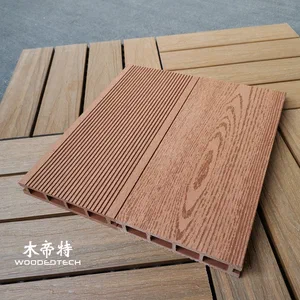 The Classic D14025-4 Red Wood WPC Wood Sheet Features a Timeless 2D Flat Wood Grain Design That Remains Popular After Twenty Years
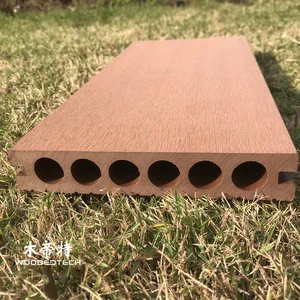 The D14025-5 Wood Composite Panels Feature a Classic Round Hole Design with Optional Embossed Wood Grain and Grooved Surfaces for Outdoor Durability
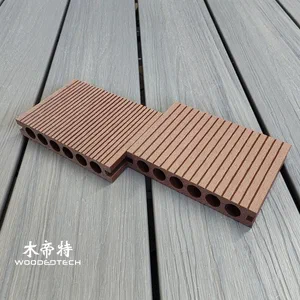 D14025-5 First Generation Large And Small Groove Redwood Color WPC Panel Material With Popular Outdoor Appearance