
WPC Wall Panels Exterior: Performance, Applications, and Selection Guide
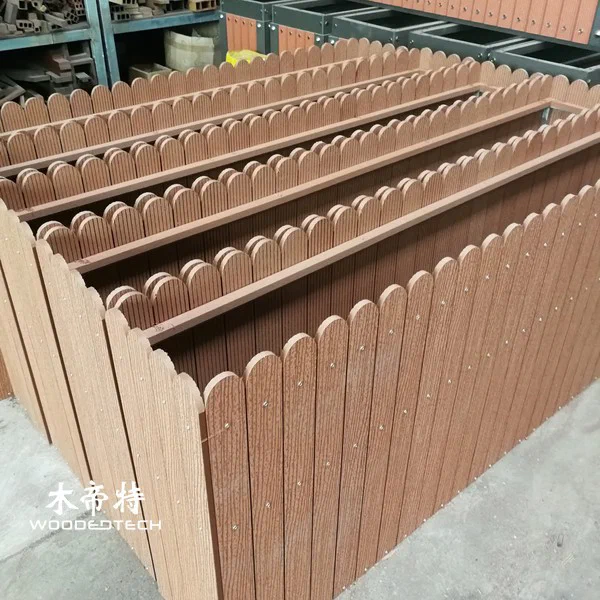
Exterior WPC wall panels are designed to enhance building facades, outdoor living spaces, and landscape structures with a wood-like appearance and practical weather resistance. Made from wood-plastic composite materials, they offer an alternative to traditional timber cladding, combining decorative flexibility with reduced maintenance requirements. When selected and installed correctly, WPC wall panels can serve residential, commercial, hospitality, and public projects.
1. Understanding Exterior WPC Wall Panel Performance
Exterior WPC wall panels typically combine wood fibers or wood flour with thermoplastic polymers and functional additives. This composition creates a material that provides a natural wood appearance while reducing some of the maintenance challenges associated with solid timber.
For outdoor applications, performance depends on the formulation, extrusion process, surface treatment, and installation system. Important characteristics include:

- Weather resistance: Quality exterior WPC panels are formulated to withstand outdoor temperature changes, rain, and humidity. Their dimensional stability depends on material quality and expansion allowances.
- UV resistance: UV stabilizers and protective surface treatments help reduce fading, discoloration, and surface aging caused by prolonged sunlight exposure.
- Moisture resistance: WPC absorbs less moisture than conventional untreated wood, making it suitable for many outdoor environments. However, it should not be treated as completely waterproof.
- Durability: Composite construction helps resist common timber problems such as splintering, cracking, and insect damage.
- Low maintenance: Routine cleaning is generally sufficient. Regular painting, staining, and wood preservation treatments are usually unnecessary.
- Design flexibility: Available profiles, colors, textures, and finishes allow architects to create contemporary facades, decorative feature walls, and wood-look exterior designs.
For projects exposed to intense sunlight, coastal humidity, or frequent rainfall, buyers should request product test data covering UV aging, water absorption, dimensional stability, and relevant mechanical properties.
2. Where Can Exterior WPC Wall Panels Be Used?
Exterior WPC wall panels are suitable for a wide range of architectural and landscaping applications. Their combination of decorative appearance and practical performance makes them particularly useful where natural wood aesthetics are desired without the same level of ongoing maintenance.
Residential Gardens and Outdoor Living Areas
In residential gardens, WPC wall panels can transform plain boundary walls, garden structures, and outdoor seating areas into attractive design features. They work well as decorative background walls, privacy screens, and exterior cladding for garden rooms.
For garden projects, consider wood-grain finishes that complement surrounding plants, stone paving, and outdoor furniture. Vertical slatted profiles can also create visual height while maintaining a modern appearance.
Commercial Landscapes and Public Spaces
Commercial landscapes often require materials that maintain a consistent appearance under frequent use and changing weather conditions. Exterior WPC panels can be applied to landscape feature walls, entrance structures, outdoor partitions, and decorative screening systems.
For shopping centers, office developments, and mixed-use properties, darker wood tones and linear profiles can create a professional architectural appearance. Project specifications should account for expected exposure, cleaning frequency, and local fire regulations.
Hotels and Hospitality Projects
Hotels, resorts, and restaurants frequently use exterior WPC wall cladding to create welcoming outdoor environments. Suitable applications include entrance feature walls, outdoor dining partitions, poolside structures, garden lounges, and decorative facades.
For hospitality projects, consistency across large installation areas is important. Buyers should confirm color availability, production batch consistency, and long-term supply capacity before placing bulk orders.
Balconies and Terraces
Exterior WPC wall panels provide an effective decorative solution for apartment balconies, rooftop terraces, and private outdoor seating areas. They can cover selected wall surfaces, create privacy features, or coordinate with WPC decking for a unified outdoor design.
For balconies with limited ventilation, installers should provide adequate drainage and airflow behind the panels. The supporting wall must also be suitable for the additional cladding system.
Swimming Pool Areas
Poolside environments expose building materials to moisture, sunlight, cleaning chemicals, and occasional splashing. WPC wall panels can be used on suitable poolside feature walls, outdoor shower enclosures, changing-area partitions, and decorative structures.
Choose products specifically tested for the intended outdoor exposure. Keep panels away from prolonged standing water, and ensure the installation allows water to drain rather than collect behind the cladding. Poolside wall panels should not automatically be considered suitable as submerged materials or as a replacement for waterproofing systems.
Parks and Recreational Facilities
In parks, gardens, and recreational developments, exterior WPC panels can be used for visitor shelters, landscape information structures, decorative partitions, and outdoor facility walls.
Their wood-like appearance integrates naturally with green spaces, while their lower routine maintenance requirements can help simplify facility management. For high-traffic public projects, specify suitable impact resistance, secure fixing systems, and graffiti-cleaning compatibility.
Public and Institutional Facilities
Schools, community centers, transport facilities, and municipal buildings can use WPC exterior wall panels for entrance decoration, facade accents, covered walkways, and outdoor architectural features.
Public projects require particular attention to fire performance, structural fixing, accessibility requirements, and local building codes. Product certification should be checked against the regulations applicable to the project location.
3. How to Select the Right Exterior WPC Wall Panel
Selecting the correct WPC wall panel requires more than comparing colors and prices. Material specifications should match the building environment, architectural design, and expected service conditions.
Consider the following factors:
- Material composition: Compare wood-plastic formulations, polymer types, additives, and manufacturing consistency.
- Surface treatment: Co-extruded panels generally offer an additional protective outer layer, which can improve resistance to stains, moisture, and UV exposure when properly manufactured.
- Profile design: Choose hollow or solid profiles according to structural requirements, installation conditions, and manufacturer recommendations.
- Dimensions: Panel width, thickness, and length affect facade appearance, installation efficiency, and material consumption.
- Color and texture: Select finishes that coordinate with windows, roofing, exterior flooring, and surrounding landscape elements.
- Environmental suitability: Check the manufacturer’s recommended exposure conditions, especially for coastal, high-humidity, and high-temperature environments.
For large commercial developments, sample approval and technical documentation should be completed before mass production. This helps reduce inconsistencies between the approved design and delivered materials.
4. Professional Installation Recommendations
Even high-quality WPC wall panels can experience problems when installed incorrectly. A suitable supporting structure and properly designed fixing system are essential for long-term performance.
First, inspect the substrate to ensure it is stable, level, and capable of supporting the cladding system. Install an appropriate subframe using materials compatible with the project environment. Aluminum or galvanized steel profiles are commonly considered, depending on corrosion exposure and structural requirements.
Maintain the ventilation gap recommended by the manufacturer, particularly for exterior walls exposed to rain and humidity. This helps moisture escape and supports airflow behind the panels.
Allow for thermal expansion and contraction. WPC expands and contracts with temperature changes, so installers must follow the manufacturer’s requirements for expansion gaps, fixing positions, and panel spacing. Avoid overtightening screws or restricting panel movement.
Pay special attention to corners, panel joints, openings, and the top and bottom edges of the installation. Appropriate flashing, drainage details, and weatherproof connections help prevent water penetration into the building structure.
For multi-story buildings and large facade projects, installation should follow an engineered fixing design that considers wind loads, panel weight, substrate conditions, and applicable building regulations.
5. Why WPC Wall Panels Are a Practical Exterior Cladding Solution
Compared with conventional timber cladding, exterior WPC wall panels can reduce routine maintenance while providing a consistent wood-inspired appearance. They also offer greater flexibility in profile design and color selection, making them suitable for both modern residential architecture and large commercial developments.
However, WPC is not a universal replacement for every exterior cladding material. Fire performance, long-term UV exposure, thermal movement, and structural fixing requirements must be evaluated for each project.
For distributors, contractors, architects, and developers, choosing an experienced WPC manufacturer is equally important. Look for consistent extrusion quality, documented product testing, customized profile capabilities, reliable production capacity, and technical support for installation.
A well-specified exterior WPC wall panel system can bring together architectural appearance, practical durability, and manageable maintenance requirements. Matching the panel construction, surface treatment, and installation method to the actual project environment is the key to achieving reliable results.
Related Articles
 Composite Decking Wall Panels: Applications, Benefits, and Market Trends
 WPC Wall Cladding Installation Requires Proper Planning for Stable and Attractive Exterior Applications
 How To Compare Wpc Wall Cladding Price For Different Outdoor Projects
 What Is Included In A Wpc Wall Cladding Installation Guide For Beginners
Related Products
 GQ21728wpc fluted wall panel with trapezoid large Great Wall design provides impressive exterior architectural style
 Q17618wpc wall panels exterior with G3 wood grain surface are popular outdoor WPC wall panels for modern exterior decoration
 4-Side Flat Wood Plastic Composite Grilles L7050 with Realistic Timber Effect