
wpc wall panels designs provide creative exterior decoration ideas with different textures and colors

WPC wall panels designs are changing how architects and property owners approach exterior decoration. With the right mix of textures, colors, and profiles, they create clean, modern surfaces that also coordinate with decking, fencing, pergolas, gazebos, and landscape features.
Modern color directions for outdoor spaces
Today’s outdoor design leans toward calm, natural shades rather than bright contrast. Warm teak, charcoal, walnut, and grey tones work well because they connect easily with stone, metal, glass, and greenery.
For wall panels, color does more than decorate. It can make a small courtyard feel wider, soften a hard facade, or give a commercial frontage a more premium look. Matching the panel color with composite decking colors or fence panels helps the whole site feel intentional instead of pieced together.
Texture and profile create the visual character
Texture is where WPC wall panels stand out. Fluted, embossed, wood grain, and slatted surfaces each bring a different mood. A 3d wpc wall panel adds depth and shadow, while a smoother wood plastic composite wall panel gives a quieter, more architectural finish.
Profile choice also matters. Horizontal lines can stretch a narrow wall visually, while vertical layouts make a building look taller. When used on exterior wall paneling, these profiles can frame entrances, highlight garden backdrops, or define seating areas without adding heavy ornamentation.
Matching wall panels with other WPC products
Modern outdoor projects often work best as a system, not as single products. A coherent palette across composite decking, composite pergola, composite gazebo, and composite fence keeps the design language consistent from the ground to the roofline.

This approach is especially effective in hospitality, villas, and retail landscapes:
- decking for circulation and leisure zones
- wall panels for facades and privacy screens
- pergolas and gazebos for shaded gathering areas
- planters and benches for softer landscape detailing
Modular WPC components also simplify planning. Standardized sizes, hidden fixing systems, and interchangeable profiles make installation faster and future expansion easier.
Why modular design is gaining ground
Modular outdoor products are popular because they balance design freedom with practical performance. Builders can combine panel lengths, angles, and surface finishes to suit different wall heights and site layouts. That makes them useful for both full facade coverage and small decorative accents.
For product designers, modularity also supports smarter manufacturing. It reduces waste, improves consistency, and allows the same design family to be used across wpc wall panels, fences, louvers, and decorative screens. The result is a cleaner project identity with fewer custom complications.
FAQ
Q: What makes WPC wall panels suitable for modern exterior decoration? A: They combine wood-like style with weather resistance and low maintenance. They also offer flexible colors and textures for different building types.
Q: How do WPC wall panels work with other outdoor products? A: They pair well with composite decking, pergolas, gazebos, and fencing to create a unified outdoor design. Using matching colors and profiles gives the space a more polished look.
Q: Are textured WPC wall panels only for decorative use? A: No, they also help add depth, hide plain surfaces, and improve visual balance. Many projects use them as both a design feature and a practical cladding solution.
Related Articles
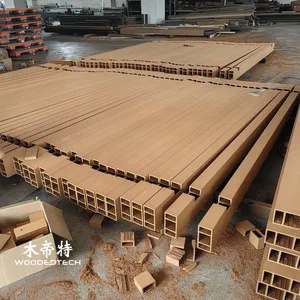 3d wpc wall panel design creates modern outdoor walls with realistic decorative surface effects
 wpc wall panel design exterior solutions provide modern decorative options for outdoor building surfaces
 wood wall panel plastic combines decorative wood effects with moisture resistant outdoor performance
 wpc wall panels provide modern exterior decoration solutions with low maintenance advantages
Related Products
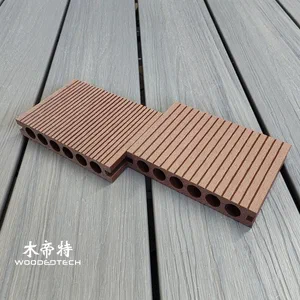 D14025-5 First Generation Large And Small Groove Redwood Color WPC Panel Material With Popular Outdoor Appearance
 B14011 WPC Paneling Sheets Feature Double Flat Surfaces with Heat Pressed Wood Grain Designs for Outdoor Styles
 WPC Wall Panel Accessories Offer Complete Solutions with Various Common and Specialized Installation Parts