
wpc wall panel wood plastic combines natural appearance with durable exterior decoration performance

WPC wall panel wood plastic combines a natural wood look with the weather resistance and low-maintenance performance needed for modern exterior projects. For today’s outdoor spaces, it is more than a finish material: it helps define style, improve durability, and create a cleaner architectural language across walls, fences, pergolas, and landscape features.
Design direction for modern outdoor spaces
Modern outdoor design has moved toward calm colors, simple lines, and materials that feel consistent across the whole project. In composite decking, wall panels, fences, and pergolas, buyers now look for coordinated tones such as charcoal, teak, coffee, and ash gray because they make the space feel planned rather than assembled piece by piece.
Surface texture matters just as much. A realistic wood grain, brushed finish, or 3D embossed pattern adds depth without the upkeep of natural timber. On a wpc wall panel, these textures help break up large exterior surfaces and make facades look warmer and more refined.
How profiles and modular systems improve function
Profiles influence both appearance and installation efficiency. Narrow slats, fluted panels, flat boards, and shadow-gap designs all create different visual effects, from minimalist to more decorative. Modular systems make it easier to maintain consistent spacing and alignment, which is especially useful for long walls, privacy fences, and pergola ceilings.
For manufacturers and project owners, modular WPC products also simplify customization:
- matching wall panels with decking and railing
- combining vertical and horizontal layouts
- creating uniform transitions between indoor and outdoor zones
- reducing installation time on large commercial or residential sites
This flexibility is one reason wood plastic composite is widely used in landscape products such as planters, screens, benches, and decorative partitions.
Color and texture choices that lift exterior decoration
Color selection should support the architecture, not compete with it. Dark tones work well for modern villas, resort entrances, and feature walls because they frame greenery and stone more strongly. Lighter wood tones are often preferred for family homes and leisure areas because they feel open and relaxed.
Texture adds realism and also helps hide minor surface marks in daily outdoor use. A well-designed exterior wall panel can deliver the look of natural timber while offering stronger resistance to moisture, insects, and fading. That balance is why WPC is increasingly chosen for exterior decoration performance where style and durability both matter.
A unified look across the whole landscape
The strongest outdoor projects use one material family across multiple product types. A composite deck, matching wall cladding, a coordinated fence, and a pergola with similar finishes create visual continuity. When the same design language extends to gazebos, louvers, and garden accessories, the space feels more premium and more complete.

This is where wpc wall panel wood plastic products stand out: they support modern design trends without forcing compromises on maintenance or weather resistance. They give designers a reliable way to build attractive, practical, and brand-consistent outdoor environments.
FAQ
Q: Why are WPC wall panels popular for exterior decoration? A: They provide a wood-like appearance with better resistance to moisture, fading, and everyday weather exposure. They also require less maintenance than natural timber.
Q: Can WPC wall panels be matched with decking and fences? A: Yes, many projects use the same color and texture family across decking, fencing, pergolas, and wall panels. This creates a unified outdoor design.
Q: What design features are most important in modern WPC products? A: Buyers usually focus on color consistency, realistic texture, clean profiles, and modular installation. These features improve both appearance and project efficiency.
Related Articles
Related Products
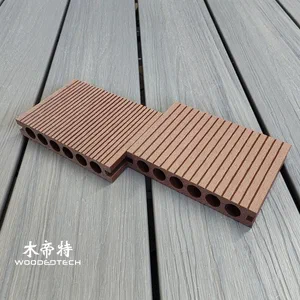 D14025-5 First Generation Large And Small Groove Redwood Color WPC Panel Material With Popular Outdoor Appearance
 B14011 WPC Paneling Sheets Feature Double Flat Surfaces with Heat Pressed Wood Grain Designs for Outdoor Styles
 B17010 Plastic Wood Look Siding Provides Decorative Thin Boards for Modern Outdoor Wall Applications