
WPC Wall Panel Installation Guide: Best Practices for Industrial Projects
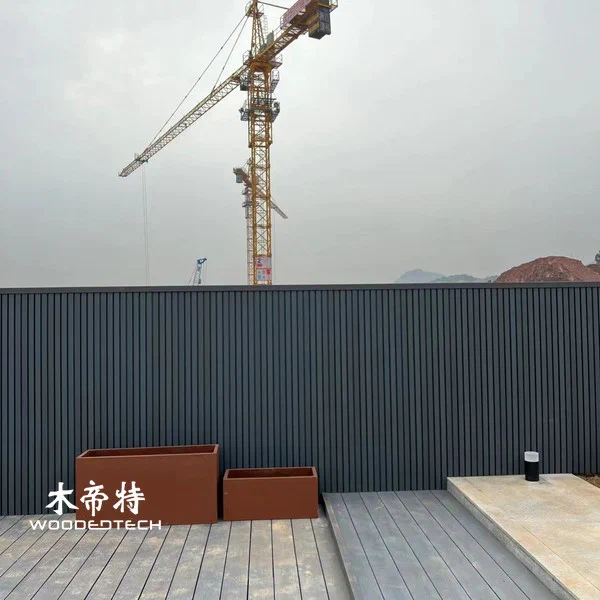
WPC wall panel installation for industrial projects requires careful planning, accurate subframe preparation, and correct fixing techniques to achieve a stable, durable, and professional finish. Whether installing exterior wall cladding or decorative composite panels, following the manufacturer’s specifications and allowing for material expansion are essential to long-term performance.
1. Prepare the Wall Surface and Installation Area
Before starting the installation, inspect the existing wall structure and confirm that it can support the combined weight of the subframe and WPC panels. Industrial projects often involve large wall areas, exposed environments, and demanding operating conditions, making proper preparation particularly important.
Check the wall for cracks, loose materials, moisture problems, and uneven surfaces. Repair structural defects before installing the cladding system. Remove dust, oil, debris, and other contaminants that could interfere with fixing or subframe alignment.
For exterior applications, assess drainage conditions and ventilation requirements. The wall assembly should prevent water from becoming trapped behind the panels. Where necessary, install a suitable waterproofing or weather-resistant membrane according to the building design.
Before installation, prepare the following equipment:
- Measuring tape and laser level
- Drill and appropriate drill bits
- Circular saw or fine-tooth cutting saw
- Screwdriver and fastening tools
- Stainless steel or corrosion-resistant screws
- Compatible clips and mounting accessories
- Safety glasses, gloves, and dust protection
Check the delivered WPC wall panels for consistent dimensions, visible damage, and color variation. Allow the materials to acclimate according to the manufacturer’s instructions before installation.
2. Install and Align the Supporting Subframe
The subframe provides the structural support for the WPC wall cladding system. For industrial projects, commonly used options include galvanized steel, aluminum profiles, and other approved corrosion-resistant support systems.
Start by marking the installation layout on the wall. Use a laser level to establish straight reference lines and determine the position of each vertical or horizontal support profile.
The subframe arrangement depends on the panel orientation:
- Vertical WPC panels generally require horizontal support battens.
- Horizontal WPC panels generally require vertical support battens.
- Decorative arrangements should follow the approved installation drawings.
Set the spacing between support profiles according to the panel manufacturer’s recommendations, panel dimensions, expected loads, and project conditions. Do not assume that one spacing specification suits every WPC product.
Secure the profiles to the supporting structure using suitable anchors and fasteners. Select fixing hardware based on the wall substrate, environmental exposure, and engineering requirements.
Check that all profiles are firmly fixed and aligned on the same plane. Uneven supports can cause visible gaps, panel distortion, and inconsistent joints. For exterior installations, incorporate the required drainage and ventilation cavity behind the cladding.
3. Choose the Correct WPC Panel Fixing Method
The fixing method depends on the panel profile, installation direction, and project design. Two common approaches are concealed clip fixing and direct screw fixing.
Concealed Clip Fixing
Concealed clips are commonly used with compatible interlocking WPC wall panels. They provide a cleaner appearance because most fixing hardware remains hidden after installation.
The general procedure is:
- Position the first panel according to the approved starting reference line.
- Secure the compatible starter clips or mounting accessories to the subframe.
- Fit the panel into the clips and check its alignment.
- Install the next row using the manufacturer’s specified connection method.
- Continue across the wall, checking alignment and joint consistency regularly.

Use only clips designed for the selected panel profile. Incorrect accessories may prevent proper engagement or restrict the movement required for thermal expansion.
Direct Screw Fixing
Some WPC wall panel systems allow direct mechanical fixing through designated fixing points. This method may be suitable for specific solid profiles or applications requiring accessible mechanical connections.
Pre-drill where required to reduce the risk of splitting or surface damage. Position screws according to the manufacturer’s fixing details and avoid overtightening. Excessive fastening pressure can restrict panel movement or damage the material.
For large industrial installations, maintain consistent fixing positions and inspect the connection quality throughout the installation process.
4. Allow Proper Expansion and Contraction Gaps
Thermal movement is one of the most important considerations when installing outdoor WPC wall panels. Wood plastic composite materials expand and contract as temperatures change, so panels must not be installed too tightly.
Leave the specified expansion gaps at:
- Panel ends and adjoining joints
- Wall corners and external edges
- Connections with ceilings, floors, and other building elements
- Fixed structural obstacles and surrounding architectural components
The required clearance depends on panel length, installation temperature, product formulation, and the manufacturer’s technical data.
For long industrial walls, pay particular attention to end-to-end connections. Where the system requires expansion joints, incorporate them at the specified intervals rather than creating one continuous, tightly fitted surface.
Never fill movement gaps with rigid materials unless the approved system specifically requires them. Sealants, trims, and joint accessories must be compatible with the WPC product and allow the required movement.
5. Cut and Finish WPC Panels Accurately
Accurate cutting helps achieve clean edges and professional-looking connections around windows, doors, corners, and other architectural details.
Measure each section carefully before cutting. Mark the required dimensions and check them against the installation drawings. Use a suitable circular saw with an appropriate fine-tooth blade to achieve clean cuts.
For a consistent result:
- Support the panel securely during cutting.
- Cut slowly to reduce chipping and surface damage.
- Wear suitable eye and respiratory protection.
- Remove cutting dust and loose debris before fitting.
- Check each cut panel against the installation position before fastening.
For corners and exposed edges, use compatible WPC trims, aluminum profiles, or manufacturer-approved finishing accessories. These components help create a neat appearance while protecting exposed panel edges.
When working around electrical conduits, pipes, ventilation outlets, and other building services, measure openings carefully. Keep cutouts within the permitted dimensions and avoid weakening the panel’s fixing areas.
6. Final Inspection and Installation Quality Control
Once all panels have been installed, inspect the entire WPC wall cladding surface. Industrial projects benefit from a documented quality-control process because installation defects can become expensive to correct after the building is handed over.
Check the following points:
- Panel alignment and consistent spacing
- Secure engagement of clips and mechanical fasteners
- Correct expansion clearances
- Proper installation of corner and edge trims
- Adequate drainage and ventilation openings
- No visible cracks, damaged edges, or excessive surface scratches
Check the wall from different viewing angles to identify uneven joints or alignment problems. Replace damaged components rather than attempting unapproved repairs that could affect the system’s performance.
Where required, record inspection results and obtain approval before removing access equipment or completing the project handover.
7. Maintenance Tips for Long-Term Performance
WPC wall panels generally require less maintenance than traditional timber cladding, but regular cleaning and inspection remain important, particularly in industrial environments.
Clean the surface with water, a soft brush, and a mild detergent when necessary. Avoid aggressive chemicals, abrasive cleaning pads, and cleaning equipment that exceeds the manufacturer’s recommended pressure limits.
Inspect the panels periodically for loose fasteners, damaged clips, blocked drainage openings, and signs of excessive movement. Pay particular attention to areas exposed to strong sunlight, heavy rain, industrial dust, or frequent temperature fluctuations.
Remove accumulated dirt and debris from ventilation cavities and drainage paths where accessible. Replace damaged accessories promptly and ensure that any maintenance work preserves the original fixing and expansion requirements.
For large commercial and industrial facilities, establishing a scheduled inspection and cleaning program helps maintain the appearance and reliability of the WPC cladding system. Correct installation, suitable fixing accessories, and routine maintenance all contribute to a dependable exterior wall solution.
Related Articles
 What Is Included In A Wpc Wall Cladding Installation Guide For Beginners
 Facade Composite Panels: Installation Best Practices and Common Mistakes
 WPC for Wall Cladding: Industrial Applications, Benefits, and Material Selection
 Wood Plastic Composite Wall Panel: Benefits, Applications, and Industry Trends
Related Products
 T4040 is an uncommon L shape right angle decorative edge trim used for wpc panel outdoor applications
 Q17618 wpc wall panel outdoor with flat sanding surface delivers a simple natural appearance for modern exterior designs
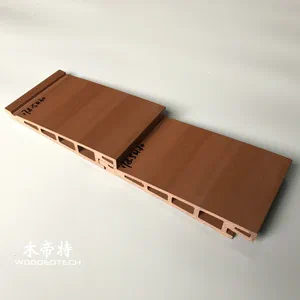 Q178.530 Slanted Stack WPC Cladding Panels for Better Moisture Resistance on Exterior Walls