
WPC wall panel fluted creates elegant vertical textures for modern exterior and interior walls
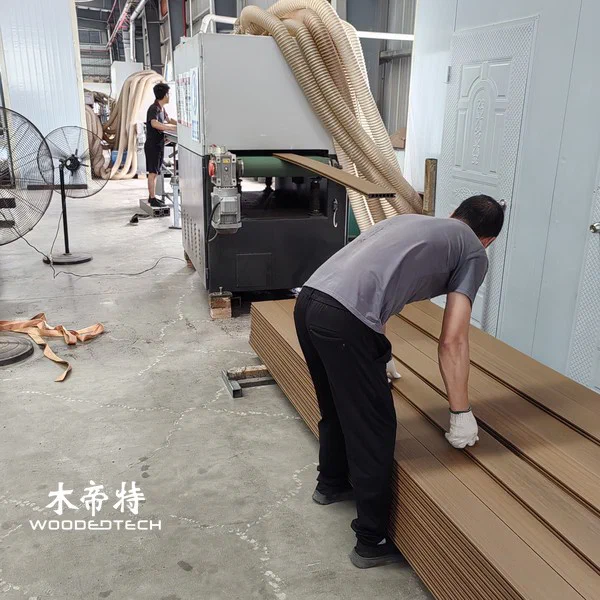
WPC wall panel fluted creates elegant vertical texture for modern exterior and interior walls, bringing depth, rhythm, and a clean architectural look. For designers and builders, it is a practical way to add visual structure while keeping maintenance low and performance reliable.
Vertical lines that sharpen modern spaces
Fluted panels work because vertical grooves change how light moves across a surface. In daylight, they create soft shadows; at night, they give walls a calm, premium presence. That makes them a strong choice for feature walls, entry facades, reception areas, and interior backdrops where plain flat panels can feel too simple.
The same design language also translates well across outdoor products. Composite decking with subtle grain, fences with slatted profiles, pergolas with clean beams, and gazebos with modular frames all benefit from the same modern rule: keep the surface refined, the lines consistent, and the overall shape easy to read.
Colors, textures, and profiles matter
Color is one of the fastest ways to shape the mood of a project. Warm teak and walnut tones create a natural residential feel, while gray, charcoal, and coffee shades suit commercial buildings and contemporary homes. Pairing fluted wall panels with matching decking or fencing helps the whole site feel coordinated instead of pieced together.
Texture is just as important. A fine matte finish looks more architectural than a glossy surface, and a wood-grain effect adds warmth without the upkeep of timber. Profiles also influence the final result:

- Deep flutes create stronger shadow lines
- Narrow flutes feel more delicate and refined
- Wider panels reduce joints and give a cleaner facade
- Matching corner and trim details make installation look seamless
Modular design for faster, cleaner projects
Modern outdoor design depends on modular thinking. Panels, fence sections, pergola frames, and landscape elements are easier to install when sizes repeat and components fit together neatly. That helps contractors reduce labor time and gives property owners a consistent finish across walls, screens, planter boxes, and seating zones.
WPC is especially suited to this approach because it can be formed into wall panels, cladding, louvers, grilles, and deck boards with the same visual family. When a project uses related profiles, the exterior feels intentional from the fence line to the patio and from the garden wall to the pergola roof.
A flexible material for exterior and interior use
Fluted WPC wall panels are not limited to facades. They also work well in lobbies, corridors, TV walls, and commercial feature spaces where a vertical texture adds height and elegance. Outdoors, they pair naturally with composite decking, privacy screens, and landscape structures that need weather resistance and a polished appearance.
For architects and buyers, the appeal is simple: one material system can support multiple design elements while keeping color, texture, and maintenance requirements under control.
FAQ
Q: Where do fluted WPC wall panels work best? A: They are ideal for feature walls, building facades, entrances, lobbies, and interior accent areas. Their vertical texture adds depth without overwhelming the space.
Q: Can fluted panels match other WPC outdoor products? A: Yes, they can be coordinated with decking, fences, pergolas, and louvers in similar colors and finishes. This creates a unified design across the property.
Q: Why choose WPC over natural wood for modern wall design? A: WPC offers a wood-like appearance with better resistance to moisture, fading, and routine wear. It is a practical choice for projects that need a clean look and lower maintenance.
Related Articles
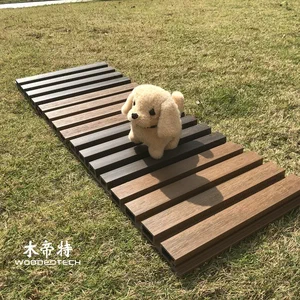 Exterior WPC Fluted Panel for Modern Decorative Building Facades
 WPC 3d wall panel creates attractive three dimensional wall decoration effects for modern spaces
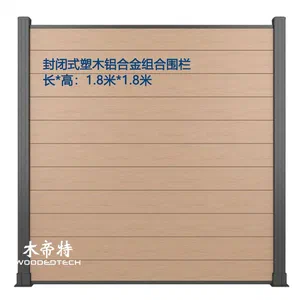 3D WPC wall panel price helps customers evaluate decorative wall solutions for different projects
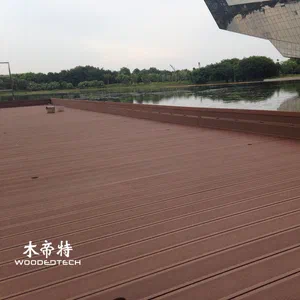 DIY wpc wall panel allows easy installation for stylish interior and exterior wall decoration projects
Related Products
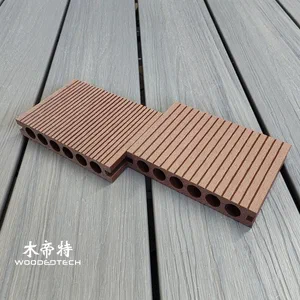 D14025-5 First Generation Large And Small Groove Redwood Color WPC Panel Material With Popular Outdoor Appearance
 B14011 WPC Paneling Sheets Feature Double Flat Surfaces with Heat Pressed Wood Grain Designs for Outdoor Styles
 WPC Wall Panel Accessories Offer Complete Solutions with Various Common and Specialized Installation Parts