
WPC Wall Panel Fence: Industrial Applications, Benefits, and Selection Criteria
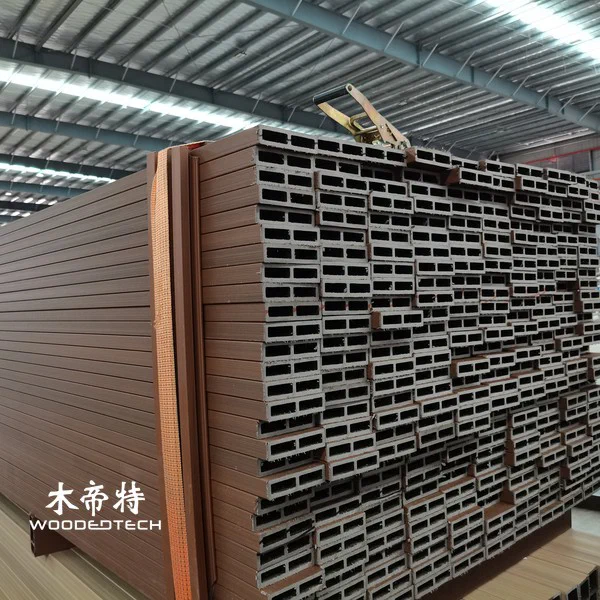
WPC wall panel fences are used in a wide range of industrial, commercial, and outdoor environments where privacy, weather resistance, and long-term durability are important. Made from wood plastic composite, these fencing systems combine the natural appearance of wood with the practical advantages of composite materials, making them suitable for factories, warehouses, logistics centers, commercial properties, and public infrastructure.
Industrial Applications of WPC Wall Panel Fences
Industrial facilities require fencing that can withstand regular outdoor exposure while maintaining a clean and professional appearance. WPC panel fences can be used around factory boundaries, production facilities, equipment areas, and employee zones. Their solid panel construction provides visual screening, helping separate operational areas from surrounding properties and restricting unwanted views into sensitive locations.
For manufacturing plants and warehouses, WPC fence panels are particularly useful along perimeter boundaries, loading areas, and outdoor storage zones. They create a consistent boundary without the industrial appearance of conventional metal fencing. Where noise reduction is a consideration, solid composite panels may provide some sound screening, although their actual acoustic performance depends on panel thickness, joint design, fence height, and installation quality. Projects requiring certified security or acoustic performance should use independently tested systems.
Commercial and Public Facility Applications
Commercial landscapes, hotels, shopping centers, and office complexes often need fencing that combines functionality with architectural design. WPC wall panel fences can define property boundaries, screen waste collection areas, conceal mechanical equipment, and create private outdoor spaces for customers and employees.
In hotels and resorts, composite fencing works well around garden pathways, outdoor dining areas, service entrances, and recreational facilities. Wood-look finishes complement landscaping and outdoor furniture while reducing the maintenance demands associated with traditional timber fencing.
Public facilities such as parks, schools, community centers, and recreational complexes can also benefit from WPC fencing. It can be installed around landscaped zones, pedestrian areas, maintenance compounds, and designated activity spaces. For public projects, application engineers should evaluate impact resistance, fire performance, slip-related risks around access points, and compliance with local building and safety regulations.
Key Benefits of WPC Panel Fencing
WPC fencing offers several practical advantages over conventional wood fencing, particularly in environments exposed to changing weather conditions.
- Moisture resistance: WPC generally absorbs less moisture than untreated timber, reducing the risk of swelling, rot, and decay when properly manufactured and installed.
- Lower maintenance: Composite panels do not require routine painting, staining, or wood-preservative treatments. Periodic cleaning and inspection are still necessary.
- Weather resistance: UV-stabilized formulations and suitable surface treatments help reduce fading and weathering caused by sunlight, rain, and temperature changes.
- Consistent appearance: Factory-produced profiles offer more uniform dimensions, colors, and surface textures than natural wood.
- Design flexibility: Available finishes can replicate natural wood grain or create contemporary architectural styles.
- Sustainable material options: Many WPC products incorporate recycled plastics and wood fibers, helping reduce reliance on virgin raw materials.
However, WPC should not automatically be considered maintenance-free, fireproof, or structurally equivalent to steel. Material composition, extrusion quality, reinforcement, and environmental exposure all influence actual performance.
Selecting the Right WPC Wall Panel Fence
Choosing a suitable WPC panel fence requires more than comparing appearance and purchase price. Industrial buyers should evaluate the operating environment, required service life, installation conditions, and project specifications.
First, consider the material formulation. The ratio of wood fiber to polymer, additives, and manufacturing process affect dimensional stability, moisture resistance, color retention, and mechanical properties. For outdoor industrial applications, request technical data covering water absorption, UV aging, impact resistance, and flexural strength.
Second, select an appropriate panel structure. Hollow profiles are generally lighter and may offer cost advantages, while solid profiles provide greater material density and can be suitable for applications requiring additional rigidity. The correct option depends on panel dimensions, support spacing, wind exposure, and structural requirements.
Third, evaluate the supporting framework. Fence posts, aluminum reinforcement, brackets, fasteners, and foundation systems are essential components of the complete installation. Large industrial boundaries may experience substantial wind loads, so engineers should calculate post spacing, foundation depth, and connection strength according to local design requirements.
Surface finish and color also deserve attention. Dark finishes can absorb more solar heat, potentially increasing thermal expansion. Lighter colors may be preferable in locations with intense sunlight. For large commercial projects, consistent color availability and replacement-panel supply should be confirmed before ordering.
Installation and Engineering Considerations
Correct installation is essential to achieving reliable WPC fence performance. Composite materials expand and contract with temperature changes, so installers must follow the manufacturer’s specified expansion gaps and fixing methods. Panels should not be tightly constrained between posts unless the system has been designed for that purpose.
The foundation must match the soil conditions, fence height, and expected wind loads. Concrete footings, metal posts, and reinforced connections may be necessary for exposed industrial locations. Where the fence is installed near drainage channels, swimming pools, or frequently washed outdoor areas, the supporting structure should also be protected against corrosion and standing water.
Before installation, inspect the ground level and establish a consistent alignment. Provide adequate clearance between the bottom of the panels and the ground to reduce prolonged contact with soil and standing water. For coastal, high-temperature, or chemically exposed industrial environments, request project-specific material compatibility information.
Working with a Reliable WPC Fence Manufacturer
For distributors, contractors, and industrial project developers, choosing an experienced WPC manufacturer is an important part of procurement. A reliable supplier should provide detailed product specifications, installation guidance, sample materials, and documented performance information.

OEM and customized manufacturing capabilities can also be valuable when projects require non-standard panel widths, specific colors, wood-grain textures, aluminum-framed structures, or coordinated gate and boundary systems. Before placing a bulk order, confirm dimensional tolerances, production consistency, packaging standards, delivery schedules, and warranty conditions.
A well-designed WPC wall panel fence should be selected as a complete fencing system rather than an individual decorative panel. Matching the material formulation, structural supports, installation method, and environmental requirements helps industrial buyers achieve a durable boundary solution with predictable maintenance demands and a professional exterior appearance.
Related Articles
 WPC Outdoor Gate Design: Durable Solutions for Modern Commercial Applications
 WPC Fence vs Wood Fence: A Comprehensive Guide for B2B Buyers
 Wood plastic composite fence offers durable outdoor privacy solutions with modern decorative styles
 WPC Fence Panels for Sale: A B2B Guide to Quality, Pricing, and Supply
Related Products
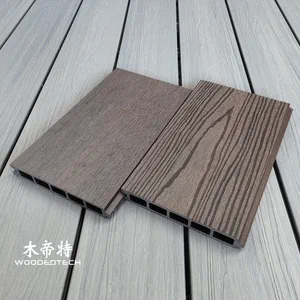 3DGL18024 Composite Fence Panels Feature Premium Co Extruded 3D Embossed Rosewood Grain Texture with Realistic Natural Wood Fibers
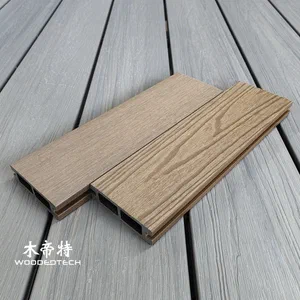 3DGL9024 Composite Fence Features Premium Co Extruded 3D Embossed Teak Wood Grain Texture with Realistic Natural Wood Fibers
 wpc fence boards work with aluminum post systems to make outdoor fence installation easier and more efficient