
Wpc wall panel dimensions help customers select suitable exterior cladding sizes for projects
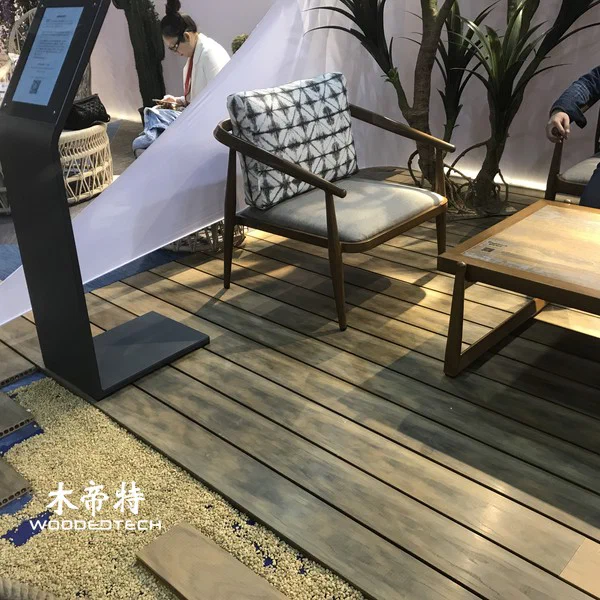
Wpc wall panel dimensions determine how quickly a project installs, how clean the facade looks, and whether the final cladding fits the building grid without extra cutting. For global buyers, the right size is not only about appearance; it also affects freight efficiency, labor time, and total project cost.
Why dimensions matter
A WPC wall panel factory usually offers several standard widths, thicknesses, and lengths so customers can match local construction habits and site conditions. Common requests include narrow profiles for accent walls, wider boards for fast coverage, and longer lengths to reduce joints on large exterior facades. When a buyer shares the project drawing, the manufacturer can recommend the most practical panel size based on wall height, support spacing, wind exposure, and installation method.
OEM customization goes beyond changing a number on the spec sheet. A reliable supplier can adjust the profile structure, tongue-and-groove detail, fixing slot, and edge finish so the panel performs correctly in the target market. That is especially important for exterior wall projects, where thermal movement, drainage, and ventilation must be considered together with visual design.

Custom options for global projects
Color matching is one of the most requested services. Some clients want natural wood shades for residential buildings, while others need charcoal, coffee, teak, or modern grey tones for commercial projects. Surface texture can also be customized, including wood grain, brushed finish, embossed pattern, or flat modern lines. This allows the same panel family to serve different markets without changing the core product system.
Packaging and branding are equally important for export customers. Manufacturers can provide private label cartons, printed installation guides, barcode labels, and pallet marking to support retail sales or contractor distribution. For large projects, the factory may also offer mixed-container loading, batch coding, and project-specific packing lists so the goods arrive organized and easy to handle on site.
Special applications and project support
Some buyers need more than standard cladding. A factory with strong product development capability can build solutions for curved walls, ceiling use, balcony upgrades, column wrapping, or high-traffic commercial facades. In these cases, the manufacturer may recommend a different wall panel thickness, stronger substructure, or enhanced surface treatment to improve durability and weather resistance.
For overseas customers, the best supplier acts as an OEM partner, not just a seller. That means reviewing drawings, suggesting the right wpc wall cladding dimensions, testing sample colors, confirming loading quantity, and aligning the product with local market requirements. When those details are handled early, the customer gets a cleaner installation, fewer material losses, and a more dependable result.
FAQ
Q: How do I choose the right WPC wall panel dimensions for my project? A: Start with the wall area, installation layout, and required visual effect. A manufacturer can then recommend the best width, thickness, and length for coverage and stability.
Q: Can the factory customize both size and appearance? A: Yes. OEM suppliers can adjust profile dimensions, colors, surface texture, and finishing details to match project and market needs.
Q: What special services help export buyers most? A: Private label packaging, carton branding, loading optimization, and project-based technical support are the most useful services for overseas customers.
Related Articles
Related Products
 Composite deck with wood railing offers high customization options for different outdoor design requirements
 Φ200 extra large round column is rarely produced by manufacturers with technology for fake wood plastic outdoor structures
 GQ21728wpc fluted wall panel with trapezoid large Great Wall design provides impressive exterior architectural style