
WPC Wall Panel Design: Industrial Trends, Applications, and Material Selection Guide
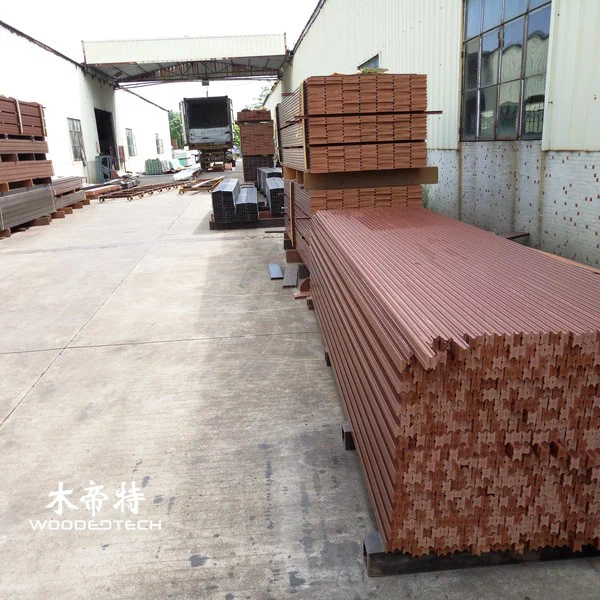
WPC wall panels combine the natural appearance of wood with the practical benefits of wood-plastic composite materials. Modern designs are moving beyond simple flat boards toward textured surfaces, three-dimensional profiles, mixed finishes, and modular installation systems. For architects, contractors, and distributors, selecting the right WPC wall panel means balancing appearance, weather resistance, structural performance, and installation requirements.
1. Modern WPC Wall Panel Design Trends
Contemporary outdoor architecture increasingly favors clean lines, natural colors, and materials that require less maintenance. WPC wall panels fit these preferences while offering flexibility in surface finishes and profile designs.
Several design directions are becoming popular:
- Vertical slatted panels: Create a sense of height and bring rhythm to exterior facades, garden walls, and balcony partitions.
- Horizontal cladding: Give buildings a wider, more contemporary appearance and work well with minimalist architectural styles.
- Fluted wall panels: Feature repeated grooves that create depth and subtle shadows, making large wall surfaces more visually interesting.
- 3D embossed panels: Reproduce realistic wood grain or geometric patterns for projects that need a stronger decorative effect.
- Mixed-material designs: Combine WPC with aluminum, glass, stone, or concrete to create contrast between natural-looking textures and industrial finishes.
Modular panel systems are another important development. Standardized widths, coordinated corner accessories, and compatible mounting components make it easier to create consistent designs across different project areas.
2. Industrial Design Applications and Material Combinations
Industrial-inspired outdoor spaces often use dark colors, geometric structures, exposed metal, and contrasting textures. WPC wall panels can support this style without relying entirely on natural timber.
Charcoal gray, graphite, black, and weathered brown are popular choices for industrial-style facades. These colors work particularly well with black aluminum frames, concrete surfaces, and metal fencing. For projects seeking a softer appearance, warm oak, teak, and walnut finishes can balance the cooler tones of industrial materials.
The choice of profile also changes the architectural effect. Narrow slats create a refined, lightweight appearance, while wider boards produce a more solid facade. Deep grooves introduce stronger shadows, particularly when sunlight reaches the wall from an angle.
WPC is also useful beyond exterior building walls. Designers can coordinate wall panels with composite decking, privacy fences, pergolas, and decorative screens to establish a consistent visual language throughout an outdoor environment.
Common applications include:
- Residential exterior walls and garden boundaries.
- Commercial building facades and entrance features.
- Hotel balconies, terraces, and outdoor lounge areas.
- Poolside privacy walls and landscape partitions.
- Retail displays and decorative exterior structures.
3. Choosing Colors, Textures, and Panel Profiles
Color selection should consider the building’s architecture, surrounding landscape, sunlight exposure, and other exterior materials. Neutral colors offer flexibility, while wood-inspired finishes create a warmer and more natural atmosphere.
| Design direction | Recommended colors | Suitable profiles |
|---|---|---|
| Industrial modern | Charcoal, graphite, black | Deep-groove slats |
| Natural contemporary | Teak, oak, walnut | Wood-grain panels |
| Minimalist | Light gray, beige | Flat or narrow slats |
| Luxury exterior | Dark walnut, coffee | 3D embossed profiles |
| Coastal modern | Light brown, sand | Wide horizontal boards |
Texture is just as important as color. Embossed wood grain provides a more realistic timber appearance, while brushed and matte finishes create a restrained contemporary look. Fluted surfaces add depth without requiring complicated decorative elements.
When selecting profiles, consider the scale of the installation. Narrow panels are suitable for detailed architectural features and smaller spaces. Wider profiles can simplify installation across large walls and create a cleaner visual appearance.
For exposed outdoor applications, color stability and UV resistance should also be considered. Dark finishes can absorb more solar heat, so the expected surface temperature and product specifications should be evaluated before final selection.
4. WPC Material Selection: Standard, Co-Extrusion, and Surface Finishes
Not all WPC wall panels have the same material structure or performance. The right selection depends on the project environment, expected service conditions, and budget.
Standard WPC panels generally use a wood fiber and thermoplastic composite formulation. They offer a wood-like appearance and can be manufactured in different colors, shapes, and surface textures.
Co-extrusion WPC panels feature an additional protective polymer layer around the composite core. This outer layer can improve resistance to moisture, staining, UV exposure, and surface wear, depending on the product formulation and manufacturing quality.
Important material selection factors include:
- Material composition: Check the wood fiber content, polymer type, additives, and manufacturing consistency.
- Weather resistance: Evaluate UV resistance, moisture performance, and temperature tolerance.
- Surface quality: Compare embossing depth, color consistency, coating adhesion, and scratch resistance.
- Dimensional stability: Review expansion and contraction characteristics under changing temperatures.
- Fire performance: Confirm whether the product has been tested and certified for the project’s applicable fire requirements.
- Installation compatibility: Check panel dimensions, fixing methods, accessories, and recommended spacing.
A suitable WPC wall panel should meet the project’s technical requirements rather than being selected based on appearance or price alone.
5. Modular Installation and Coordinated Outdoor Design

Modular WPC wall panels allow designers to create repeatable patterns while keeping installation relatively straightforward. Interlocking systems, concealed fasteners, and standardized accessories help produce cleaner finishes and reduce visible fixing points.
Installation planning remains essential. Substructures should provide adequate support and ventilation, while expansion gaps must follow the manufacturer’s recommendations. Openings, corners, drainage areas, and connections with windows or doors also require careful detailing.
For larger outdoor projects, coordinating wall panels with other composite products can improve the overall design. Matching wall cladding with composite decking creates visual continuity between vertical and horizontal surfaces. Adding a WPC pergola, slatted privacy fence, or decorative louver screen extends the same material language into the surrounding landscape.
Modular thinking is especially useful for commercial developments, hospitality projects, and multi-unit residential buildings. Designers can use a consistent panel family while varying colors, orientations, and profiles to create different architectural effects without introducing too many unrelated materials.
6. Working with a WPC Wall Panel Manufacturer
For importers, distributors, and project contractors, manufacturer selection is an important part of product development. A reliable supplier should provide clear technical specifications, consistent production quality, and customization options for different markets.
Before placing a bulk order, request physical samples to evaluate color, texture, surface finish, and dimensional accuracy. Confirm available panel sizes, minimum order quantities, packaging methods, production lead times, and installation accessories.
For customized projects, discuss options such as special extrusion profiles, custom colors, embossed textures, co-extrusion finishes, and coordinated exterior products. It is also useful to request relevant test reports covering weathering, mechanical performance, and fire classification where applicable.
A well-designed WPC wall panel system should do more than imitate natural wood. It should support the architectural concept, perform reliably in its intended environment, and integrate smoothly with the rest of the outdoor space. Choosing the right combination of material structure, profile geometry, color, and modular components gives designers and buyers greater control over both appearance and long-term project value.
Related Articles
 Wood Plastic Composite Wall Solutions: Benefits, Applications, and Industry Trends
 WPC Fassadenverkleidung Duvar: Industrial Applications and Performance Benefits
 WPC Wall Panels Designs for Modern Outdoor Walls Exterior Cladding and Architectural Applications
 WPC Exterior Wall Systems Offer Durable and Decorative Building Facade Solutions
