
WPC wall panel advantages include stylish appearance easy maintenance and reliable outdoor performance
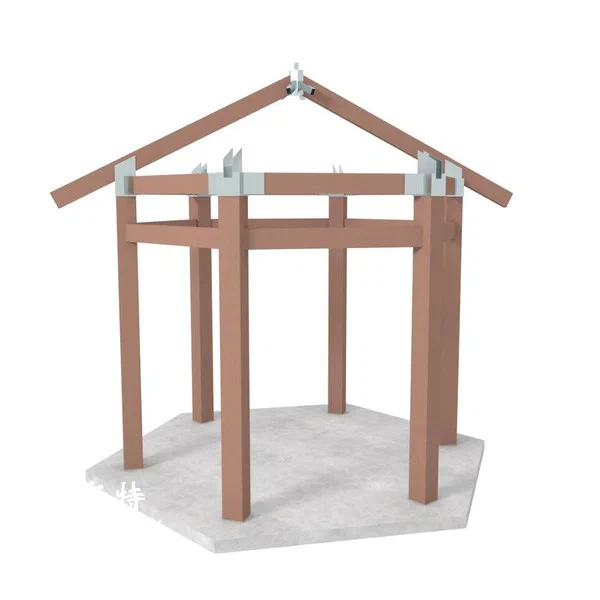
WPC wall panel advantages include stylish appearance, easy maintenance, and reliable outdoor performance, making them a practical choice for modern exterior design. Today’s buyers want products that look refined, handle weather well, and fit clean, modular installations across decks, fences, pergolas, gazebos, and landscape features.
Modern outdoor design is moving toward cleaner surfaces
In composite decking and wall systems, the strongest trend is a more architectural look. Narrow profiles, crisp shadow lines, and balanced proportions help outdoor areas feel organized rather than busy. For wall panels, 3d textures and fluted finishes add depth without needing extra decoration, while smooth or wood-grain surfaces suit projects that aim for a simple, premium appearance.
Color choice now plays a bigger role in design planning. Popular tones include charcoal, warm teak, smoke gray, and soft brown because they blend well with stone, metal, glass, and greenery. Darker colors create contrast for modern facades, while lighter shades help small patios, balconies, and garden walls feel brighter and more open.
Texture and profile improve both style and function
Texture is not only visual. Embossed and co-extrusion surfaces help hide minor dirt and wear, which is especially useful for outdoor wall cladding and decking. Deep grain finishes can reproduce the look of timber while keeping the low-maintenance advantage buyers expect from WPC. For commercial and residential projects alike, this means fewer cleaning worries and a more consistent finish over time.
Profiles are equally important. Tongue-and-groove, slatted, interlocking, and modular panel systems speed up installation and create a neat, continuous surface. On fences and pergolas, matching profile families across components helps the whole space feel coordinated. Designers often use the same material language for wall panels, screens, and planter surrounds to keep the landscape visually unified.

Modular design makes outdoor projects easier to build
Modular WPC products support faster installation, easier replacement, and simpler expansion. This matters for wall panels on large façades, fence systems along property lines, and pergolas or gazebos where repeatable parts save labor. In landscape applications, modular deck tiles, planter boxes, and privacy screens allow flexible layouts for different site sizes.
For outdoor spaces, this approach also improves long-term value. If one section needs maintenance or redesign, modular parts can be updated without changing the entire structure. That flexibility is one reason WPC continues to grow in modern exterior projects.
Reliable performance supports a polished look
Style only matters when the product performs outdoors. WPC wall panels and matching landscape products are chosen because they resist moisture, reduce surface upkeep, and hold their appearance in changing weather. When paired with coordinated decking, fences, pergolas, and gazebos, they create outdoor environments that feel designed, not assembled.
FAQ
Q: Why are WPC wall panels popular in modern exterior design? A: They combine a clean appearance with weather resistance and simple maintenance. That makes them suitable for both residential and commercial outdoor spaces.
Q: What design features make WPC products look more premium? A: Color matching, wood-grain or 3d textures, and slim modular profiles improve the overall finish. These details help decks, walls, and fences look more intentional and refined.
Q: Can the same style be used across different outdoor products? A: Yes, many projects use coordinated WPC panels, decking, fences, and pergolas. A consistent color and profile family creates a unified landscape design.
Related Articles
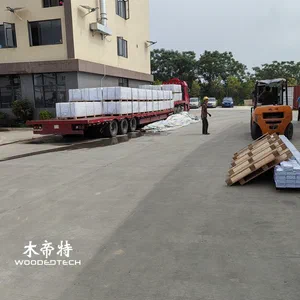 coffee composite decking creates warm outdoor spaces with elegant wood inspired colors
 Outdoor WPC panel offers versatile applications for exterior walls fences and landscape projects
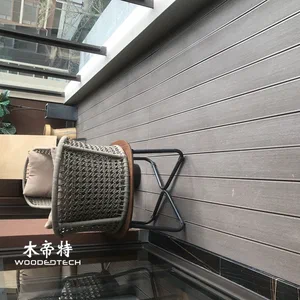 outdoor 3d wall panels create attractive textured walls with modern architectural appearance
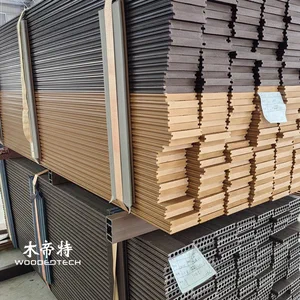 Weatherproof WPC Panel for Balcony & Outdoor Spaces
Related Products
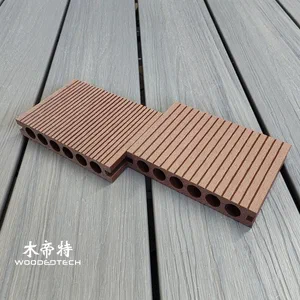 D14025-5 First Generation Large And Small Groove Redwood Color WPC Panel Material With Popular Outdoor Appearance
 B14011 WPC Paneling Sheets Feature Double Flat Surfaces with Heat Pressed Wood Grain Designs for Outdoor Styles
 B17010 Plastic Wood Look Siding Provides Decorative Thin Boards for Modern Outdoor Wall Applications