WPC Wall Fence for Modern Outdoor Privacy Protection and Durable Landscape Applications
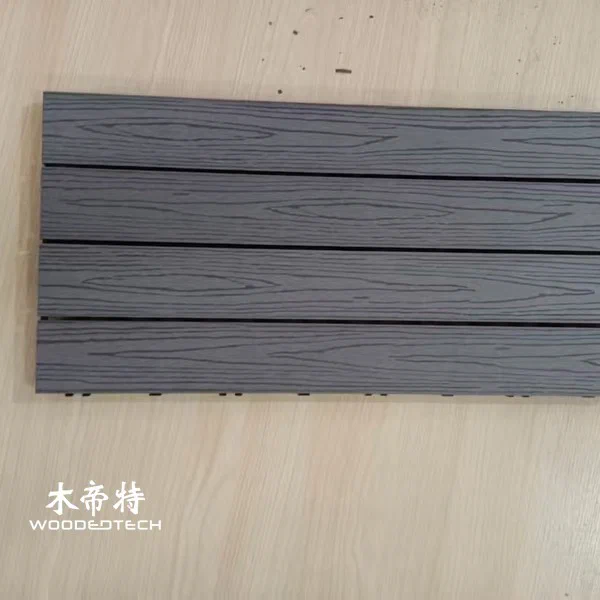
Designing high-performance wood plastic composite (WPC) formulas for outdoor applications such as wall fences requires a careful balance of various components. These include wood fiber content, plastic ratios, additives, cost control, and product lifespan. Each of these factors plays a crucial role in producing durable, aesthetically pleasing, and functional products that can withstand outdoor conditions.
Balancing Wood Fiber and Plastic Ratio
The ratio of wood fiber to plastic is fundamental in determining the performance characteristics of the WPC. Higher wood fiber content can enhance the natural appearance and improve eco-friendliness, but excessive fiber may lead to reduced durability and moisture resistance. Conversely, increasing the plastic content can enhance weather resistance and structural integrity but may compromise the natural look that many consumers desire. A typical balance might range from 40% to 70% wood fiber, ensuring adequate strength while maintaining aesthetic appeal.
Additives for Enhanced Performance
Additives play a significant role in enhancing the performance of WPC products. Common additives include UV stabilizers to protect against sun damage, anti-fungal agents to prevent mold and mildew growth, and colorants for aesthetic purposes. Incorporating these additives can increase production costs but is often necessary for ensuring a longer lifespan and better performance under outdoor conditions. For instance, using co-extrusion techniques can apply a protective layer over the WPC, improving durability without significantly affecting the overall cost.
Cost Control Measures
Cost control is essential in the formulation of WPC products, especially in a competitive market. Sourcing materials sustainably can help lower costs while appealing to environmentally-conscious consumers. Additionally, optimizing production processes to reduce waste and improve efficiency can contribute to overall cost reduction. Balancing high-quality materials with cost-effective manufacturing techniques is vital for maintaining profitability while delivering a high-performance product.
Product Lifespan Considerations
The lifespan of WPC products is heavily influenced by the formulation and design choices made during development. Products that are specifically designed for outdoor use, with appropriate ratios of wood to plastic, along with effective additives, can last significantly longer than traditional wood products. By focusing on factors such as moisture resistance, UV stability, and mechanical strength, manufacturers can create WPC wall fences that offer extended durability and lower maintenance requirements.

FAQ
Q: What is the ideal wood to plastic ratio for WPC wall fences?
A: A typical wood to plastic ratio for WPC wall fences ranges from 40% to 70% wood fiber, balancing aesthetics and durability.
Q: How do additives affect the performance of WPC products?
A: Additives like UV stabilizers and anti-fungal agents enhance the durability and longevity of WPC products, making them more suitable for outdoor use.
Q: What are some cost control measures when developing WPC formulations?
A: Cost control can be achieved through sustainable sourcing of materials and optimizing manufacturing processes to reduce waste and improve efficiency.
Related Articles
 Composite Vertical Cladding for Modern Exterior Walls and Long Lasting Outdoor Building Applications
 WPC Exterior Cladding for Durable Modern Building Facades Outdoor Walls and Architectural Applications
 WPC Exterior Panels for Attractive Outdoor Walls Building Facades and Exterior Cladding Applications
 Plastic Wood Composite Sheets Provide Versatile Materials For Outdoor Construction And Decoration
Related Products
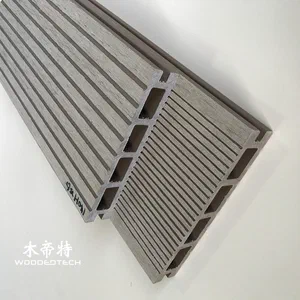 D14025-3 Composite Lumber for Decks Features a Classic Double Sided Groove Design with Excellent Value for Outdoor Projects
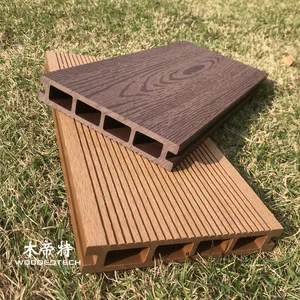 D14025-4 Composite for Decking Provides Stable Performance and Reliable Quality as a Popular Choice for Outdoor Projects
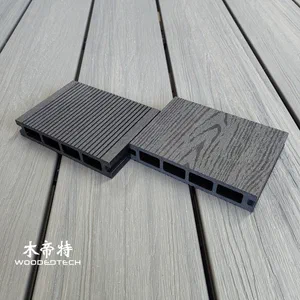 D14025-4 WPC Decking Boards Feature a Flat Wood Grain Surface with Black Ebony Heartwood Ring Grain for Outdoor Applications