
wpc wall cladding price philippines helps customers understand market costs for outdoor facade solutions

WPC wall cladding price in the Philippines is becoming a practical reference point for buyers comparing outdoor facade solutions across Asia, the Middle East, and Europe. As demand grows for low-maintenance exterior materials, pricing transparency helps contractors, developers, and distributors evaluate value against durability, installation speed, and design flexibility.
Global demand is shifting toward weather-resistant exterior systems
Composite decking, WPC wall cladding, fencing, pergolas, and landscape products are gaining share because they solve common problems in outdoor construction: moisture, fading, warping, and high upkeep. Buyers are no longer looking only at the lowest unit price; they want products that hold appearance and performance in humid, coastal, and high-UV climates.
In this context, the Philippines is a useful pricing benchmark. It sits in a market where import competition, local labor rates, and project scale all influence final cost. That makes searches such as WPC wall cladding price Philippines more than a local query; they reflect how buyers compare regional supply conditions before sourcing facade materials internationally.
What drives WPC pricing in outdoor applications
WPC product prices vary by construction, surface treatment, and application. For wall cladding, buyers usually compare:
- profile thickness and coverage area
- co-extrusion or capped surface protection
- color stability and texture finish
- installation system and accessories
- shipping, duty, and distributor margin
The same logic applies to composite decking, fencing, and pergolas. Higher-performance products often cost more upfront, but they reduce replacement cycles and maintenance spending. That is why many commercial projects now prefer integrated outdoor systems from one supplier instead of mixing multiple low-cost products.
Future opportunities in facade and landscape materials
The strongest growth opportunity is in coordinated exterior design packages. Developers want matching cladding, decking, screens, railings, and pergola components that create a consistent look across villas, resorts, commercial courtyards, and residential amenities. This opens the door for suppliers that offer custom colors, private label programs, and project-based fabrication.
Another opportunity is in climate-specific product development. Markets with heavy rain, salt air, or intense sun need better UV resistance, stronger fastening systems, and improved dimensional stability. Suppliers that can prove performance in these conditions will win more specification work from architects and project buyers.
Why price education supports better buying decisions
When buyers understand WPC wall cladding price in the Philippines, they can separate material cost from total project cost. A lower quotation may exclude trims, clips, freight, or waste allowance, while a well-structured offer shows the full installed value. This clarity is especially important for export buyers comparing suppliers across multiple countries.

For outdoor building materials, the future market belongs to products that combine realistic wood appearance, stable pricing, and dependable supply. Buyers want facade solutions that are easy to install, easy to maintain, and strong enough for long-term commercial use.
FAQ
Q: Why is WPC wall cladding price in the Philippines important for global buyers? A: It gives buyers a real market reference for comparing facade costs in a competitive Asian sourcing environment. It also helps them judge whether a supplier’s offer is aligned with regional material and logistics costs.
Q: What WPC products have the best future market potential? A: Co-extruded wall cladding, capped decking, modular fencing, and custom pergola systems are likely to grow fastest. These products answer the demand for durable, low-maintenance outdoor finishes.
Q: What should buyers check besides unit price? A: They should review surface protection, installation method, color retention, warranty, and shipping terms. Total project cost matters more than the material quote alone.
Related Articles
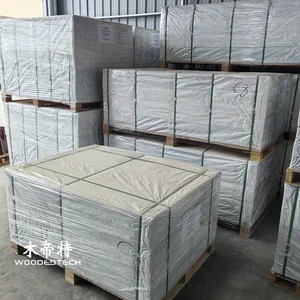 best composite decking 2022 offers popular outdoor flooring choices with proven market performance
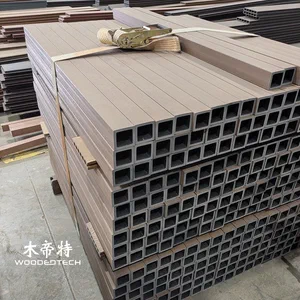 Composite decking instructions help installers complete outdoor flooring projects correctly
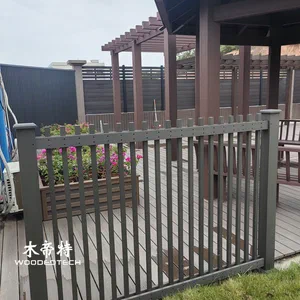 Composite decking spacing guidelines ensure proper installation and long term outdoor performance
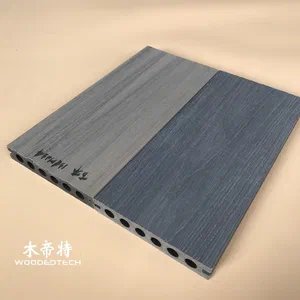 Joists for composite decking provide stable support systems for outdoor deck installation
Related Products
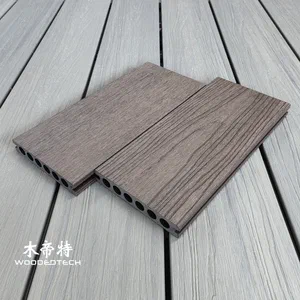 3DGD13823 Second Generation 3D Embossed Rosewood Composite Balcony Decking Delivers Ultra Realistic Wood Grain Texture and a Premium Natural Wood Experience
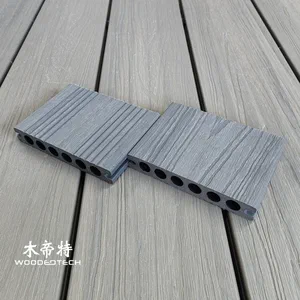 GD13823-3 Light Grey Premium Co Extrusion WPC Composite Decking Offers LG Texture and Excellent UV Resistance for Outdoor Spaces
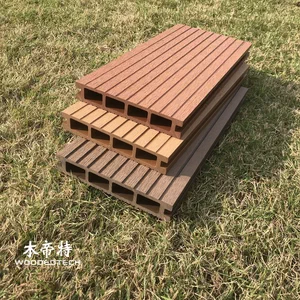 D14025-3 Square Hole Double Sided Grooved WPC Board Factory Producing Outdoor Decking Boards With Good Slip Resistance